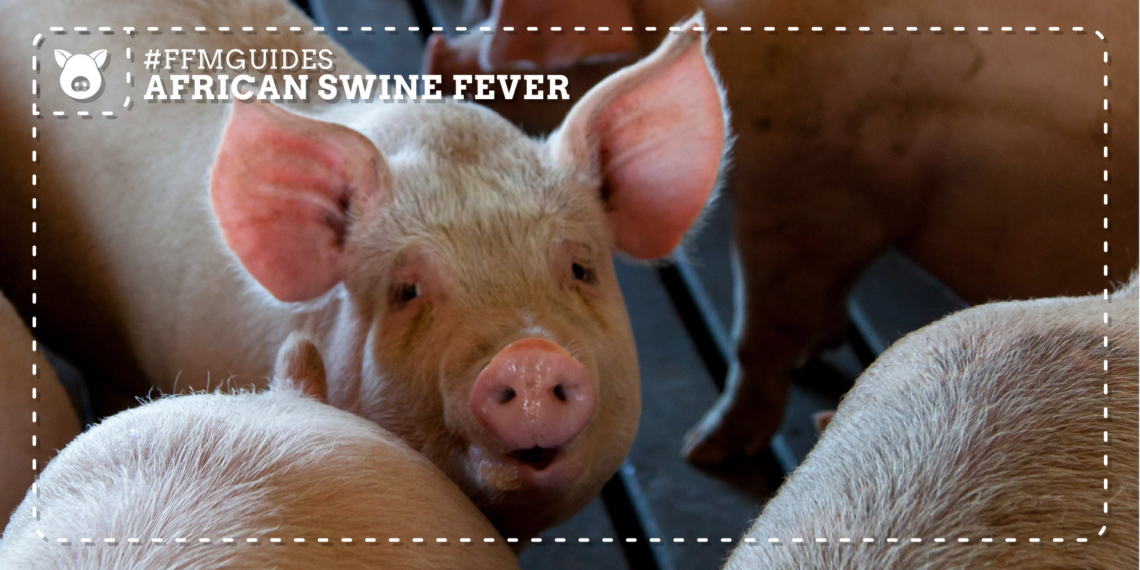
African swine fever (ASF) can enter a pig farm through animals, people, vehicles, equipment, feed, and contaminated materials. Once introduced, the virus can spread rapidly, causing severe losses for individual farmers and the wider pig industry.
For this reason, biosecurity should be part of everyday pig management, not something farmers introduce only when there is an active outbreak.
Animal health technician Kenneth Malatji and head of consumer assurance at the South African Pork Producers’ Organisation (Sappo), Thandi Chiappero, outline the key operational steps farmers must take to reduce the risk of ASF entering and spreading on their farms.
Isolating herds from potential infection sources
The primary step in biosecurity is preventing direct or indirect contact between your herd and potentially infected animals.
“Preventing contact between domestic pigs and wild pigs is very important,” Malatji says.
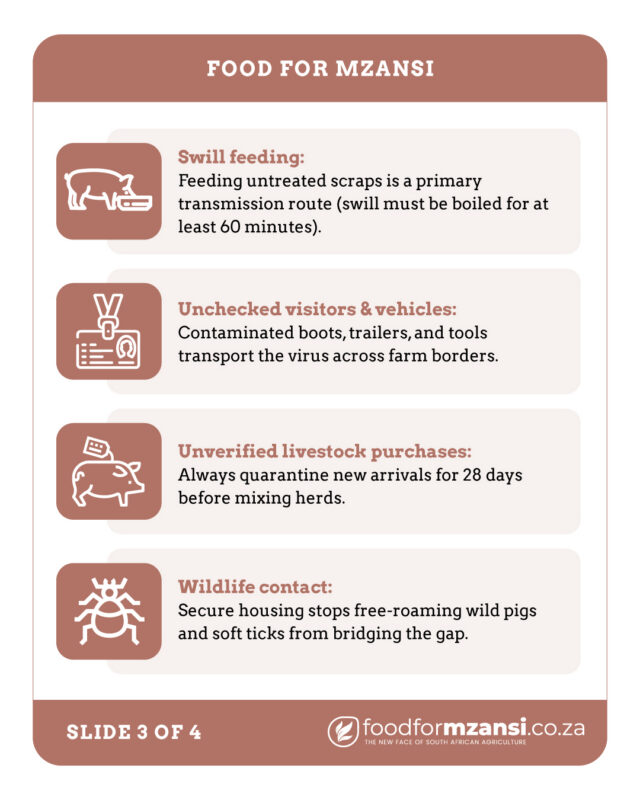
Chiappero advises farmers to keep pigs strictly isolated from wild suids, such as warthogs (Phacochoerus africanus) and bushpigs (Potamochoerus larvatus), using double-fencing and physical barriers.
Key herd protection measures include:
- Perimeter fencing: Erecting perimeter fences that are secured at ground level to stop wild suids from digging underneath.
- Zero roaming policy: Confining all domestic pigs within secure pens or housing units at all times.
- Buffer zones: Maintaining spatial separation between farm boundaries and neighbouring livestock pens.

Related stories
- ASF outbreak contained, but pig farmers urged to stay vigilant
- How SA pig farmers can adapt to swine fever’s shifting borders
- African swine fever: Why early reporting protects pig farmers
Sourcing stock through verified and traceable supply chains
Bringing new stock onto the farm presents one of the highest disease transmission risks to an otherwise healthy herd.
Malatji advises farmers to purchase animals exclusively from reputable, fully traceable suppliers.
“When pigs are purchased from unknown sources, it is often impossible to verify their health status, or even trace where they originate from,” he says.
Enforcing a mandatory quarantine period
Chiappero recommends that farmers assess the biosecurity status of the source farm and, where possible, inspect the facility before committing to a purchase. Avoid high-risk channels, including informal auctions or farms lacking structured health protocols, entirely.
Never assume a newly acquired animal is disease-free simply because it displays no visible symptoms.
“Quarantining, making sure that you quarantine your animals before you introduce them to the herd. Keep them aside, do observations before you introduce them.” Malatji says.
Newly purchased animals must be isolated in a dedicated facility for a minimum of 28 days. During this window, managers must monitor stock for critical symptoms:
- Appetite changes: Loss of feed interest or sudden lethargy.
- Thermal signs: High fever or reddening of the skin (especially around ears and abdomen).
- Gastrointestinal distress: Diarrhoea, vomiting, or respiratory distress.
- Reproductive issues: Unexplained abortions in pregnant sows.
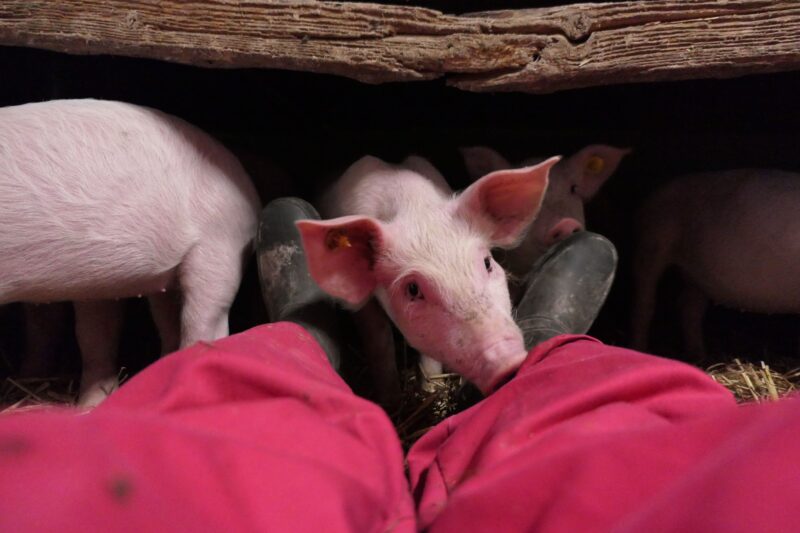
The quarantine unit must be managed with separate equipment, boots, and feeding gear to avoid cross-contaminating the primary herd units.
Managing farm access and movement controls
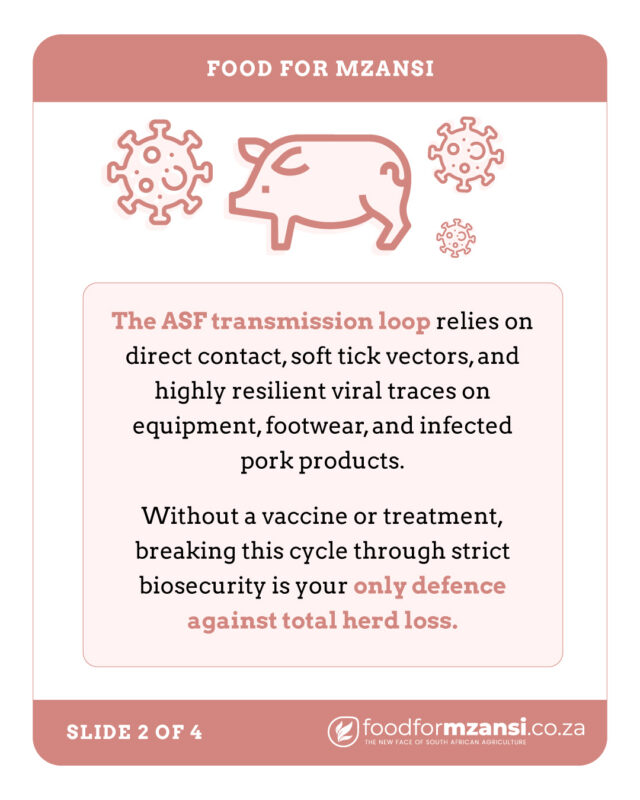
Humans act as primary mechanical vectors for ASF by carrying viral particles on footwear, clothing, hands, and equipment.
“People are often one of the biggest risk factors in disease spread,” says Malatji. “A visitor may unknowingly carry contaminated material from one farm to another.”
Rigid access protocols must be applied to all visitors, staff, and contractors:
- Visitor registries: Documenting all site entries, including dates and previous farm visits within the last 48 hours.
- Access restriction: Restricting entry to essential personnel only.
- Dedicated workwear: Requiring staff and visitors to wear farm-specific overalls and boots before entering animal units.
Applying two-step cleaning and disinfection protocols
Anything that moves between agricultural sites can carry viral loads. However, applying chemicals directly over dirt renders them ineffective.
“The most important step is to remove all solid organic material before using disinfectants. No disinfectant can clean the virus out of a lump of mud or faeces,” Chiappero says.
Proper sanitation requires a mandatory two-step sequence:
- Mix registered virucidal disinfectants strictly according to manufacturer specifications.
- Allow the product to meet the required wet contact time (10 minutes to 30 minutes depending on product specification).
Allow cleaned equipment and transport trailers to dry thoroughly in direct sunlight before reuse.
Eliminating risk from untreated swill feeding
Feeding untreated food waste, kitchen scraps, or catering waste containing pork products is one of the most common causes of ASF outbreaks globally. The virus can survive for long periods in fresh, frozen, or cured pork products.
Chiappero advises farmers never to feed untreated swill to pigs, emphasising compliance with the Animal Diseases Act, 1984 (Act No. 35 of 1984).
Malatji adds that farm workers must be prohibited from bringing outside pork products into animal housing areas for personal consumption, preventing accidental exposure through discarded scraps.
Daily herd monitoring and early reporting
Routine observation remains the most effective tool for early disease identification.
“Farmers know their animals better than anyone else,” says Malatji. “Often the first signs of something being wrong, they can simply pick it up from the beginning.”
If ASF is suspected:
- Halt movements: Stop all pig, vehicle, and equipment movements on and off the farm immediately.
- Isolate affected units: Restrict movement between individual pig houses.
- Notify state authorities: Contact the local state veterinarian immediately.
“Immediately report ASF to the local state veterinarian. Reporting a disease suspicion is not admitting guilt. In fact, it is demonstrating responsibility and protecting neighbouring farmers and the wider industry,” Chiappero says.
Executive biosecurity checklist for pig producers
To maintain everyday defence against viral entry, implement this core operational checklist:
- Traceable purchases: Source pigs exclusively from verified, biosecure suppliers.
- 28-day quarantine: Isolate all incoming stock in a separate facility before integration.
- Access control: Log all visitors and enforce dedicated clothing and footwear policies.
- Clean before disinfecting: Scrub away organic matter before applying virucidal chemicals.
- Zero-swill feeding: Prohibit kitchen scraps and feed legally approved commercial rations.
- Secure boundaries: Maintain pig-proof fencing to exclude wild suids (Phacochoerus africanus).
- Daily inspection: Check herds daily for fever, skin lesions, or sudden mortality.
- Immediate reporting: Lock down the farm and contact the state vet at the first sign of suspicion.
As Malatji emphasises: “You are the first and the most important line of defence against African swine fever.”
Don’t miss this article from our African swine fever series:
READ NEXT: Under siege: Women in farming demand action amid rising violence