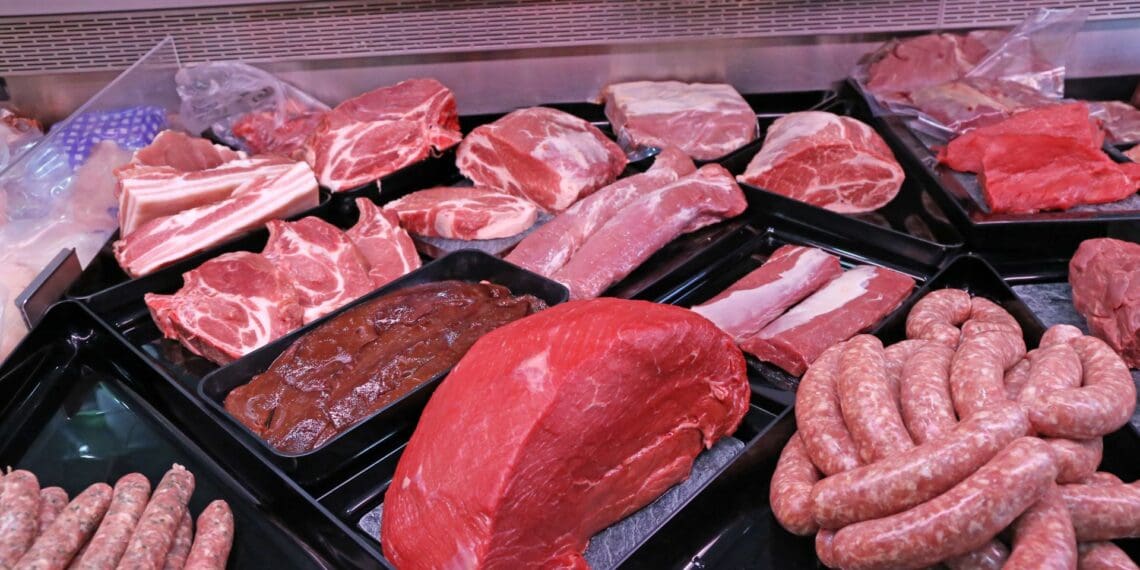
Meat is back in the spotlight, and not in a good way. South Africa’s grocery bills are climbing again, with meat prices soaring and driving food inflation to a 15-month high.
According to Paul Makube, senior agricultural economist at FNB Commercial, food inflation reached 4.7% year-on-year in June 2025, with meat leading the charge at 6.6% – its highest in over two years.
“Meat was the biggest driver of food inflation,” he said, noting a 2.2% month-on-month increase just in June.
So, what’s behind the meat madness?
Makube explains it’s mostly about supply constraints, especially from outbreaks of foot-and-mouth disease (FMD) in parts of the country.
“The FMD outbreak created a short supply crunch due to the inability to slaughter livestock, mainly cattle,” he said. Less meat on the market = higher prices.
Related stories
- Field to Future: Red meat industry launches unified 2030 vision
- Why red meat producers can’t afford to ignore sustainability
- Biosecurity threats push meat industry to the brink
It didn’t help that Brazilian chicken imports were banned earlier this year due to a bird flu scare. Brazil is a big player in supplying mechanically deboned meat (MDM), a key ingredient in products like polony. “South Africa is a net importer of MDM due to lack of domestic capacity,” Makube added.

Some relief in sight
While meat prices have been climbing for months, there’s a glimmer of hope. The government has partially lifted the ban on Brazilian chicken, which could help ease pressure on processed meat prices soon.
Meanwhile, FMD outbreaks are still causing headaches with new cases reported in the Free State and ongoing issues in KwaZulu-Natal. But, said Makube, “slaughtering has resumed in major feedlots with producer prices already ‘off the boil’ early in July 2025.”
What about other food prices?
Meat might be the villain of the month, but overall food inflation is also creeping up.
Makube said food prices rose to 3% year-on-year in June, slightly up from May’s 2.8%. However, fruit and nut prices actually dropped, helping slow monthly inflation from 1.2% in May to 0.7% in June.
The food and non-alcoholic beverages category also saw an increase to 5.1% year-on-year in June, up by 0.3 percentage points from May.
Makube says there are some signs that food inflation could cool down in the coming months. A stronger rand, global grain surpluses (with stocks topping 586 million tons), and low crude oil prices could all help keep food costs in check.
Also, if the FMD situation improves, more livestock could be slaughtered, increasing supply and easing meat prices further.
So, while meat is currently pushing up your grocery bill, there’s hope that the worst could be behind us – if everything goes just right.
READ NEXT: Carnivore craze: Is risky meat-only diet worth the hype?