Behind every cut of meat is a story of farmers, veterinarians, and inspectors working to protect your health. In this article, powered by RPO, Dr Shayna Louw explains the hidden systems that keep meat free from harmful bacteria and residues.
When you pick up meat from the supermarket or butchery, do you ever stop to wonder about the process that ensures it’s safe for your family to eat? How confident are you that the steak or chop on your dinner plate has been through rigorous checks before reaching your home?
Dr Shayna Louw, a veterinary public health veterinarian at the Red Meat Abattoir Association, says meat safety goes far beyond appearance or taste.
“Meat safety refers to the measures that are taken to ensure that the meat you consume is wholesome and fit for human consumption. That means it’s free from harmful bacteria, parasites, chemical residues, and other contaminants that could lead to foodborne illness,” she explains.
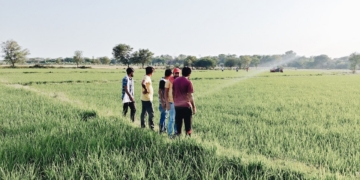
The journey of safe meat begins on the farm. Farmers play a vital role by vaccinating their animals, ensuring regular veterinary care, and providing clean feed and water. Stress-free livestock is just as important because stress affects meat quality. Farmers must also observe withdrawal periods after treating animals with medication, allowing time for residues to clear before slaughter.
According to Louw, “If the withdrawal period isn’t respected, residues can remain in the meat. That’s why routine testing is so important – it ensures that what ends up on your plate is safe.”
How meat safety is enforced
Once animals arrive at the abattoir, strict controls take over. The South African abattoir industry is regulated by the Meat Safety Act of 2000 and its associated regulations, which enforce national standards to guarantee both quality and safety. Every abattoir must implement a hygiene management system.
This covers everything from inspecting animals before slaughter, checking carcasses and organs during processing, to testing for substances such as antibiotics, heavy metals, and pesticides. Cleaning and sanitation programmes are also mandatory.
Oversight comes from independent assignees authorised by the department of agriculture, who include veterinarians, meat inspectors, and examiners. As Louw notes, “Their job is to make sure that every carcass is inspected, approved, and safe for human consumption.”
Even with all these safeguards, consumers still have a role to play once meat reaches retail shelves. Louw advises buying only from reputable stores and butcheries that are certified to handle meat products. Carcasses approved at the abattoir carry a clear inspection stamp, which is visible on packaged cuts.
She also stresses the importance of checking the integrity of the cold chain. If a fridge or freezer is not functioning properly, the risk of bacterial growth increases. Clean store environments, sealed packaging without odours or leaks, and paying attention to expiry dates are all part of making smart choices.
Related stories
- Why red meat producers can’t afford to ignore sustainability
- Debunking myths: The nutritional power of red meat
- South African red meat keeps rural economies alive and growing
Meat safety myths
At home, many people mistakenly believe that washing raw meat before cooking makes it safer.
Louw is firm on this point: “Washing is not recommended. In fact, it can spread bacteria from the meat onto kitchen surfaces, utensils, or other foods. In abattoirs, contamination is trimmed off, never washed away.”
She also warns against relying on smell or colour alone to judge whether meat is safe to eat. Some harmful bacteria do not affect appearance or odour, and pink juices in cooked meat are not proof that it is underdone. A food thermometer is the most reliable way to check.
Another misconception is that leaving meat out for a few hours is harmless. In South Africa’s warm climate, this can be dangerous, as bacteria thrive at room temperature. Meat should always be stored in the refrigerator or freezer and defrosted in a controlled, cold environment.
Consumers should also avoid cross-contamination by using separate cutting boards and knives for meat and vegetables.
If in doubt, throw it out
Louw emphasises that when meat comes from a regulated abattoir, consumers can already have confidence in its safety.
Still, safe handling at home is critical. Her advice is simple yet powerful: “If in doubt, throw it out. Your safety starts with smart choices – from where you source your meat, to how you store and prepare it at home.”
Behind every chop, steak, or roast is a system designed to protect public health. Farmers, abattoirs, and regulators each play their part, but ultimately, consumers hold the final responsibility.
By making informed choices and following safe practices in the kitchen, we can enjoy meat with confidence, knowing it has been safeguarded every step of the way.

READ NEXT: The South African red meat story consumers need to know