This article, in partnership with the Red Meat Producers’ Organisation (RPO), addresses common misconceptions about its health, ethical, and environmental impact.
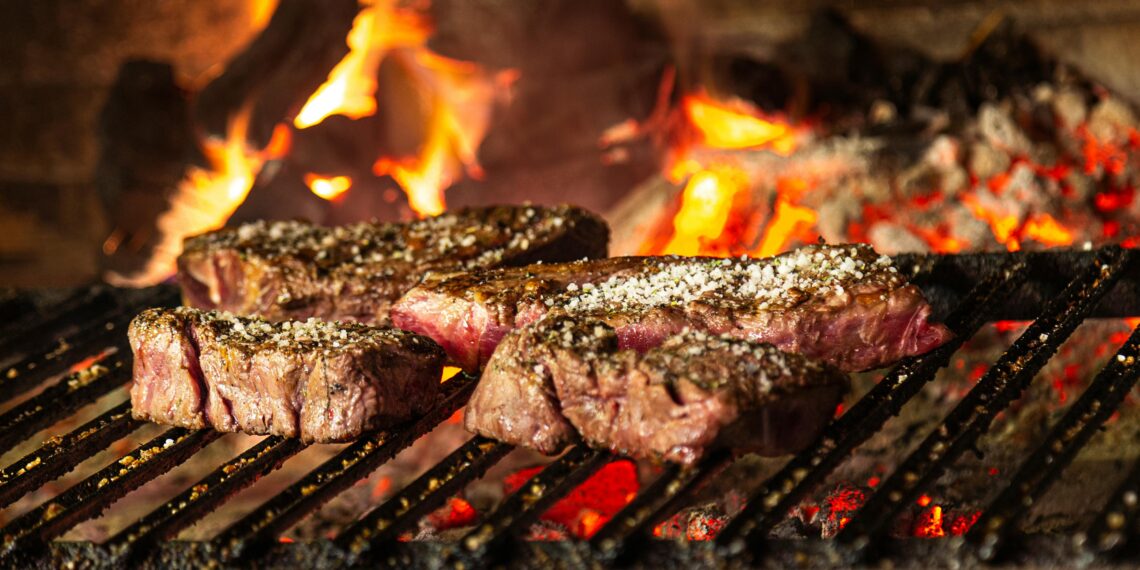
For generations, red meat has been at the heart of South African culture, from Sunday braais to hearty family meals. Yet, in recent years, it has come under fire, with claims that it’s harmful to health, unethical, and bad for the environment.
These views, largely shaped by trends in high-income urban centres, ignore both the science and the reality of balanced nutrition.
According to Red Meat Industry Services (RMIS) project manager Marina Fourie, “South Africans aren’t just sentimental about red meat – they also recognise its benefits for their health.”
So, is red meat really as bad as some claim, or is it time to set the record straight? Let’s debunk some of the biggest misconceptions and explore why red meat remains an essential part of a healthy, sustainable diet.
Media and moral vegetarianism
Mass media often perpetuates oversimplified narratives through sensationalism and distorted interpretations of scientific evidence. This contributes to the scrutiny of red meat despite its nutritional benefits.
According to Aleph (Animal-sourced food and livestock, ethics, planet and health), moral vegetarianism is sometimes influenced by societal anxieties and status concerns, with dietary choices serving as expressions of virtue signalling or political activism.
While ethical concerns regarding industrial-scale farming persist, the role of meat in human diets should be evaluated based on scientific evidence rather than ideological stances.
“As the South African Red Meat Industry, we’re committed to educating consumers through Beef and Lamb SA – the official consumer education initiative – on the role of red meat in a balanced diet that includes all food groups. Our approach is rooted in scientific facts and tailored to the unique context of the South African population,” says Fourie.
Aleph acknowledges that both livestock and crop production practices present sustainability challenges, but integrating animals and crops into sustainable food systems is the ideal approach.
The claim that red meat consumption is inherently harmful is not only counter-intuitive but also often based on misinterpreted or out-of-context scientific data.
Debunking the myths
A study by Canada Beef found that consuming more than three and a half servings of red meat per week does not increase low-density lipoprotein (LDL) cholesterol, blood pressure, or other cardiovascular risk factors.
Red meat intake of more than half a serving per day had no negative impact on lipid profiles, including total cholesterol, triglycerides, and high-density lipoprotein (HDL) ratios. Even at three servings per day, no adverse effects on LDL cholesterol or blood pressure were observed.
“Through our social media platforms and consumer insight studies, we’ve seen an overwhelmingly positive response to educational content about red meat. However, we always encourage consumers to consult healthcare professionals regarding dietary-related conditions rather than relying on studies conducted in different populations with varying predispositions and circumstances,” says Fourie.
Related stories
- The South African red meat story consumers need to know
- Red meat industry battles stock theft, disease, and high costs
Nutritional benefits of red meat
According to a study titled “The contribution of red meat to adult nutrition and health beyond protein”, red meat is a nutrient-dense food providing high-quality protein, iron, vitamin B12, zinc, and omega-3 fatty acids. Its bioavailability advantage ensures better absorption of iron and zinc compared to plant-based sources, making it particularly important for individuals at risk of micronutrient deficiencies.
The study highlights that red meat supports muscle maintenance and protein synthesis, particularly in older adults, reducing the risk of sarcopenia.
While some observational studies link high processed meat intake with colorectal cancer, unprocessed red meat has a much weaker association with chronic diseases.
The study further warns that an increasing shift toward plant-based diets raises concerns about nutrient deficiencies, as avoiding red meat can lead to inadequate iron and B12 levels, weakened immune function, muscle loss, and a higher risk of bone fractures, particularly among women of childbearing age and the elderly.
Fourie notes, “Following a vegan or vegetarian diet while meeting basic nutritional needs – without relying on preservatives and high sodium levels – can still be challenging, especially on a limited budget, even with the growing availability of plant-based alternatives. Fresh red meat remains unmatched in nutrient density and bioavailability.”
Additionally, she explains that lab-grown meat is designed to be a nutritional alternative in areas where farming is difficult. However, challenges with taste, production, and consumer acceptance limit its success.
Red meat consumption and longevity
A worldwide cross-sectional analysis by Canada Beef covering 175 countries and approximately 90% of the global population found a strong positive correlation between meat consumption and longevity.
The study controlled for factors such as calorie intake, obesity, wealth, and education, confirming that higher meat intake is associated with greater life expectancy. Notably, in countries following a Mediterranean diet, life expectancy was higher when meat consumption was greater.
In another study by Canada Beef, a randomised trial comparing muscle protein synthesis rates in adults (65-85 years) found that a meal containing beef led to significantly higher muscle-building effects than a vegan meal matched for protein and calories.
Red meat’s role in addressing malnutrition in SA
The National Food and Nutrition Security Survey (2024) highlights that many South Africans consume nutrient-poor diets, lacking diversity and essential micronutrients, which exacerbates both undernutrition and obesity.
The report underscores the importance of nutrient-dense foods like red meat, which provides essential nutrients such as iron, vitamin B12, and high-quality protein, making it a valuable dietary component in addressing malnutrition and supporting overall health.
“Beef and Lamb SA provides valuable guidance on all things red meat, from selecting the best cuts and understanding labels to confidently cooking dishes that may have once seemed intimidating.
“We also place great value on collaborating with the South African food community, actively supporting and empowering the local food media fraternity to become informed advocates for healthy meat consumption,” says Fourie.
- This story is part of a special series in partnership with the Red Meat Producers’ Organisation (RPO) – a tribute to the farmers feeding our nation, one meal at a time.

READ NEXT: Limpopo farmers’ day breaks barriers with training in Sepedi
Sign up for Mzansi Today: Your daily take on the news and happenings from the agriculture value chain.