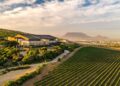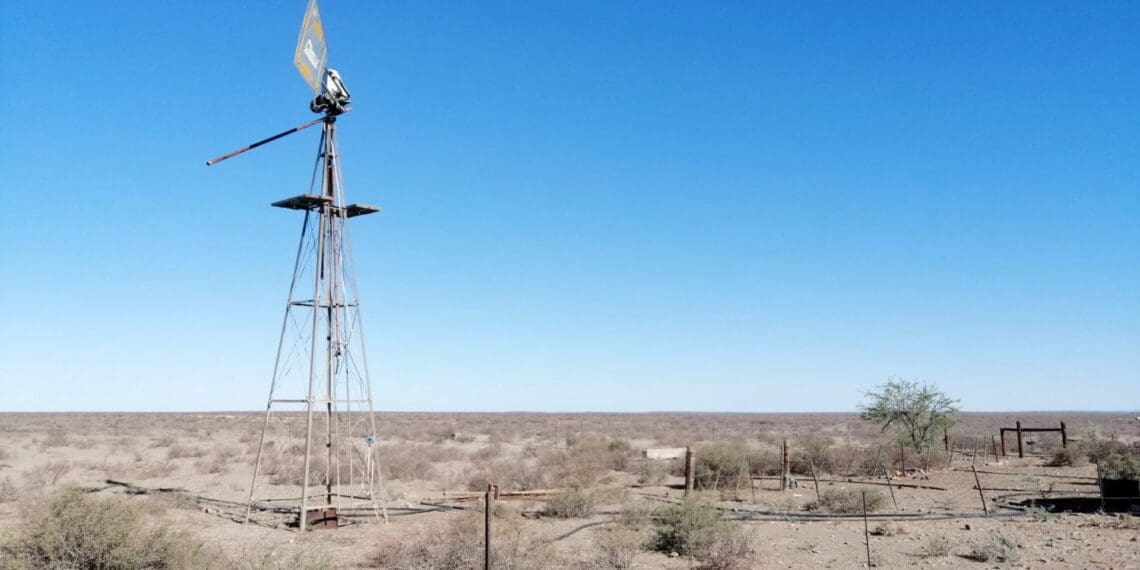
Hidden behind the spectacular mountain views and brilliant carpets of flowers in the Namakwa District Municipality, in the Northern Cape, are struggling farmers who have lost hope in agricultural production, one of the region’s primary sectors.
The Namakwa is a seemingly arid, semi-desert region where agricultural commodities such as small stock, lucerne, vegetables, and grapes are farmed.
Farmers here have been crippled by drought. Even after recent heavy rains, the region remains dry, forcing farmers to opt out, losing their only source of income.
‘It’s not getting any better’
“We’re not going to survive,” livestock farmer Joseph Jass in Paulshoek, Kammiesberg told Food For Mzansi.
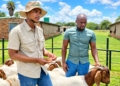
Jass farms with goats, sheep, and cattle on five hectares. The severe drought has led to fodder shortages, and on top of that, boreholes are unusable.
This year, lambing season was a complete failure, Jass said.
“To add to our challenges, there is a shortage of water tanks for farmers to store their water, so we are working from hand to mouth. Farming here is not sustainable.”
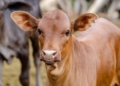
Jass said without rain, struggling farmers have to buy feed for their livestock with the little money that they have. Those who do not have cash, end up selling their livestock for low prices or lose their livestock to death.
“The level of farming will certainly drop in the years to come. The non-availability of water and the lack of rain is having a massive impact on us,” Jass explained.

Farmers are losing hope
Hans Gustav, a livestock farmer from Richtersveld, said it has been like this for the past 30 years and he has had enough. The constant stress and doubt have affected his health as well.
“I am tired of struggling while I regard myself as a farmer,” he said. “We also suffer with resources and infrastructure we do not have. The fencing for our farms, everything is broken. I am poor because some of my livestock was stolen. We reached out to the government, however, there has not been any feedback.”
ALSO READ:MEC Manopole vows to appease NC farmers
Government support seriously lacking
Gustav is not alone, many farmers have complained about a lack of support from the Northern Cape department of agriculture. Some farmers say they have not received any assistance from government in the last five years.
“We call on the government to come and see for themselves the state of our farming operations,” Gustav said.
“The only way agriculture and farming can survive is through intensive support from the government.”
Food For Mzansi reached out to the Northern Cape department of agriculture, land reform and rural development to find out what strategy they have in place to support farmers in the drought-stricken Namakwa region.
Department spokesperson MacDonald Silingile said the government would visit the Namakwa area in the coming week. He said an update will be released on the status of the farming in the region.
Intervention proposals
National African Farmers Union Northern Cape president Abi Messelaar said to save the little farming operations that are taking place in the Karoo, there is a serious need for intervention.
“There was a recent flood that washed away the last grass that was coming up, which then means that livestock have nothing to eat,” he explained. “At one point, the Karee Dam in Calvinia reached day zero at the end of February 2022, so the situation is dire.”
ALSO READ: Manopole gives biggest budget slice to farmer support
In a draft version of the Namakwa District Municipality’s Vulnerability Assessment and Climate Change Response Plan, the government is aware that climate change could exacerbate this problem in the district’s agricultural sector and has proposed several priority responses.
The proposed priority responses in the agriculture sector are:
- Provide solar panels for the use of borehole water.
- Assist farmers to implement soil erosion mitigation measures.
- Develop education and awareness campaigns directed at small-scale and commercial farmers.
Sign up for Mzansi Today: Your daily take on the news and happenings from the agriculture value chain.