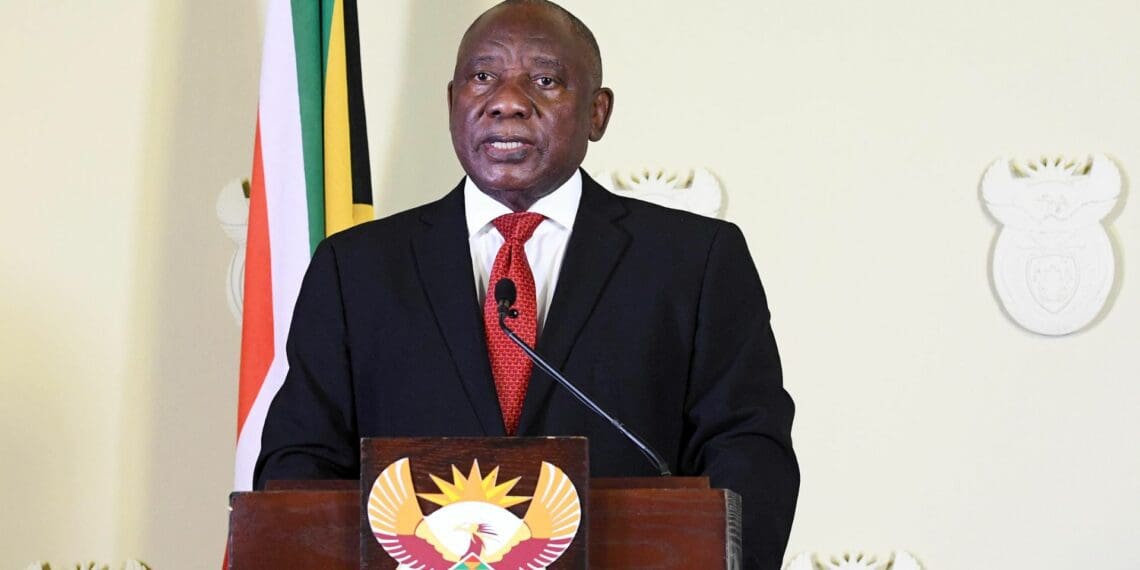
In response to US President Donald Trump’s invitation for South African farmers to emigrate to the United States, President Cyril Ramaphosa emphasised that it is in the interests of all South Africans that the country has a representative and inclusive agricultural sector.
Trump has said the South African government was “confiscating” land following Ramaphosa’s signing of the Expropriation Act in January.
In his weekly message to the nation, Ramaphosa said the country cannot talk about sustainable agriculture in South Africa without addressing issues of equity and inclusion in farming and land ownership.
Agriculture drives economic growth
“Transformation remains a challenge in agriculture, our growth agenda must therefore have a bias towards the empowerment of black farmers.
“The inclusion of black farmers in commercial agriculture necessitates that land is made available to them. The ongoing land reform process and release of government land will continue to benefit emerging farmers and ensure that they too add to the growth of South Africa’s farming economy,” he said.
He noted that the farming sector is vital to the country’s growth agenda, and has shown resilience in the past and would likely continue along this encouraging and promising path. “It will therefore be critical that the sector embraces the onward march of transformation.”
Related stories
- Ramaphosa signs controversial Expropriation Bill into law
- Expropriation Act fires up debate as legal battles loom
The president said the structural reforms that started during the sixth administration are progressing towards addressing the port and rail challenges.
“Several road transport and bulk water infrastructure projects are underway that will boost the growth of agriculture. Agriculture, like other sectors, is affected by municipal service delivery challenges, and by the poor state of key infrastructure such as roads, rail and ports. This constrains the delivery of agricultural goods to markets,” he explained.
Ramaphosa said more work needs to be done as the industry remains ripe for investment because of its recognised growth prospects. In addition, the revenue the state collects from agriculture enables the government to provide services that improve the lives of citizens.
Master plans the first step
“The health and growth of our farming sector is vital to supporting small towns and keeping rural South Africa vibrant. Given the critical role of agriculture in our national life, government is working with all stakeholders to ensure the survival, sustainability and growth of this sector.
“In collaboration with partners in the industry, we are undertaking growth-enhancing measures such as the sectoral master plans. The Poultry and Sugar Master Plans were the first steps, culminating in the Agriculture and Agro-processing Master Plan that was signed by organised agriculture and other partners in 2022,” he said.
Ramaphosa emphasised that as this labour-intensive sector expands, more work opportunities will be created in the most vulnerable areas of the country, particularly rural areas.
“Agriculture is one of the most important sectors in our economy. The goods and services produced across the agricultural value chain underpin our country’s food security and account for a significant portion of South Africa’s exports,” he said.
READ NEXT: SA’s agriculture sector bounces back after tough 2024
Sign up for Mzansi Today: Your daily take on the news and happenings from the agriculture value chain.