How can one small seed transform South Africa’s future of food? Grown by local farmers and processed by Southern Oil (SOILL), canola strengthens grain systems, lowers carbon emissions, and produces nutrient-rich feed. Through B-well, this versatile, heart-healthy ingredient turns local agricultural resources into everyday kitchen staples.
What if one small seed could support grain farming, supply an everyday cooking oil and provide protein for animal feed?
The future of food is not only about what still needs to be invented. It is also about using the crops already grown and processed in South Africa more effectively, creating greater value from local agricultural resources.
That is the canola story.
Rooted in SA: Building soil health and farm resilience
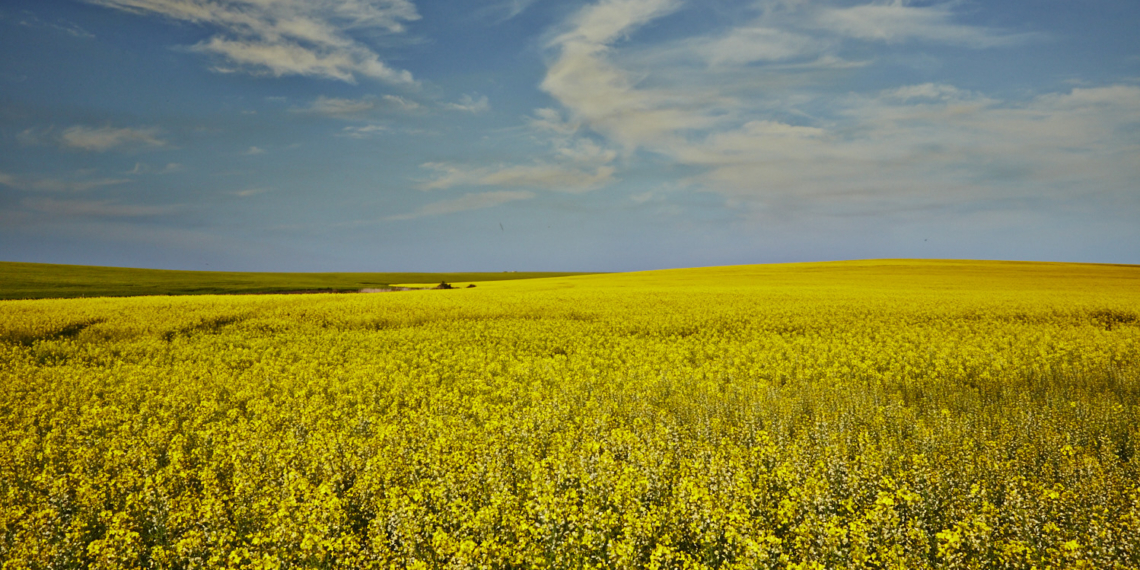
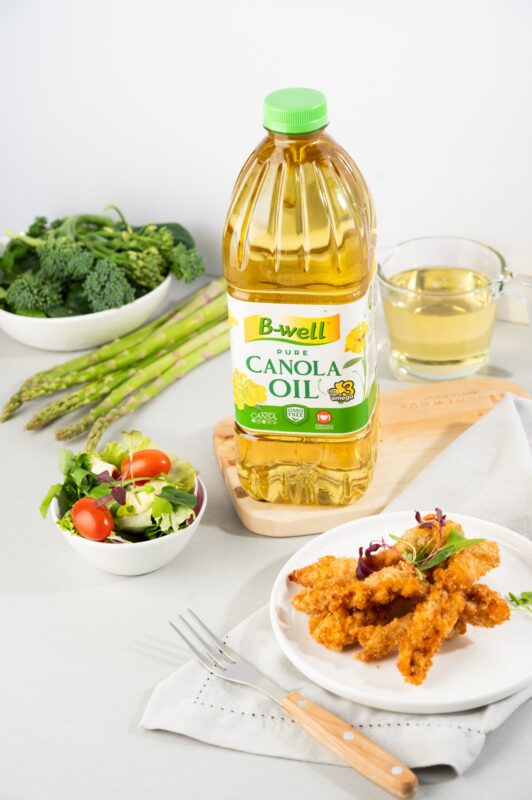
Often recognised only as the name on a bottle of oil, canola is part of a much broader home-grown value chain. B-well Canola Oil is made from 100% South African, GMO-free canola seed grown by local farmers and processed by Southern Oil (SOILL) in Swellendam. From farms in the Western Cape to kitchens across the country, it connects farmers, processors, food producers, retailers and consumers.
For grain farmers, canola plays an important role within the wider farming system. Instead of planting cereal crops continuously, farmers grow canola in rotation with crops such as wheat and barley.
As a break crop, canola assists with the management of certain weeds and crop diseases and improves subsequent wheat yields. This contributes to a more diverse and resilient cropping system. Where conservation-agriculture practices have improved soil health and nutrient cycling, the rotation can also support more efficient fertiliser use.
Related stories
- Southern Oil digs deep into the opportunities in canola farming
- SA’s canola boom sparks investment and processing opportunities
- Cook once, eat twice: Smart kitchen habits for budget winter meals
Circular advantage: From pure extraction to zero-waste feed
After harvesting, the canola seed is graded, stored and transported for processing. At Southern Oil (SOILL), the seed is cleaned and crushed to separate the oil from the remaining material.
Approximately 42% to 44% of the seed is extracted as oil. The remaining portion is processed into canola meal, a protein-rich ingredient used in animal feed, including dairy and poultry feed. In this way, one seed contributes to both food production and animal agriculture.
Together, these outputs create a circular local value chain. Oil moves into products for consumers, while the protein-rich meal returns to agriculture through animal feed. Making productive use of both streams helps reduce waste and keeps value moving between local farming and food production.
This is what sustainably sourced means in the B-well canola story. It is not simply a claim that the seed is local. It reflects a combination of connected practices and outcomes:
- Seed is grown by established South African farmers.
- Canola is incorporated into crop-rotation systems that support the broader grain-production system.
- The local supply chain provides a shorter and more traceable route from farm to processor.
- Processing takes place in South Africa, reducing the need for international transport.
- Both major outputs from the seed are used productively, helping to minimise waste and maximise the value of the crop.
The environmental benefit of local production should also be emphasised. The shorter, more traceable route helps reduce transport-related emissions compared with oils imported into South Africa from international origins. Local sourcing furthermore offers a clear logistical advantage by shortening the journey from agricultural production to processing and market.
Because canola seed is grown and processed locally, agricultural and manufacturing value therefore remains in South Africa.
Morné Botes, commercial director at SOILL, says, “Canola shows what becomes possible when local agriculture and processing work as one system: a single crop can strengthen farming rotations, supply a locally made food ingredient and return valuable protein to the agricultural value chain.”
The extracted oil is ultimately refined and used in cooking oils, mayonnaise, sauces and dressings. Canola oil is naturally cholesterol-free, very high in plant-based omega-3 and has an omega-6 to omega-3 ratio of approximately 2:1.
B-well, a food brand created by Southern Oil, brings this canola story into South African kitchens. Through products such as B-well Canola Oil and canola-based mayonnaise, the brand gives consumers practical ways to include canola in familiar, everyday meals.
Heart-healthy quality from farm to table
B-well Canola Oil is endorsed by the Heart and Stroke Foundation South Africa and has received the Cansa Smart Choice Seal of Recognition. The Cansa seal is awarded to products that meet its evidence-based nutritional criteria within a defined food category. These independent recognitions support the product’s nutritional credentials and help consumers identify it as an informed everyday cooking oil choice.
Canola oil also has a neutral taste, allowing the flavour of the food to remain the focus. Its versatility makes it suitable for frying, roasting, baking, marinades and salad dressings.
The South African Future of Food Conference brings together the people who grow, make, move, sell, regulate and buy food. Canola belongs in this conversation because its journey connects each part of that system.
From a home-grown seed in the Western Cape to food products and animal feed, canola shows how South African agriculture and local processing can create more value from one crop – supporting farms, feeding people and returning protein to agriculture.
READ NEXT: Agoa extension offers relief, but SA agri needs long-term certainty