Friday, May 22, 2026
SUBSCRIBE
21 GLOBAL MEDIA AWARDS
Food For Mzansi
  • News
  • Changemakers
  • Lifestyle
  • Farmer’s Inside Track
  • Food for Thought
No Result
View All Result
  • News
  • Changemakers
  • Lifestyle
  • Farmer’s Inside Track
  • Food for Thought
No Result
View All Result
Food For Mzansi
No Result
View All Result
in Lifestyle

Stokvels save the day for families and farmers

Stokvels are a financial lifeline for many South African families, especially during the festive season. By pooling resources and buying in bulk, members can save money on groceries and other essentials. And farmers can benefit too

by Vateka Halile
12th December 2024
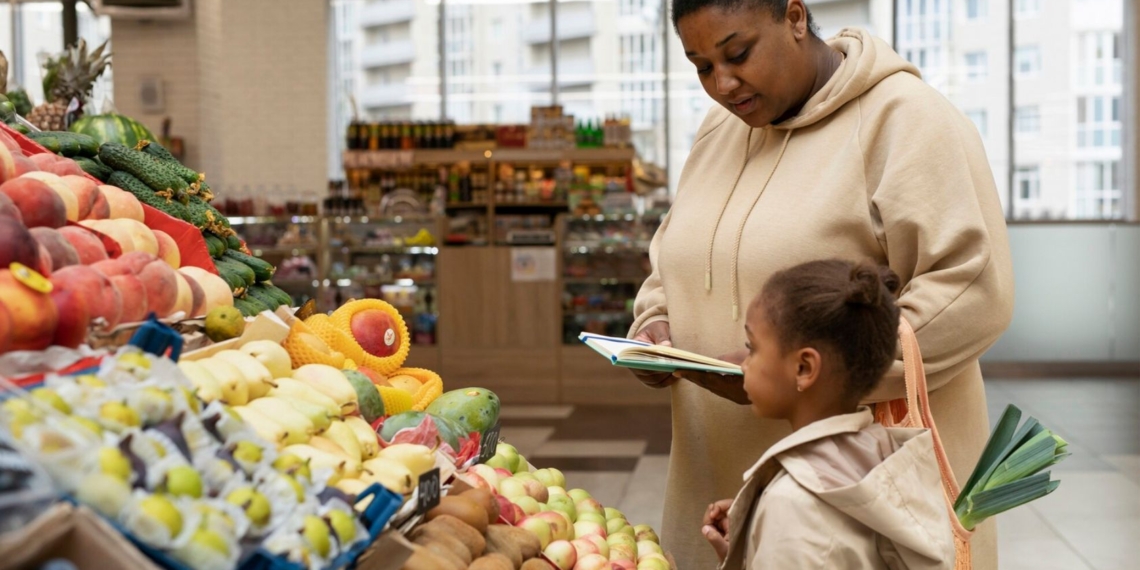
Overspending during the festive season can leave us with regrets once the celebrations are over.
Photo: Freepik

Overspending during the festive season can leave us with regrets once the celebrations are over. Photo: Freepik

Share on FacebookShare on TwitterShare on WhatsApp

In many communities, stokvels are not only a financial safety net but a key tradition of festive season planning, ensuring families navigate the celebratory months without unnecessary financial strain.

While some members use the extra cash wisely to avoid financial challenges in January, others may be tempted to spend recklessly. Stokvel members are encouraged to focus on smart, forward-thinking choices to stretch their resources well beyond December.

Some stokvels focus on splitting cash at the end of the year, while others invest in bulk groceries to lighten the load.

Keep grocery bills in check

For Nosi Mgcina, a member of Masakhane Stokvel in Cape Town, receiving her share from the stokvel has always been a way to maintain consistency in how she approaches groceries and meal planning.

She explains that buying groceries and cosmetics in bulk through the stokvel allows members to enjoy wholesale discounts, which often means getting additional items.

“Some of the items we buy in bulk that last longer for our big families include maize meal, samp, flour, sugar, cooking oil, and canned goods. These staples have a long shelf life and are foods most of us use daily.”

Nosi Mgcina

While meat is also purchased in bulk, she notes that it doesn’t last as long due to its perishable nature. To make up for this, the stokvel members also invest in retail store stamps which come in handy for back-to-school needs, especially stationery.

Nosi Mgcina explains that buying in bulk allows them to save with discounts. Photo: Supplied/Food For Mzansi

Festive shopping and new-year planning

Masibulele Sishuba, the founder of Masakhe Stokvel in Cape Town, says she leads a group of 12 women who understand the importance of budgeting and saving. During the festive season, they buy non-perishable, nutritious items in bulk, such as cereals, rice, pasta, and beans.

“Due to load shedding, we’re still struggling to buy meat in bulk, so we set aside retail grocery stamps to purchase meat weekly or monthly, depending on each member’s preference,” she explains.

“We also have a savings plan where we contribute money to ensure there’s still funds for back-to-school essentials, like stationery, in January.”

Masibulele Sishuba explains that their stokvel goes beyond groceries, it also gives back to the community. Photo: Supplied/Food For Mzansi

In addition, they buy vegetables in bulk, concentrating on the most affordable and freshly packaged options. The stamps also help them top up on fruit and vegetables.

Sishuba notes that stokvel members also contribute R100 each to buy groceries for charity, with Masithandane Children’s Home in Nyanga being their current recipient.


Related stories
  • ‘Start with what you have,’ advises founder of poultry stokvel
  • Crowd-funding: A financing lifeline for smallholders
  • Side hustle: Student starts his own poultry farm

Buying meat and produce from farmers

Thabile Nkunjana, a senior agricultural economist with the National Agricultural Marketing Council (NAMC), says families struggle with the cost of living.

“Families and people, particularly the impoverished and a sizable portion of the middle class, have been negatively impacted financially by the cost-of-living problem in South Africa. [Therefore], making wise financial decisions is essential.”

Furthermore, Nkunjana explains that many stokvel-participating households purchase in bulk during festive seasons, often negotiating with nearby farmers to supply them with produce such as eggs, potatoes, or live chickens.

This type of arrangement benefits local economies, supporting the growth of these areas while benefitting both farmers and consumers. He adds that when consumers or stokvel participants buy food from nearby farms, they directly contribute to their community’s economic stability and development.

Thabile Nkunjana is a senior economist. Photo: Supplied/Food For Mzansi

“Spending money at local farms boosts local small and midsize enterprises, and creates additional jobs.”

Nkunjana adds that local produce is often fresher and more nutrient-dense than food that has travelled long distances to reach wholesalers or store shelves.

“As soon as they are picked, fruits and vegetables start to lose nutrition, and stressed chickens have lower-quality meat.”

READ NEXT: Gift your heart with good food this festive season

Sign up for Mzansi Today: Your daily take on the news and happenings from the agriculture value chain.

Vateka Halile

Vateka Halile grew up in rural areas of Cofimvaba in the Eastern Cape. She was raised in a traditional family setting and found writing to be a source of comfort and escape. Vateka participated in an online citizen journalism course through Food For Mzansi, and her passion for health and medicine-related stories was born. Her dedication to community work and love for social justice and solidarity spaces is evident in her quality time with the community when she isn't working.

Tags: Consumer interestFestive SeasonInform meStokvel
Diamond fibre: How Angora farmers can crack the mohair market
Farmer's Inside Track

Diamond fibre: How Angora farmers can crack the mohair market

by Vateka Halile
20th May 2026

South Africa dominates the global mohair trade, producing half the world's supply through an intricate pipeline stretching from Karoo farms...

Read moreDetails

Climate variability moves from background risk to core driver of South African agriculture

20th May 2026
Plan before you plant: Key insurance lessons for SA farmers

Plan before you plant: Key insurance lessons for SA farmers

20th May 2026
Small-scale farmers stand to benefit from new infrastructure at Dube AgriZone 2 in KwaZulu-Natal, which will provide access to packhouses, cold storage and logistics support near King Shaka International Airport. Photo: Supplied/Food For Mzansi

KZN’s agri gateway grows: Dube AgriZone 2 opens new doors

20th May 2026

Infrastructure crisis deepens strain on storm-battered fruit farmers

19th May 2026

Middle East tensions and fuel hikes threaten SA food prices

This week’s agri events: 18 – 22 May

Standard Bank, Orizon launch first bank-backed carbon crop programme

Tomato price debate: Joburg Market, RSA Group weigh in

Wild at heart: Shane Ngwenya swapped fear of snakes for science

Join Food For Mzansi's WhatsApp channel for the latest updates!

JOIN NOW!
Next Post
Durbanville Hills tastes sweet success at Michelangelo Awards

SA wine industry rebounds with promising 2025 harvest

THE NEW FACE OF SOUTH AFRICAN AGRICULTURE

With 21 global awards in the first six years of its existence, Food For Mzansi is much more than an agriculture publication. It is a movement, unashamedly saluting the unsung heroes of South African agriculture. We believe in the power of agriculture to promote nation building and social cohesion by telling stories that are often overlooked by broader society.

Green economy pathways offer hope for SA’s unemployed youth

Thozama teaches Khayelitsha’s kids to grow their own food

Middle East tensions and fuel hikes threaten SA food prices

SA growers turn up the heat in Europe with grapefruit campaign

Limpopo farmers’ day: Collaboration, compliance take centre stage

Wild at heart: Shane Ngwenya swapped fear of snakes for science

  • Awards & Global Impact
  • Our Story
  • Contact Us
  • Cookie Policy
  • Privacy Policy
  • Copyright

Contact us
Office: +27 21 879 1824
News: info@foodformzansi.co.za
Advertising: sales@foodformzansi.co.za

Contact us
Office: +27 21 879 1824
News: info@foodformzansi.co.za
Advertising: sales@foodformzansi.co.za

  • Awards & Global Impact
  • Our Story
  • Contact Us
  • Cookie Policy
  • Privacy Policy
  • Copyright
No Result
View All Result
  • News
  • Changemakers
  • Lifestyle
  • Farmer’s Inside Track
  • Food for Thought

Copyright © 2024 Food for Mzansi

This website uses cookies. By continuing to use this website you are giving consent to cookies being used. Visit our Privacy and Cookie Policy.