The deteriorating state of South Africa’s ports forces many producers to dig even deeper into their pockets by choosing airfreight to ensure that produce reaches overseas markets on time.
According to Western Cape fruit exporter and managing director at Riyp Uzair Essack, it has simply become a much better option to fly fruit destined for exports. This, as many dump sea shipping amid Transnet’s woes.
Essack tells Food For Mzansi journalist Tiisetso Manoko that airfreight has not only become a better alternative, but something that all farmers need to look at if they want to stay relevant.
Tiisetso Manoko: Mzansi’s ports have become a nightmare for fresh produce exporters. You are among the many exporters who are now choosing airfreight as an alternative. What are the cost implications compared to seafreight?
Uzair Essack: Yes, the cost of airfreight is significantly higher – probably ten times the price [of seafreight] depending on the market. With the recent ports strike that happened, while blueberry farmers were trying to ship most of the volume, they all had to turn to air transportation to get their volumes moved.
This was done because blueberries do not have a long shelf live. For low-value fruits such as oranges it will not make sense to transport them by air because the cost of airfreight will be high, like three to four times the price of the fruit itself.
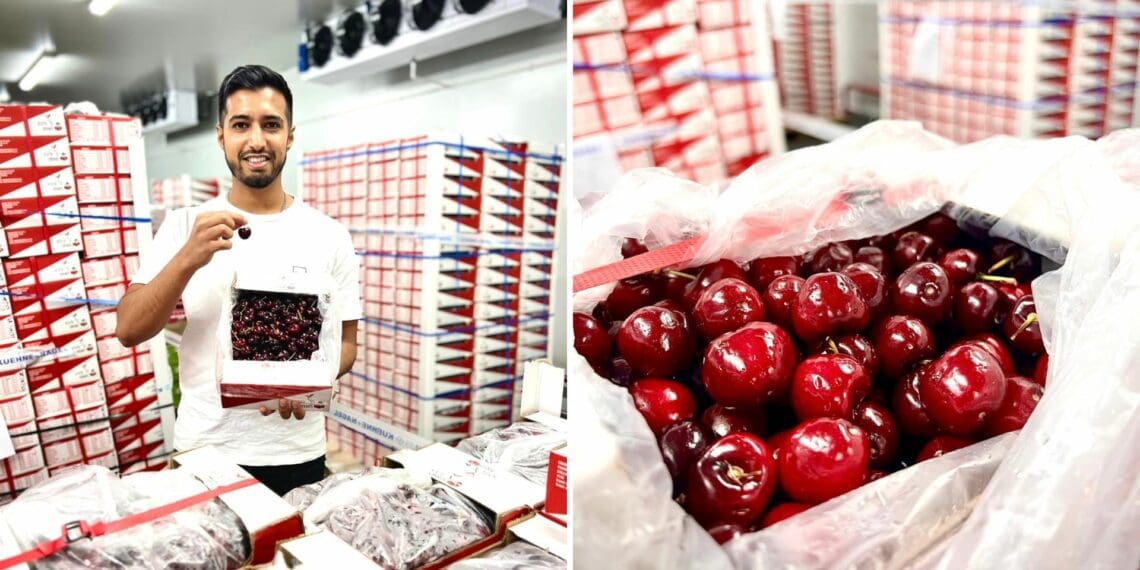
Air transportation, generally, only works for your high-value fruit like strawberries, other berries, cherries, and litchis.
In terms of cost implications, it can be anywhere from $1.50 to $2 dollars per kilogram (equivalent to R26.77 to R35.69) depending on where we are shipping in the world.
Which fruits should South African farmers consider for exporting via airfreight?
It is high-value fruits that should be considered for airfreight by producers. Also, fruits that do not have much weight as one will want to keep the cost as low as possible because the costs are expensive. You get charged per weight by the airline, so the lighter the fruit is, the more fruit you going to be able to send. Also, the cheaper the price.
Do you believe the agriculture sector is ready for increased airfreight, considering the multitude of challenges the country has faced, and will that not impact employment at the ports?
We have been doing air transportation [for a long time now]. The problem is the cost implications. Once we try to airfreight everything, we immediately price ourselves off the market, which is something that we all want to avoid at all costs.
Surely there are risks involved with airfreight too?
I think the advantage of airfreight is that the produce can get to the market very fast whilst the disadvantage of it is the price. If airfreight was the same price as seafreight, for example, then everyone would do it.
Some cons of airfreight are that, at times, the airlines offload your stuff when they have overbooked the flight. I have had it happen to me this week. I did not have to pay anything extra. [The produce just went on a different flight] two days later, so meaning my produce was two days late [at its intended destination].
In certain seasons, like now when there is a lot of summer fruits, there is not a lot of space [available on flights] and having to rebook the flight is very challenging. In terms of licensing, you do not need any specific licenses or insurances. The normal export licences will work.
Any tips for producers who might now also consider airfreight as a more reliable option?
If you are a producer who has an early crop, airfreight it into the market so that you get there first and you can get a good price. Even though it is more expensive, you should be able to cover those costs. Getting there early is key.
ALSO READ: Transnet sucks, but airfreight might save exports
Sign up for Mzansi Today: Your daily take on the news and happenings from the agriculture value chain.