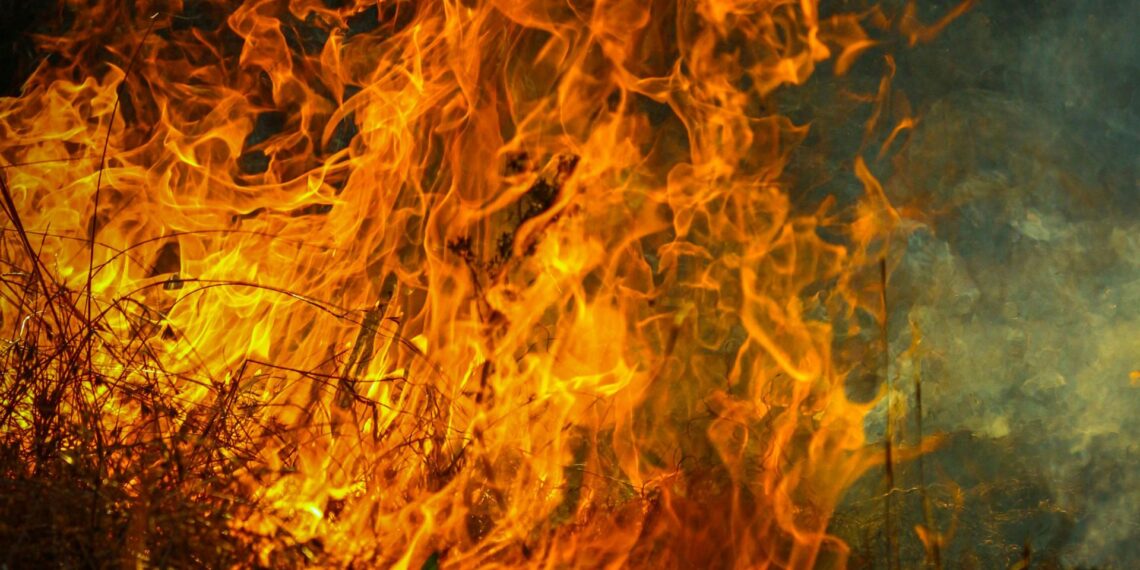
As the threat of veld fires continues to loom over farming communities across South Africa, a recent initiative in Sekhukhune has brought renewed focus to the urgent need for preparedness in agriculture.
The Limpopo department of agriculture and rural development, alongside the Ephraim Mogale Local Municipality, recently hosted a veld fire management session with the Makgatle Diphiri Farmers Association. The gathering went beyond firefighting demonstrations, sending a clear message to farmers: a contingency plan is as important as a fire extinguisher.
The Sekhukhune training session placed strong emphasis on practical resilience. Farmers were given hands-on demonstrations on how to operate firefighting equipment and create fire breaks.
Fire training can save lives
Absalom Legwai, team leader for Ephraim Mogale Fire Services, encouraged farmers to invest in preventative measures. His demonstrations reinforced the need for readiness, reminding farmers that when flames approach, quick action can make the difference between containment and catastrophe.
Animal production scientist Michael Maruma explained that empowering farmers directly strengthens communities. According to him, having more trained individuals on the ground is vital during crises.
Related stories
- BASF backs safer farming with PPE kits and training
- Corteva grows future agri leaders through training & support
- Joining Fire Protection Associations key to combat veld fires
- Ramaphosa urges regional farming unity at Zimbabwe agri show
“Even a callout to emergency services comes with a cost and may take time to arrive, so the more there are trained personnel equipped within the community, the better to reduce the damage,” he said.
Fire station chief Gary van Jaarsveld outlined the National Veld and Forest Fire Act No. 101 of 1998, which governs everything from fire protection associations and firefighting procedures to penalties for negligence. For farmers, understanding this legislation forms an essential part of a broader contingency plan.
The devastating cost of fires
For livestock farmer Puseletso Lipali from the Free State, the devastating consequences of fire have been a reality. She recounted her experience of a blaze that tore through her grazing land.
“The fire made a huge impact on the business, resulting in a loss of grazing. We had to purchase fodder bales to feed livestock. The unfortunate part is that we didn’t have the insurance to cover that loss. We lost about 300 hectares, almost all grazing area,” Lipali said.
She highlighted the reality that many farmers face, the financial burden of recovery often exceeds the immediate physical damage. Without insurance, Lipali was left to meet the costs of feeding her livestock. She noted that while training and preventative measures are crucial, financial resilience remains the cornerstone of survival.
Why insurance is non-negotiable
Herman van Dyk, a representative of Overberg Wealth and Risk Management, explained the purpose of fire insurance.
“The primary goal of insurance is to prevent your farm from having to close its doors,” he said. He advised landowners to use the spring months to carefully assess risks and review policies with their brokers to ensure the right level of cover.
“With fire season approaching, the spring months provide an opportunity to make sure you’re adequately prepared,” he said. Adding that proactive planning today could be the difference between recovery and collapse after a fire.
Van Dyk also urged farmers to fully understand the different types of insurance available. “Landowners know they need fire insurance, but they’re not always sure what it entails,” he said.
READ NEXT: The farmer’s guide to supplying fresh produce to markets