Tuesday, May 5, 2026
SUBSCRIBE
21 GLOBAL MEDIA AWARDS
Food For Mzansi
  • News
  • Changemakers
  • Lifestyle
  • Farmer’s Inside Track
  • Food for Thought
No Result
View All Result
  • News
  • Changemakers
  • Lifestyle
  • Farmer’s Inside Track
  • Food for Thought
No Result
View All Result
Food For Mzansi
No Result
View All Result
in Food for Thought

Why KwaZulu-Natal farmers are rejecting hemp

Policy says hemp can create jobs. Farmers say it could destroy livelihoods. ARC agricultural economists say in rural KZN, many see hemp not as an opportunity, but as a threat from commercial players and government regulation

by LP Mailula N Ngcobo B Zitha and S Zantsi
5th May 2026
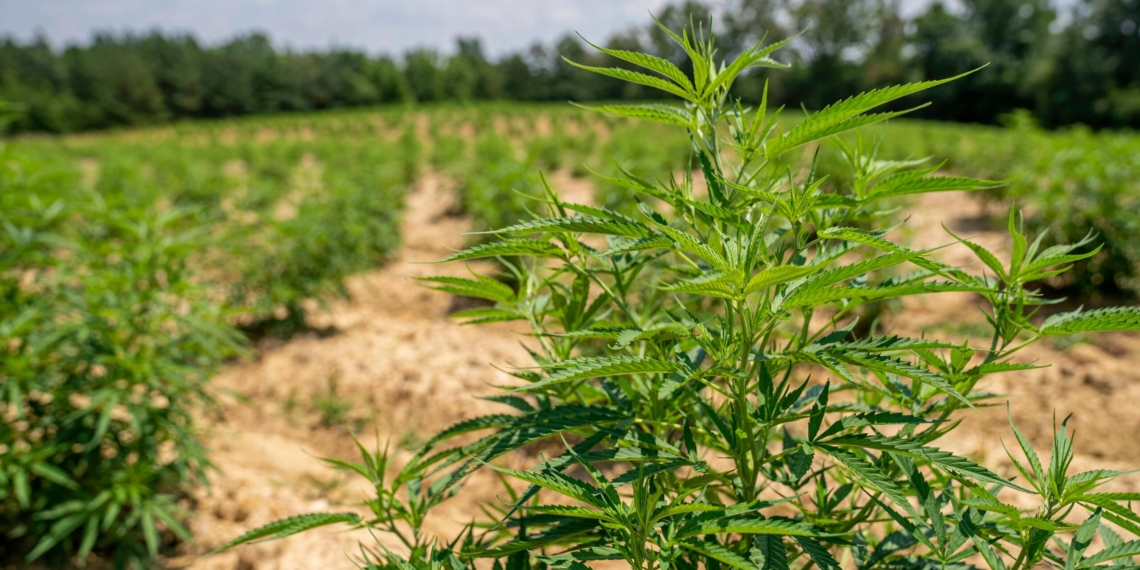
Farmers in KwaZulu-Natal link cannabis production to generations of income, but also trauma, arrests, and violence. ARC economists say meaningful hemp policy must address mistrust and protect rural livelihoods first. Photo: Mark Stebnicki/Pexels.com

Farmers in KwaZulu-Natal link cannabis production to generations of income, but also trauma, arrests, and violence. ARC economists say meaningful hemp policy must address mistrust and protect rural livelihoods first. Photo: Mark Stebnicki/Pexels.com

Share on FacebookShare on TwitterShare on WhatsApp

Hemp is often promoted as a game-changing crop for South Africa’s rural economy, but farmers in KwaZulu-Natal tell a different story. ARC agricultural economists Lesiba Pertunia Mailula, Noluthando Ngcobo, Blessing Zitha and Siphe Zantsi explain the mistrust, fear, and realities behind the resistance.


In recent years, hemp has been promoted as a new opportunity for South Africa’s rural economy. It is often described as a legal, sustainable crop that can create jobs and support smallholder farmers. 

On paper, hemp appears to offer a solution to poverty and unemployment in rural areas. However, field experiences show that this promise does not always reflect realities on the ground. 

During a recent data collection in rural KwaZulu-Natal, the research team encountered strong resistance from farmers in one of the communities they visited. Instead of interest or willingness to participate in the study, many farmers openly rejected the idea of hemp. 

Some refused to engage with the team, while others reacted with anger and suspicion. A few made joking but threatening remarks, making it clear that their presence was unwelcome.

Cannabis as a livelihood 

For many farmers in this area, cannabis cultivation is not a new or temporary activity. It is a long-standing livelihood that has supported households for generations. In areas with limited employment opportunities and low returns from traditional crops, cannabis has played a central role in household survival. 

FARMER POLL

📢 Which bank is powering your farming journey?

Tell us which bank you use so we can better advocate for the specialised financial tools and accessible capital needed to help South African farmers overcome growth barriers and thrive!

All submissions are kept strictly confidential. 

Income from cannabis has helped families buy food, pay school fees and meet daily needs. However, this livelihood has also been shaped by violence and loss. Farmers spoke about conflicts linked to cannabis production, including incidents where people were killed. Others mentioned relatives and community members who were arrested and remain in prison. 

These experiences have created deep fear and trauma that continue to influence how communities respond to anything related to cannabis.

Hemp farming: How to master planning, permits and precision

Why hemp feels like a threat

Despite being legal, hemp is not viewed as an opportunity by many farmers. Instead, it is seen as a threat to an existing way of life. 

Farmers believe that hemp is being introduced to replace small-scale cannabis farmers with commercial producers who have more resources and better access to markets. From their perspective, the government is not offering support but is taking control of a crop they have cultivated for decades. Hemp is associated with permits, regulations, inspections and uncertainty. 

Cannabis, although illegal, is familiar and already connected to established markets. For farmers who have survived for years under difficult conditions, the risks associated with hemp feel greater than its potential benefits.


Related stories
  • Why hemp could be the next big thing for local producers
  • Visionary KZN farmer turns sugarcane fields into hemp future
  • Hemp farming pioneer thrives with sustainable practices

Mistrust, fear and silence

A deep mistrust of government officials, researchers and institutions also shapes farmers’ resistance. Years of criminalisation have taught communities to be cautious of outsiders asking questions. 

Some farmers fear that participating in research could expose them to law enforcement or future targeting. Others feel that researchers come, collect information and leave without improving local conditions. 

This mistrust explains why some farmers choose silence over engagement. Their reactions are not random or irrational but are rooted in lived experience and a need for self-protection.

What this means for hemp policy

The experience in rural KwaZulu-Natal highlights a gap between policy ambitions and community realities. Resistance to hemp does not come from ignorance or unwillingness to change. Instead, it reflects historical exclusion, unresolved trauma and fear of losing livelihoods. 

If hemp is to become a truly inclusive agricultural opportunity, policymakers must start by listening to the people most affected. Recognising existing cannabis livelihoods, addressing mistrust and creating fair transition pathways are essential. 

Without this, hemp will remain a symbol of exclusion rather than an opportunity for many rural farmers.

  • Lesiba Pertunia Mailula, Noluthando Ngcobo, Blessing Zitha and Siphe Zantsi are agricultural economists from the Agricultural Research Council (ARC). The views and opinions expressed in this article are those of the author and do not necessarily reflect the views or positions of Food For Mzansi.

READ NEXT: Idle farmland, hungry nation: A wake-up call for SA

Sign-up for the latest agricultural news delivered straight to your inbox every day with Mzansi Today!

LP Mailula N Ngcobo B Zitha and S Zantsi

Tags: CannabisHelp me understandhemp farmingKwaZulu-Natal
Cheers to 366 years of South African winemaking excellence!
News

This week’s agri events: 04 – 08 May

by Tiisetso Manoko
4th May 2026

Agricultural events you can look forward to include Nampo Harvest Day from 12–15 May in the Free State, Agri Skills...

Read moreDetails
Moringa, tallow, tea: Africa’s organic pioneers drive growth

Moringa, tallow, tea: Africa’s organic pioneers drive growth

3rd May 2026
Land reform in SA: Slow but steady strides forward

Land restitution leads, but reform still lacks

2nd May 2026
South Africa faces a critical shortage of veterinarians, essential for animal health, food safety, and zoonotic disease control. Boehringer Ingelheim is working to support existing vets and raise awareness of the profession’s vital role. Photo: Supplied/Food For Mzansi

R512k boost helps EC youth launch animal healthcare businesses

2nd May 2026

Stoep to cellar: Sauvignon blanc takes centre stage this May

1st May 2026

Harvesting success: Inga Qeja’s journey from garden to grocer

Rockman unveils R1 billion budget to combat disease, boost jobs

Stoep to cellar: Sauvignon blanc takes centre stage this May

Local burrata named SA’s best dairy product

Calf rearing: Why the first few hours define your future herd

Join Food For Mzansi's WhatsApp channel for the latest updates!

JOIN NOW!
Next Post
From analytical chemistry to open farmland, Nomachule Sigcau oversees operations that connect scientific precision with everyday farming practice in the Eastern Cape. Photo: Supplied/Food For Mzansi

Mpondoland’s soil-to-pharmacy vision takes root

THE NEW FACE OF SOUTH AFRICAN AGRICULTURE

With 21 global awards in the first six years of its existence, Food For Mzansi is much more than an agriculture publication. It is a movement, unashamedly saluting the unsung heroes of South African agriculture. We believe in the power of agriculture to promote nation building and social cohesion by telling stories that are often overlooked by broader society.

Massive fuel price hikes hit SA despite extended levy relief

Mpondoland’s soil-to-pharmacy vision takes root

Why KwaZulu-Natal farmers are rejecting hemp

China tariff cuts boost SA farm export hopes

Heading to Nampo? Join these free farm talks!

How irrigation automation benefits farms of all sizes

  • Awards & Global Impact
  • Our Story
  • Contact Us
  • Cookie Policy
  • Privacy Policy
  • Copyright

Contact us
Office: +27 21 879 1824
News: info@foodformzansi.co.za
Advertising: sales@foodformzansi.co.za

Contact us
Office: +27 21 879 1824
News: info@foodformzansi.co.za
Advertising: sales@foodformzansi.co.za

  • Awards & Global Impact
  • Our Story
  • Contact Us
  • Cookie Policy
  • Privacy Policy
  • Copyright
No Result
View All Result
  • News
  • Changemakers
  • Lifestyle
  • Farmer’s Inside Track
  • Food for Thought

Copyright © 2024 Food for Mzansi

This website uses cookies. By continuing to use this website you are giving consent to cookies being used. Visit our Privacy and Cookie Policy.