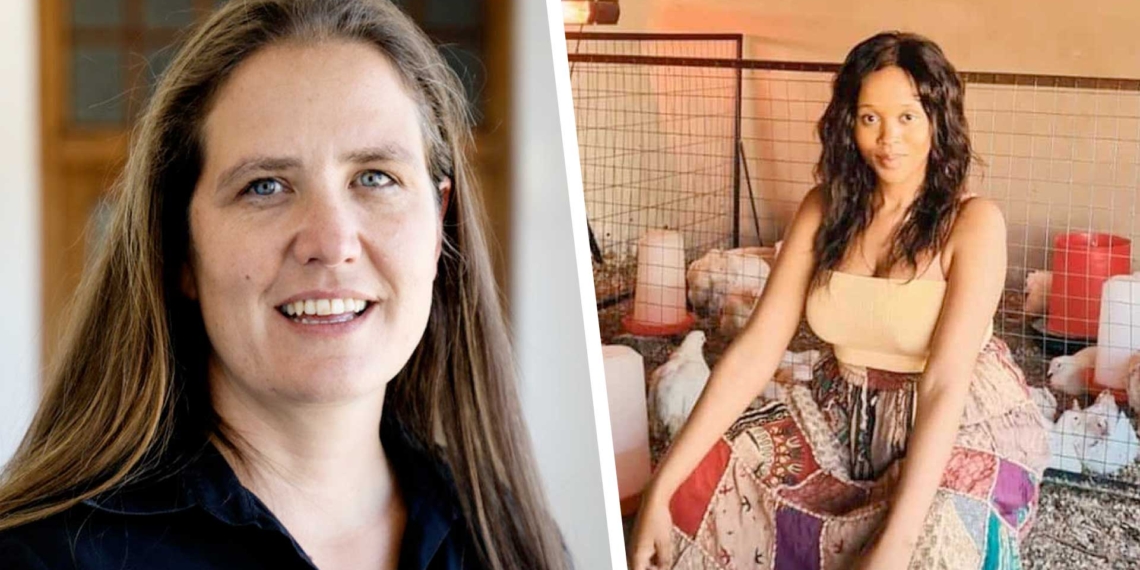
In a recent study on gender equality in South African agriculture, the Sustainability Initiative of South Africa (Siza) and the Western Cape department of agriculture found that women still face many challenges within the sector.
While the gap between the total number of male and female employees has slightly decreased nationally, and the role of women in agriculture receives more recognition than before, the study asserts that more can be done to support women in the industry.
Between 2007 and 2018, full-time female agricultural employees increased by 3%, narrowing the gap between male and female full-time employees nationwide. Part-time or seasonal female workers also increased by 3%, shifting the balance in favour of female workers. The majority of full-time employees is still male, however.
Provincially, women farmers increased by 5% compared to their male counterparts in the Eastern Cape, Northern Cape and Free State. A decrease in female farmers was reported in the remaining provinces. Nationally, female farmers increased by 1%.

Through an online questionnaire conducted among 192 respondents, the study identified prejudice, sexism, lack of confidence, motherhood and childcare, as well as education and training as barriers to entry and equality impediments for women in farming. With regard to physical strength, most respondents maintained that the adoption of new technologies ruled out hardiness as a determining factor for future employment in agriculture.
Following on publication of the study, Food For Mzansi journalist Lee Duru spoke to experts advocating for gender equality in the sector.
Prof. Elmien du Plessis is an associate professor in the faculty of law at the North-West University (NWU). She teaches land reform, indigenous law, property law and interpretation of statutes.

Lee Duru: What are the factors affecting gender disparity in agriculture?
Elmien du Plessis: Access to land is often a problem due to marriage and inheritance rules. These often see land ending up in the hands of men, or women unable to access land if it is not through a husband or a father. This is why government’s Beneficiary Selection and Land Allocation Policy (BSLAP), that insists 50% of beneficiaries are women, is a good move. It does need to be backed up by other laws that ensure women do not lose land when marrying, though.
Why are women considered to be less capable within the agricultural sector and how is this notion reinforced?
We have very stereotypical ideas of what a “farmer” looks like, and I think that makes entry difficult. So what is important is that women break through that stereotype.
What is the future of women in agriculture?
With the necessary support, there can be a great future for women in agriculture. Increased numbers of women in the policy and law-making space is important. It helps bring diverse views when decisions are made. It is up to us all to amplify these voices.
Gugulethu Mahlangu is a crop farmer based in Hartebeespoort. She is a regenerative agriculture enthusiast and a champion for the cause of women in agriculture.

Lee Duru: What special qualities do women in agriculture bring to the table?
Gugulethu Mahlangu: Creativity, intelligence, patience and a nurturing essence which is needed to build a farm from scratch, to keep it going and to keep it growing. Women play a vital role in farming. However, they are unseen. They work the fields, birth and raise livestock, manage farms and decisionmakers and administration.
They bring their unique feminine touch to farming.
What advice would you give a female farmer who is just starting out?
Breaking through barriers like prejudice and sexism requires unwavering self-belief. Gather support from like-minded people, especially other female farmers and do not allow yourself to be made to feel that you do not belong. Equally important is to get as much training as you can. Attend courses offered by agriSETA and the department of agriculture. And lastly, do not rely on handouts but commit to doing the groundwork instead.
What are the highlights and lowlights of your personal farming experience?
My highlight is starting Farm Spaces (a live audio platform on Twitter). I see the positive impact it has on farmers and how it’s allowed me to contribute to the growth of the sector.
A lowlight is the lack of support in the beginning. Farming can be a very lonely, difficult journey when starting off, especially for first-generation female farmers not coming from an agricultural background.
Government restated its commitment
The department of agriculture, land reform and rural development (DALRRD) has committed itself to addressing gender-based inequalities in the agricultural sector through development research, policy and practice.
National minister Thoko Didiza also said in a recent webinar that progress has been made in the implementation of the BSLAP. “Of the 700 000 hectares of land released by the state last year, 53 000 hectares, which equates to 78 farms, were released to 217 women beneficiaries.
“We want to continue growing these numbers because women remain the bedrock of strengthening food systems at local level.”
To access the full Siza study, click here.
ALSO READ: Women farmers will get 50% of state land, vows Didiza
Sign up for Mzansi Today: Your daily take on the news and happenings from the agriculture value chain.