Saturday, August 22, 2026
SUBSCRIBE
22 GLOBAL MEDIA AWARDS
Food For Mzansi
  • News
  • Changemakers
  • Lifestyle
  • Farmer’s Inside Track
  • Food for Thought
No Result
View All Result
  • News
  • Changemakers
  • Lifestyle
  • Farmer’s Inside Track
  • Food for Thought
No Result
View All Result
Food For Mzansi
No Result
View All Result
in International News, News

Africa turns to Asia as demand for rice surges

Demand for rice consumption is growing rapidly in Africa, particularly in urban areas. However, levels of domestic rice production are not keeping pace with the growth in consumption demand

by Staff Reporter
7th November 2022
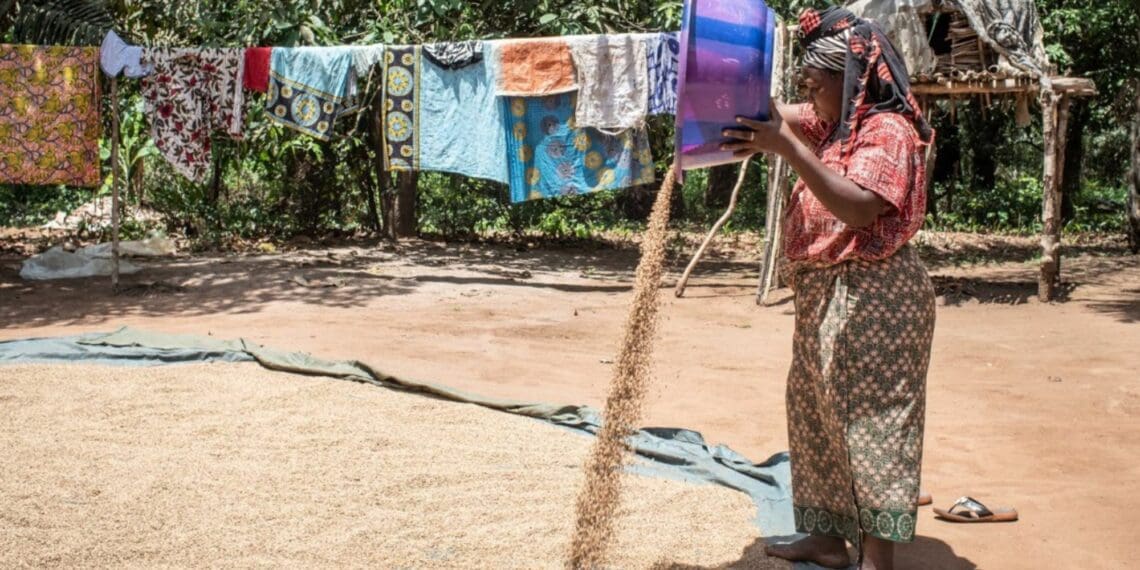
Small-scale rice production in Guinea. Photo: FAO/Jean-Baptise Joire

Small-scale rice production in Guinea. Photo: FAO/Jean-Baptise Joire

Share on FacebookShare on TwitterShare on WhatsApp

Rice-growing experts from Thailand and Vietnam visited Tanzania in October to explore collaboration opportunities with African countries to boost rice productivity and production. Demand for rice consumption is growing in Africa, particularly in urban areas, and the level of domestic rice production is not keeping pace with the growth in consumer demand.

To address this gap, the UN Food and Agriculture Organization (FAO) facilitated a three-day regional workshop involving African and Asian experts to share knowledge experiences on better rice production.

“It is important that we need to redouble efforts in sharing knowledge and experiences on better production but also for better trade in rice, using opportunities such as the African Continental Free Trade Area. There is no short cut to achieving some level of respectable self-sufficiency other than enhancing productivity, which at the moment is at a very low level,” said Abebe Haile-Gabriel, FAO assistant director-general and regional Representative for Africa.

“By sharing knowledge and experiences on best practices , we are contributing to a more sustainable agrifood system transformation in Africa.”

“The government of Tanzania is keen to tap into the knowledge and experience of some Asian countries such as Vietnam and Thailand which are among the top three rice exporting countries in the world.”

Nyasebwa Chimagu, the director of crops development in the ministry of agriculture.

“We value the experience of some Asian countries that have succeeded to boost productivity in rice farming through various strategies including rice intensification systems.”

Increasing rice yields in Africa

Africa’s top rice-producing countries include Nigeria, Tanzania, Madagascar, Liberia, Uganda, Mali, Sierra Leone, Cote d’ Ivoire, Ghana, Gambia, Benin, and Cameroon. But more than half of all African countries are net rice importers.

African rice consumption is projected to reach 34.9 million tonnes of milled rice by 2025. If current trends continue, African production will meet only two-thirds of the demand and more than 12 million tonnes of rice will need to be imported each year, at an annual cost of more than $5 billion. 

While imports from Asia will likely address the gap, some African countries have made significant strides in increasing their rice production driven largely by political will and commitment to put in place the right policies, strategies, and institutional mechanisms.

In Tanzania, for example, rice production has increased in recent years because of coordinated efforts by the government and other stakeholders, including FAO, which has made rice the second most important food crop after maize.

Despite progress, productivity remains low, with an average yield of one to three tonnes per hectare which is less than half of the average yield achieved in major rice producing countries such as China.

Reasons for low productivity include climate change, insufficient application of new technologies, the use of low-yielding varieties, low levels of private sector involvement in the rice value chain, insufficient irrigation infrastructure and low levels of youth involvement in agriculture.

Learning from Asia

Valuable lessons were shared at the workshop from the Asian value chain including price and trade policies, research and extension, agricultural education, seeds systems development, private sector development and technical know-how in plant production, protection, harvesting, processing and trade.

Through the South-South Cooperation, sharing these lessons can help African countries avoid similar hurdles and related costs.

“South-South and Triangular Cooperation offers an effective delivery mechanism towards the Sustainable Development Goals in Africa,” said Peter Anaadumba, South-South and Triangular Cooperation specialist at the FAO Regional Office for Africa. “Through SSTC, sustainable agricultural production and profitability can be increased, and new technologies and innovations can be introduced to drive progress.”

ALSO READ: Don’t ignore potential of snail farming, Mzansi

Sign up for Mzansi Today: Your daily take on the news and happenings from the agriculture value chain.
Staff Reporter

Researched and written by our team of writers and editors.

Tags: AfricaAsiaFood and Agricultural Organisation (FAO) of the United Nations
Nampo Cape expands women’s programme at Bredasdorp Park
News

Nampo Cape expands women’s programme at Bredasdorp Park

by Staff Reporter
20th August 2026

Nampo Cape 2026 presents an expanded Santam Agriculture Women’s Programme, bringing inspirational talks, live entertainment, and community spirit to Bredasdorp...

Read moreDetails

Bolder taste, local roots: Maggi revamps iconic chicken noodles

19th August 2026
Jabu Mphambo, acting CEO of Land Bank; Johann Kotzé, CEO of AgriSA; Dr Keith du Plessis, CEO of Casidra; and Jannie Strydom, CEO of Agri Western Cape. They will be among the exciting speakers at Food For Mzansi and Land Bank’s popular lunchtime conversations at Nampo Cape 2026. Photos: Supplied/Food For Mzansi

Plan your Nampo Cape around these lunchtime conversations

19th August 2026
Market first: How Tshepiso built Blessed and Beautiful Farms

Market first: How Tshepiso built Blessed and Beautiful Farms

19th August 2026
High dam levels offer temporary cushion as SA braces for El Niño

High dam levels offer temporary cushion as SA braces for El Niño

19th August 2026

Smart energy puts Mzansi farms on a stronger footing

Post-storm recovery: Managing soil and stock after severe weather 

Chemistry meets creativity in Neo Mokhomo’s soya candle brand

Closing SA’s gender gap in commercial farming success

Nampo Cape expands women’s programme at Bredasdorp Park

Join Food For Mzansi's WhatsApp channel for the latest updates!

JOIN NOW!
Next Post
First-generation farmer: Maluta Netshaulu is an agricultural economist, banker, thought leader, husband and father. Photo: Supplied/Food For Mzansi

How to become a great first-generation farmer

THE NEW FACE OF SOUTH AFRICAN AGRICULTURE

With 21 global awards in the first six years of its existence, Food For Mzansi is much more than an agriculture publication. It is a movement, unashamedly saluting the unsung heroes of South African agriculture. We believe in the power of agriculture to promote nation building and social cohesion by telling stories that are often overlooked by broader society.

Practical management tips every SA livestock farmer must follow

Former nurse drives EC agroecology revolution in Ncera Village

15 000 jobs shed: Why the SA agri sector is feeling the pinch

Closing SA’s gender gap in commercial farming success

Trailblazers call for greater access, opportunity for women in agri

Smart energy puts Mzansi farms on a stronger footing

  • Awards & Global Impact
  • Our Story
  • Contact Us
  • Cookie Policy
  • Privacy Policy
  • Copyright

Contact us
Office: +27 21 879 1824
News: info@foodformzansi.co.za
Advertising: sales@foodformzansi.co.za

Contact us
Office: +27 21 879 1824
News: info@foodformzansi.co.za
Advertising: sales@foodformzansi.co.za

  • Awards & Global Impact
  • Our Story
  • Contact Us
  • Cookie Policy
  • Privacy Policy
  • Copyright

Chat Options

I'm Lerato, your AI assistant!
No Result
View All Result
  • News
  • Changemakers
  • Lifestyle
  • Farmer’s Inside Track
  • Food for Thought

Copyright © 2024 Food for Mzansi

This website uses cookies. By continuing to use this website you are giving consent to cookies being used. Visit our Privacy and Cookie Policy.