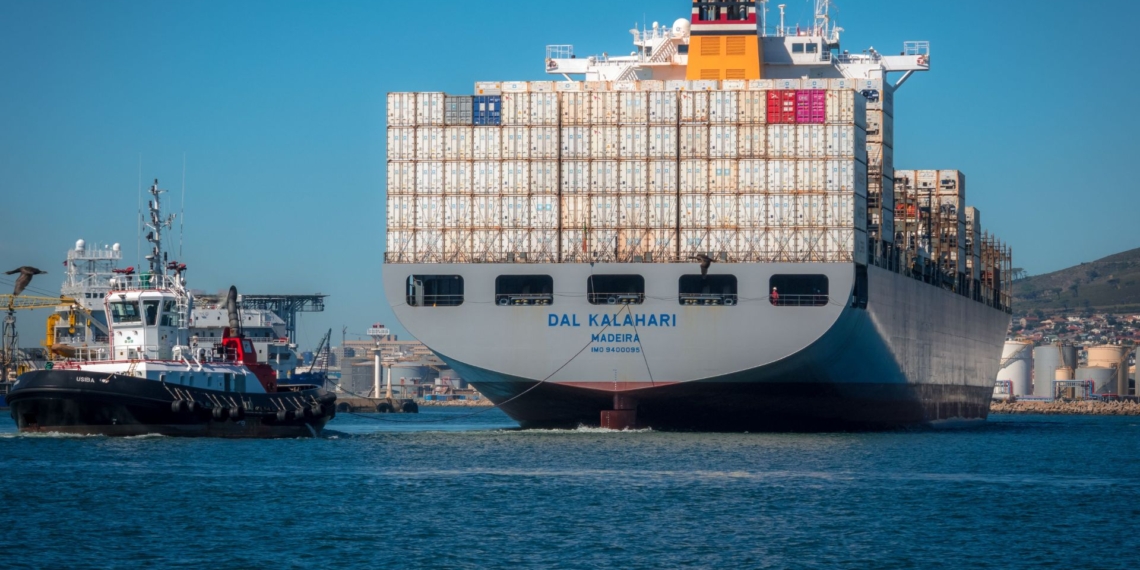
The Port of Cape Town has been named the worst-performing container terminal in the world, ranking dead last at 400th out of 400 ports globally.
The findings, published in the latest World Bank and S&P Global Market Intelligence Container Port Performance Index (CPPI) for 2025, have drawn immediate reaction from the Fresh Produce Exporters’ Forum (FPEF), Hortgro, and the SA Table Grape Industry (SATI).
While the ranking is disappointing, with all South African ports among the worst performers globally, the agricultural export bodies stated that it is important to recognise that several ports recorded significant improvements during the reporting period.
Improvement at three SA ports
Durban was identified as the most-improved port globally compared with 2024, despite remaining at no. 398. Ngqura (Coega) at no. 380 and Port Elizabeth at 314 also featured prominently among the world’s top improvers. The organisations said this demonstrates that progress is possible and that focused interventions can deliver meaningful results.
For the fresh fruit export industry, however, Cape Town’s performance remains a strategic concern and continues to pose a significant risk to the sector’s future viability and growth. The port serves as South Africa’s primary export gateway for deciduous fruit, citrus and other agricultural products destined for international markets. Roughly 80% of deciduous fruit exports from South Africa are shipped from the Port of Cape Town.
Fresh Produce Exporters’ Forum CEO Piet de Jager said the fruit industry supports approximately 320 000 jobs, accounting for around 35% of agricultural employment and 2% of total employment in South Africa.
“Ongoing inefficiencies at Cape Town and other ports are driving up costs, eroding competitiveness and putting these jobs at risk,” he said.
Related stories
- PPECB explains ‘passports’ to export success for SA farmers
- Middle East conflict: SA farmers brace for impact on agri exports
- Lifeline for Tongaat Hulett brings hope to growers
- FMD, global price drops fuel pessimism in SA agribusiness
In the 2025/26 deciduous fruit export season, logistics-related inefficiencies cost table grape producers about R3.2 billion and stone fruit growers R1.05 billion in lost revenue and additional costs.
In the joint statement, FPEF, Hortgro and SATI acknowledged the efforts undertaken by Transnet Port Terminals (TPT) and Transnet National Ports Authority (TNPA) over the past year to maintain, upgrade and replace equipment, but operational performance remains at a low and unacceptable level.
“We appreciate the ongoing and constructive engagement between Transnet and industry stakeholders as we work together to address longstanding challenges, but we need to see and experience productivity improvements,” said De Jager.
Cape Town critical for exports
The latest CPPI results serve as a reminder that sustained improvement remains essential. South Africa competes in global markets where reliability, efficiency and predictability are critical to shipping services, investment decisions and customer confidence.
The industry remains committed to collaborating with Transnet, government and industry partners to support practical, public and private-sector interventions that improve port performance and strengthen South Africa’s export competitiveness.
“The improvement seen at other South African ports offers encouragement that progress is achievable. The challenge now is to translate those gains into consistent, measurable improvements in Cape Town, ensuring that the country’s most important gateway for agricultural exports can support growth, job creation, economic development and the safeguarding of rural livelihoods,” he said.
READ NEXT: Climate shifts demand integrated risk strategies for farmers