Following an 18-point decline in the first quarter (Q1) of 2026, the Agbiz/IDC Agribusiness Confidence Index (ACI) fell further by four points to 45 in the second quarter (Q2), its lowest level since 2024.
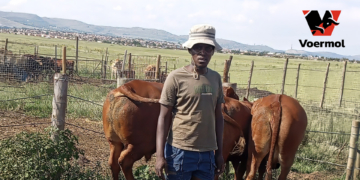
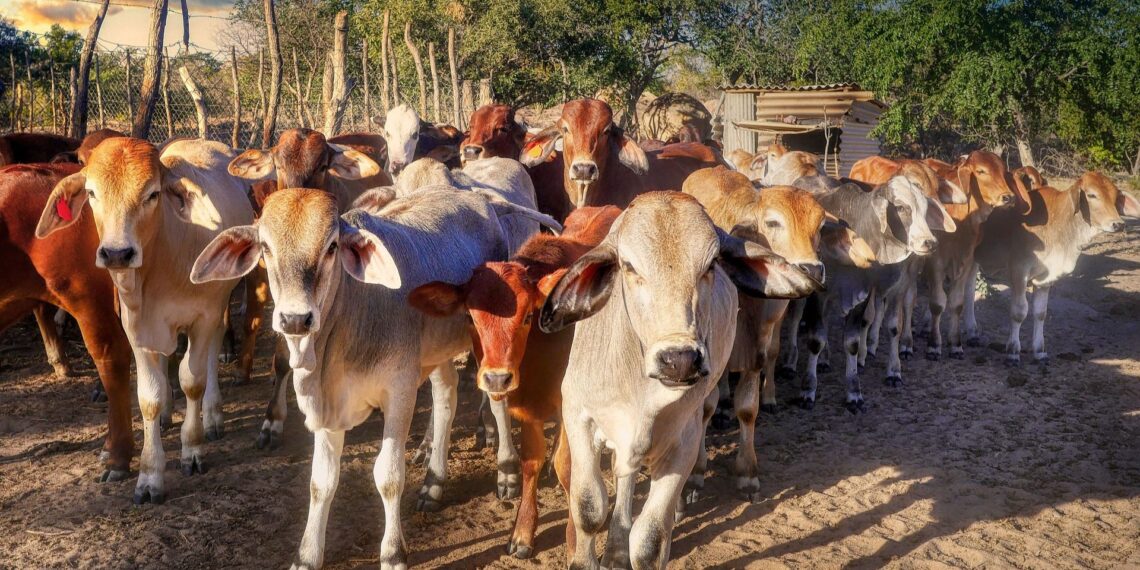
This was revealed yesterday during the release of the confidence Index results for Q2, 2026. The lingering impact of foot-and-mouth disease, which continues to impose immense financial pressure on the cattle industry, remains a major challenge despite accelerated vaccine imports.
Industry challenges driving pessimism
“Moreover, lower global prices in the sugar and wheat industries are among the key constraints that some respondents highlighted as major risks weighing on sentiment, as is the slow domestic import tariff response, which should ordinarily have provided some level of cushion.
“Meanwhile, reports that El Niño weather conditions may characterise the 2026/27 production season have added to concerns about the outlook. The current ACI level of 45 is below the 50-neutral mark, indicating that South African agribusinesses remain pessimistic about business conditions,” the report stated.
According to the Agbiz/IDC Agribusiness Confidence Index reflects the perceptions of at least 25 agribusiness decision-makers on the 10 most important aspects influencing a business in the agricultural sector (i.e. turnover, net operating income, market share, employment, capital investment, export volumes, economic growth, general agricultural conditions, debtor provision for bad debt and financing cost).
Related stories
- From survival to expansion: Agbiz Congress tackles sector growth
- SA livestock exports take massive hit amid ongoing FMD crisis
- Record-breaking campaign delivers 16 million meals to fight hunger
- SA’s pistachio industry targets 8% of global export market
“It is used by agribusiness executives, policymakers, and economists to understand perceptions of the agribusiness sector and serves as a leading indicator of agricultural output value, providing a basis for agribusinesses to support their business decisions. The capital investments subindex dropped by 20 points from Q1 2026 to 33, which is the lowest level since 2006.
“This sharp decline mirrors the sector’s general mood, driven by the factors we highlighted above, rather than overall activity. For example, farmers have continued to invest in tractors and combine harvesters, amongst other infrastructure and expansion.”
The report further stated that the sub-index measuring export volumes deteriorated by 13 points from Q1 2026 to 38 in Q2, with concerns about the impact of the Middle East conflict on logistics, along with rising shipping costs, being the primary challenges here.
“The general economic conditions subindex fell by 33 points to 28 in Q2 2026, the lowest level since Q3 2023. This is unsurprising, as the war in the Middle East has added uncertainty to macroeconomic conditions.
“On the positive side, the turnover subindex confidence increased by 17 points from Q1 2026 to 67. This was primarily driven by the maple harvest in grains, oilseeds and the various fruits and vegetables. Similarly, the net operating income subindex increased by 7 points to 50 in Q2 2026,” the report stated.
Wandile Sihlobo, chief economist at Agbiz, said while the pace of importing vaccines has been encouraging, the challenge of foot-and-mouth disease continues to linger.
“The livestock and pig industries are under immense financial pressure due to the disease, and these results reflect the challenge at hand. What remains key is a speedy vaccination process that will get us off the current worrying path.
“The cost pressures of the Middle East conflict and the increased likelihood of unfavourable weather conditions over the coming production season are top-of-mind concerns for agribusinesses,” he said.
READ NEXT: Beyond inflation: Why millions of South Africans can’t afford food