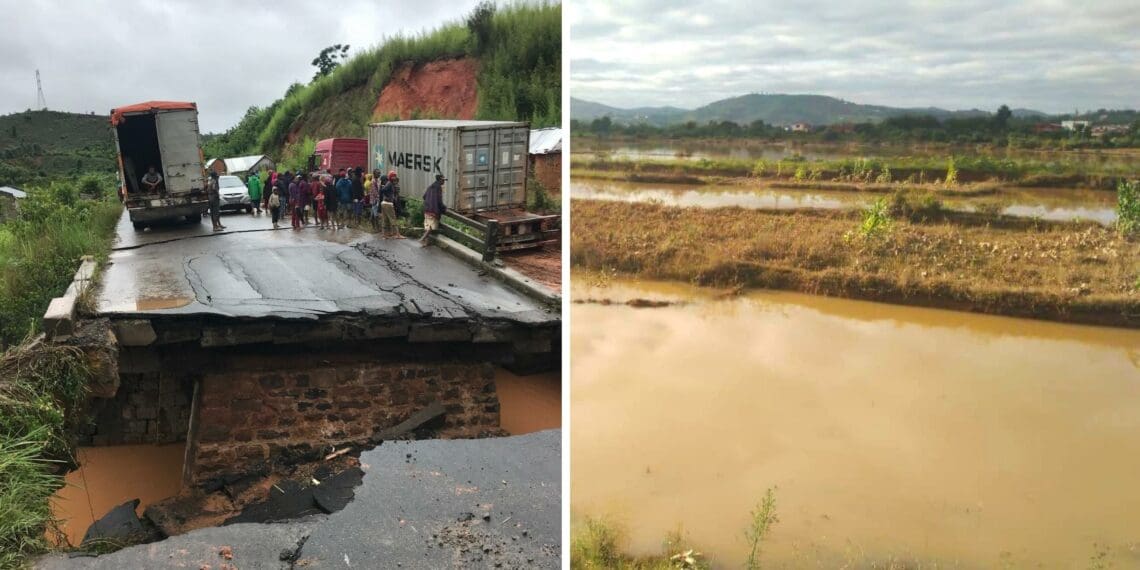
As a strategic trade partner to South Africa, Madagascar’s dealing with Cyclone Batsirai could have an impact on local exports to the island country. But although it is unclear at this stage what the extent of potential value chain disruptions will be, experts are far more concerned about food security in a neighbouring country significantly reliant on South African imports.
Madagascar is currently dealing with the aftermath of Cyclone Batsirai, which moved through the southeastern parts of the island on Friday, 4 February 2022. This was less than a month after Tropical Storm Ana slammed into the country in January. The latest figures around the human toll stand at 55 000 people displaced and at least 50 people dead.
It is reported that Madagascar’s agricultural sector has been badly affected by the two weather events, particularly in the rice industry as Madagascar’s biggest export commodity. Concerns are also growing over food shortages and food security.
The impact on food supply
Agricultural economist Thabile Nkunjana from South Africa’s National Agricultural Marketing Council (NAMC) says that, while it is still too early to determine the full effect of the storms, field crops have been seriously damaged. This is especially true for rice on the island, but also vegetables and fruit.
“These back-to-back disaster occurrences have potentially pushed a sizeable number of people into famine and the country’s food security is at serious risk.”
Agricultural economist Thabile Nkunjana
Nkunjana tells Food For Mzansi that dunes and floods have seriously damaged roads. As a result, trade and general transportation of goods, especially food, might be a challenge until some rebuilding begins.
Severe damage

Meanwhile, aid agencies have moved into affected areas. The damage in Mananjary, a city located in the Vatovavy region is reported to be severe. Pasqualina Di Sirio, country director for the World Food Programme in Madagascar, told The New York Times that in Mananjary, fruit trees had been ripped out and rice paddies had been flooded while safe drinking water was scarce.
Although Madagascar’s litchi harvest has concluded unaffected by Ana, Cyclone Batsirai had the potential to damage litchi orchards and next year’s harvest over central Madagascar, FreshPlaza was told by a South African litchi exporter.
Not all farmers were down and out, however. Rain has brought relief to many producers who welcome the greenery and natural grazing for livestock.
Madagascan trade with South Africa
Agri SA’s head of natural resources, Janse Rabie, says that it is difficult to predict the full extent of the cyclone’s impact on South Africa’s trade relations with Madagascar.

Madagascar’s imports from South Africa consist largely of sugar, which amounted to R152,1 million in 2020, beverages, spirits and vinegar (R112, 9 million), edible fruits and nuts (R19 million), and other non-agricultural products.
In turn, South Africa imports fertilisers, litchis, textiles and some mechanical appliances from Madagascar.
“It’s a difficult question… because we don’t know the extent of the impact on each specific commodity. Madagascar is known for rice, sugarcane, cassava, sweet potatoes, milk, vegetables, bananas, mangoes, guavas, tropical fruit and potatoes. They are not a significant exporter to South Africa, but they do rely quite significantly on import from us.”
Supply chain disruptions
Nkunjana doesn’t foresee a serious agricultural impact on South Africa in terms of exports and imports to the country.
However, the flow of goods into the island country could be disrupted and South Africa’s sugar and beverage, spirits and vinegar industries could feel some knock-on effect.
“The sugar industry is currently facing a couple of challenges and its export earnings have been on a declining trajectory.
“Madagascar is within the top five market destinations for South African sugar exports for the 2021 marketing year. Any difficulties to supply the country present a potential threat if the supply chain is significantly disturbed. There were reports of some areas being cut off.”
Agricultural economist Thabile Nkunjana
Nkunjana further says that, similar to sugar, there was some cause for concern in the beverages and spirits sector as the industry is still recovering from lockdowns, which had significantly affected its performance.
“Even though South Africa’s market share has declined, Madagascar is a noticeable market for South Africa’s beverages and spirits on the continent. As a result, the current situation has the potential to have a slight knock on the industry, especially if the island’s tourism industry is severely affected.”
Other than that, adds Nkunjana, from a South African perspective, “I think there shouldn’t be many concerns.”
ALSO READ: Drought in East Africa: scientists sound the alarm
Sign up for Mzansi Today: Your daily take on the news and happenings from the agriculture value chain.