Following the minimum wage increase by the government, farmers and agricultural leaders have said the hike is not in line with the current state of the economy and as such it is not sustainable for the industry.
Free State Agriculture (FSA) president Francois Wilken said the increase by the government is completely out of touch with the economic realities experienced by businesses and lacks understanding about the economic conditions in the country.
‘It is not sustainable’
“This (repeated) drastic adjustment of the national minimum wage is not only out of touch with the economic realities, but will also place a substantial burden on the sector.
“The agricultural sector has the ability to create jobs, something the country really needs at this stage. If the 32% unemployment rate is taken into account, however, it would seem as if economic realities have blown out the back door when looking at the actions of decision makers,” he said.
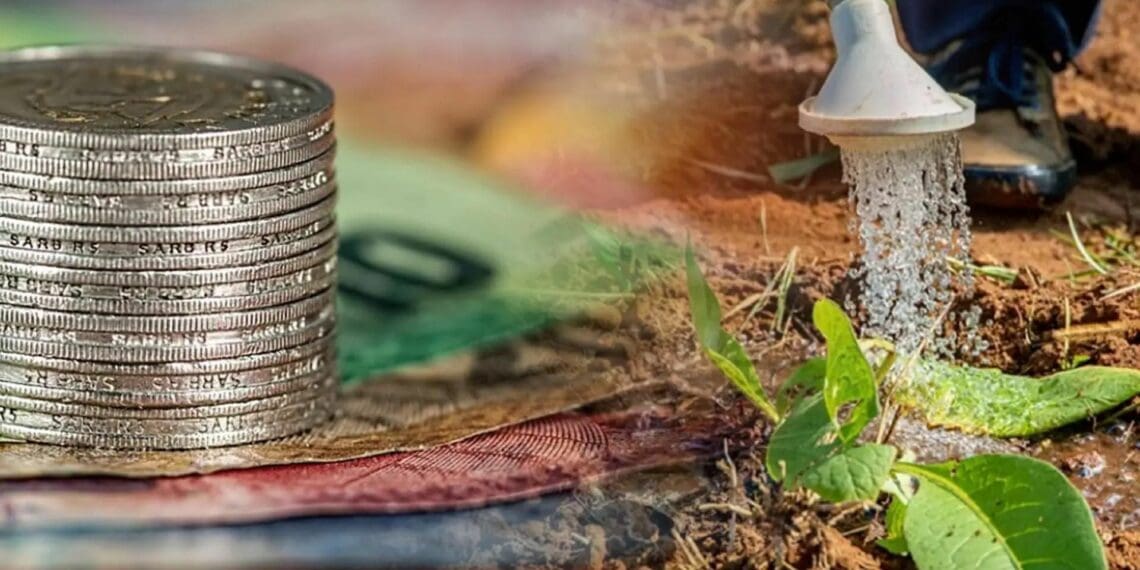
The government has approved an 8.5% adjustment of the national minimum wage effective from 01 March 2024 which would mean an increase from R25.42 to R27.58 per hour.

“It is worrying that the national minimum wage commission, in the report regarding proposed adjustments to the minimum wage, does not mention an important consideration such as productivity, something for which South Africa’s labour market is known for the wrong reasons,” he said.
Free State crop farmer Phaladi Matsole said nobody is going to afford the steep increase while faced with escalating operational costs.
“It is not like we are being difficult or giving excuses. [The] reality of the matter is that the increase is not sustainable, farmers are not coping. We really appeal to government to think for us, because this will lead to many job losses and agriculture [sector] that is not growing or creating jobs,” he said.
READ NEXT: ICYMI: Fruitful times as agri employment numbers rise
There needs to be a balance
Livestock and crop farmer Gerhard Bruwer from Genadeshoop Boerdery in Douglas in the Northern Cape, said he understands that the workers need money for survival, however, it worries him that every time there is a price increase, it has an impact on employment.
“Load shedding also contributes to this. My farm’s electricity bill has increased by 25% in the past year. My maintenance costs have gone up by 30% on my irrigation pump, vehicles, spray points, and pipelines because we start and stop so much due to load shedding.

“On the other hand, I am very concerned about the people who provide the work, the farmers and businesses. At this point, the profit margins on all agricultural products such as corn, wheat, grapes, and sunflowers are very low,” he said.
Acting national spokesperson and parliamentary coordinator of Congress of South African Trade Unions Matthew Parks said they applaud the decision by the government to hike the minimum wage.
“This increase helps protect the value of the national minimum wage and workers’ ability to take care of their families from inflation. It will inject badly needed stimulus into the economy spurring growth and helping to sustain and create jobs.
“It will provide relief to more than six million workers earning within the range. Workers in the agricultural, domestic, construction retail, hospitality, transport, security and cleaning sectors will benefit the most,” Parks said.
Meanwhile, the Transvaal Agricultural Union of South Africa general manager Bennie van Zyl said they question whether the comments that were submitted were even read and whether logical, rational arguments regarding the establishment of a minimum wage were considered and takes a stand against the decision.
READ NEXT: Land reform resolutions: A year later, is the ANC delivering?
Unemployment rife in SA
“With the ever increasing rise in unemployment numbers, the responsible choice would have been to allow market forces to regulate employment.
“The recent announcement will force businesses to make urgent decisions about their labour force to remain competitive. The question then is whether the government is truly helping employees with a minimum wage, if it may lead to job losses,” he said.
Agri Eastern Cape said in a statement that the hike is a blow for jobs in the agricultural sector and it believes not much consideration was done on how the economy was doing in Mzansi.
“The commercial agricultural sector currently deals with the worst in terms of electricity supply and poor infrastructure – notwithstanding the fact that huge amounts of money are spend on security,” the statement said.
According to Agri Eastern Cape, they are calling on government to review the entire methodology and purpose of the national minimum wage in the light of our unemployment crisis as the recent increases were simply just not sustainable.
“Agriculture had seen above inflation increases over the last decade. If above inflation increases are going to be the norm, the sector will have no option but to explore and invest in labour saving methods to stay competitive – something South Africa can ill-afford,” the statement said.
ALSO READ: Sowing the seeds: Agri training institutions gear up for 2024
Sign up for Mzansi Today: Your daily take on the news and happenings from the agriculture value chain.