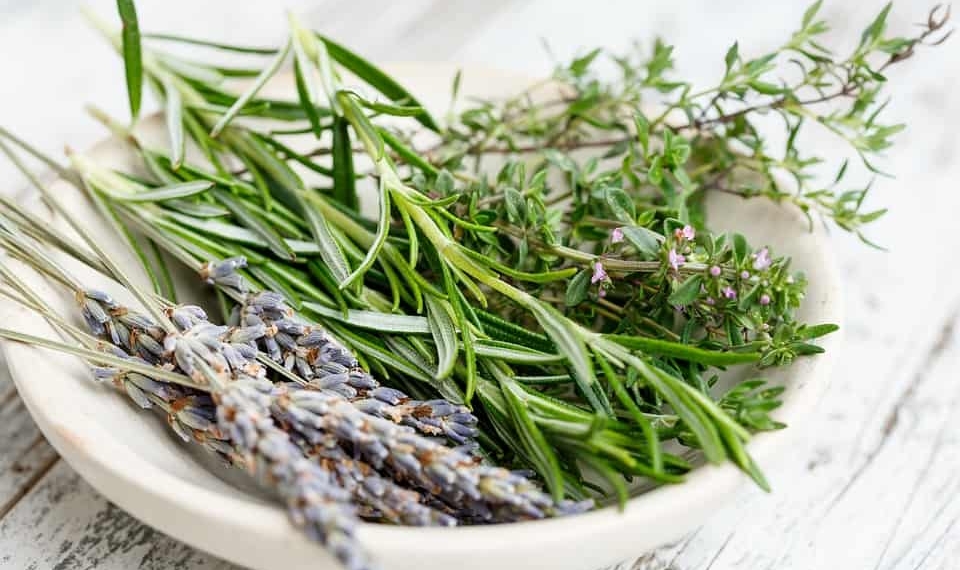
 The importance of herbs in the diet is never emphasised enough. Herbs are not just pretty green sprinkles that make food taste good, they’re jam-packed full of nutrients and come with a host of health benefits. Common elements found in herbs are volatile oils, mineral salts and bitter principles, which all add to how they benefit the body.
When used in cooking, herbs bring out interesting flavours and smells that can take food from ordinary to extraordinary. Culinary herbs are also good replacements in certain dishes for some ingredients that aren’t good for the body. For example, marjoram and thyme are good salt replacements; basil and nasturtiums are good substitutes for spicy condiments like pepper; and for sweetness-balancing herbs, lemon balm, lemon thyme or angelica are recommended. Herbs come from the leaves, flowers, roots, seeds or fruit of a plant.
“If food smells good and tastes good, then the saliva in the mouth begins to flow, which helps in the mastication of that food. The enjoyment in eating the food provides a relaxed frame of mind and body and is again helpful to the digestion.” – The Herb Book
My love for tea and realising the cost of buying “exotic tea” led me to experiment with herbs, and then I learned about their health benefits. It can be overwhelming when you start as there are so many out there and even more growing in the wild. Start with the herbs associated with something that interests you, and the learning is much easier. If you love creams and ointments, you can start your focus on herbs for skincare and try your hand at growing some of those associated with making body creams.
Here are some of my favourites to get you inspired!
1. Fennel
This anise-flavoured sweet herb with yellow flowers and feathery leaves is not to be confused with dill. With a distinct liquorice taste, the bulb, seeds and leaves are all used for their culinary and medicinal properties. Highly nutritious, fennel and its seeds are rich in nutrients like fibre, magnesium, potassium, and calcium, which are important in keeping your heart healthy.

Fibre is known to decrease the risk of heart disease since it assists to reduce the amount of bad cholesterol in the blood. The fennel bulb can be braised or grilled till tender and put into salads. The leaves can be used as a bed for meats or chopped in salads or marinades. The stalks are great in soups or stews – the same way as you would use celery stalks. The seeds and leaves also add a delicious flavour to fish dishes, hence the herb’s other name: the “fish herb”.
2. Lemon verbena
Famously known as a food flavouring and additive, this herb has made a great comeback recently for its medicinal uses. Also known as lemon beebrush, it has a lovely lemony scent which intensifies when it’s bruised.
Lemon verbena leaves and flowers can be steamed, steeped, ground or infused in oils for consumption or in preparation of scents, perfumes and potpourri.
Add a few leaves to the teapot for a delicious cup of tea, or in the cooking of fruit dishes. One customer of ours uses the leaves for tea as a sedative to help with insomnia. Another customer recommended mixing it with mint for a delicious herbal tea that I find relieves my anxieties.
3. Mint

With over 20 species in the mint family, including peppermint and spearmint, this herb is known for its attractive flowers and fragrant leaves. The aromatic scent of mint is widely favoured for use in beverages and foods, like tea and cocktails, as well as desserts, sauces and salads. Mint contains a fair amount of nutrients and is a good source of antioxidants.
Health benefits include skin and oral care, respiratory health, and can be used as a tonic for brain health and tummy ailments. I use both fresh and dry leaves for tea. It is easy to grow and usually just matures into a bush that keeps on giving, which makes it a favourite for beginner herb connoisseurs.
4. Marjoram and oregano
Both of these herbs are from the mint family. Marjoram is known for its mild, sweet flavour, and oregano tends to be pungent and spicy. Both can be used in meat or seafood marinades, in sauces, salad dressings or cooked with vegetables. Oregano is awesome in Italian dishes and an essential ingredient in many Napoletana sauces.

Although different in flavour, smell and texture, they can substitute one another in recipes. If you’re out of oregano, marjoram may be substituted with half of the amount called for of oregano. Of course, there are foodies who would disagree with this practice, but if you’re in a pinch, we think it’s a good backup! As my friend would say, when in doubt buy both.
5. Coriander
A favourite in many households, coriander is a nutrient-rich herb packed with dietary fibre, manganese, iron and magnesium. Among its many benefits listed in scientifically proven articles, coriander reduces the levels of bad cholesterol and increases the good cholesterol. It is also reported to be good for diabetes sufferers as it stimulates the secretion of insulin and in turn lowers blood sugar levels.

I like it for its high iron content which assists with anaemia. Ground coriander seeds are a vital ingredient in spice mixtures and curry powders. A customer of ours uses coriander in her green smoothies and recommends it for curries and strongly flavoured dishes like lamb. Unfortunately, being an annual, coriander is not available throughout the year in organic gardens.
A word of caution
As much as herbs are good as medicine or natural remedies, they can also be very dangerous. Many of the medicinal properties in herbs are anecdotal and passed on from generation to generation. In many instances, there is very little proven scientific research into the benefits that are widely circulated. Overdose or wrong identification can be fatal, so it is important to know exactly what you are taking and the recommended dosage. Consult a trained medical practitioner or herbalist before you replace any medication or start taking herbal remedies.