Africa’s drylands are often imagined as vast, empty spaces. Romantic wilderness on the one hand. Zones of hunger, conflict and poverty on the other. Media stories tend to emphasise crises and scarcity, portraying these regions as peripheral and fragile.
But this narrative obscures a more complex and hopeful reality. Across these landscapes, millions of pastoralists and dryland farmers are constantly adapting, innovating, and building livelihoods in some of the continent’s most variable environments.
Drylands are areas of low rainfall and high temperature that cover 60% of Africa. They support the livelihoods and food security of half a billion people who depend on pastoralism and crop farming. These regions are integral to biodiversity, culture and economies. Pastoralists alone supply over half the continent’s meat and milk, sustaining millions of households and enterprises. They underpin food systems and trade networks that reach far beyond the drylands.
Challenges impacting dryland farmers
Yet dryland people face mounting pressures. These include political marginalisation, insecure land tenure, persistent conflict and climate change. These challenges are often worsened by misguided investments and inappropriate policies. Among them are land grabs and mining concessions to rangeland conversion.
Related stories
- Climate change deepens Africa’s water crisis
- Eastern Cape farmers tackle nappy waste to save grasslands
- Mixed farming strategies key to surviving climate shocks
In addition, many initiatives in the drylands have failed to deliver lasting change despite decades of investments. Too often, they are shaped by outdated, crisis-driven narratives. These misrepresent drylands as “empty”, “unproductive”, or in need of “saving”.
Such interventions disrupt livelihoods and distort the underlying logic of dryland societies, while being used to justify yet more external investment.
For more than a decade, we have been researching dryland livelihood systems in Africa and the Arab Region. We are part of the six-year SPARC programme (Supporting Pastoralism and Agriculture in Recurrent and Protracted Crises), which informs more feasible and cost-effective policies and investments in the drylands of Africa and the Middle East. We recently produced a documentary that followed five stories of pastoralists driving positive change in Africa’s drylands.
We found that the most effective support for drylands builds on the local systems and expertise that people already rely on. Yet many external initiatives still attempt to replace these rather than work with them. This matters because efforts that overlook local systems often weaken resilience and increase vulnerability.
Why past efforts often fall short
Misconceptions about drylands define them by what they lack rather than by their strengths. They oversimplify complex, dynamic systems to rationalise interventions aimed at taming dryland variability. The result has been projects that often undermine resilience instead of strengthening it.
For example, many investments in large-scale irrigation schemes have diverted water from traditional livelihoods while failing to boost agricultural productivity.
Similarly, fixed water infrastructure such as boreholes or dams can disrupt pastoral mobility. In Turkana, northern Kenya, permanent water points contributed to resource conflicts and rangeland degradation, and many have since fallen into disuse.
These “imported” solutions rarely account for local priorities or ecological realities. That’s why dozens of boreholes lie abandoned even in areas still facing water shortages.

Limited long-term learning compounds this problem. Few organisations return to assess how previous resilience projects fared. Millions are spent on building resilience, yet there is little follow-up to understand the outcomes of past efforts.
In contrast, locally-led approaches have proven far more effective. Along the shores of Lake Turkana, joint planning between local communities and county government has produced investments people value and maintain. These include shared water systems, fishing equipment and community gardens.
These examples underline a key lesson: initiatives designed around community priorities and local governance structures are more likely to have a lasting impact.
Dynamic, adaptive and innovative
While external projects often struggle, dryland people continue to adapt in creative and diverse ways. Their resilience is rooted in mobility, cooperation and environmental knowledge passed down through generations.
Pastoralists and farmers have developed finely tuned strategies for living with this variability, such as unpredictable rainfall, recurrent droughts and occasional floods. They move herds, manage grazing and water resources, diversify incomes, and draw on social networks that spread risk.
Mobility and flexibility are central. Herders move strategically across rangelands to access water and pasture, balancing environmental and social factors in real time. In flood-prone Bor, South Sudan, many Dinka women shift seasonally from livestock to fish preservation and trade.
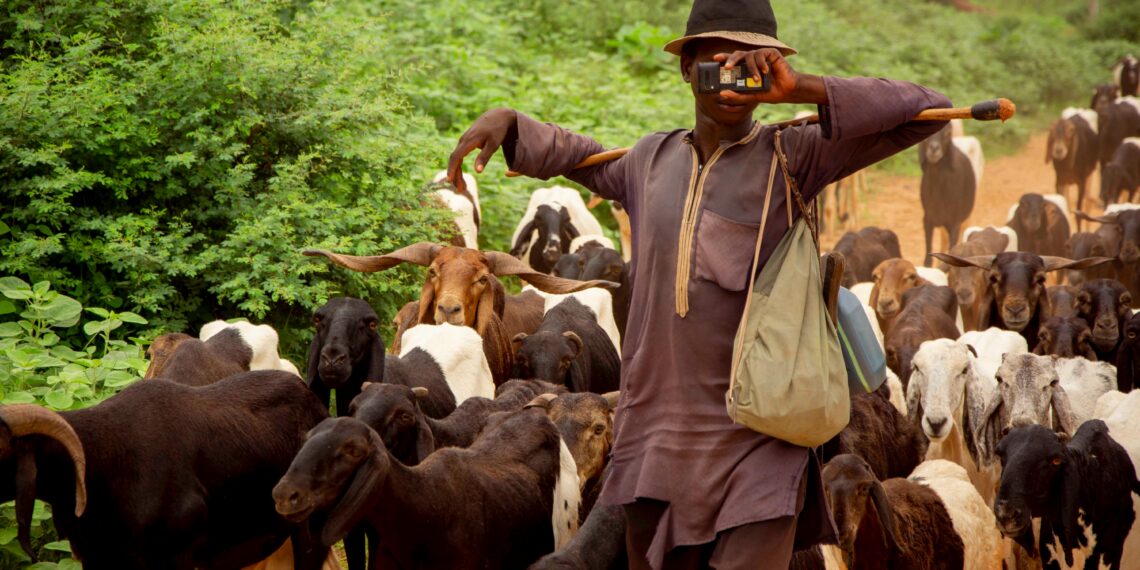
Pastoralists also embrace digital technology, dispelling myths of technological illiteracy. Herders use mobile phones, social media, and digital tools such as Kaznet and Afriscout to locate water and monitor pasture.
Initiatives like Livestock247 – a livestock traceability and marketing platform – show how tech can open markets and improve herd management when aligned with pastoralist social values and practices.
Informal networks are another cornerstone of resilience. Motorbike riders scout for pasture during droughts, local traders offer credit to women, lorry drivers deliver goods to remote areas, and mobile money agents keep remittances flowing. In times of crisis, these social and economic linkages often provide more reliable safety nets than formal aid systems.

Rethinking support: building on what works
If governments, donors and development partners are serious about helping Africa’s drylands become more peaceful, prosperous and resilient, they must start by recognising the expertise, agency and innovation that already exist.
Effective support means investing in – and strengthening – the systems that already work rather than replacing them with rigid, top-down solutions. These include mobility, local governance, informal trade, and indigenous knowledge
Empowering women and youth is key. When given opportunities and resources, they are often the first to innovate, diversify livelihoods and rebuild communities after crises.
Iterative, context-specific efforts strengthen resilience in the drylands, not rapid, transformational change. Small-scale, locally-grounded efforts can have a lasting impact. In many post-conflict recovery examples, smallholders steadily rebuilt agriculture through gradual improvements in seeds, fertilisers and tools. They do this with minimal government support.
Building resilience in drylands is not a technical fix. It requires flexibility, listening, and partnership over control and prescription.
2026 is the International Year of Rangelands and Pastoralists (IYRP). It is a year for highlighting the importance of drylands for food security, biodiversity and sustainable livelihoods, and for elevating pastoralists’ contribution and influence over policy and investment priorities. It offers an opportunity to shift the narratives from outdated myths of scarcity and crises to those that champion the agency, knowledge and resilience of dryland people.
This requires sustained commitment – placing dryland communities at the centre of decisions, nurturing their innovations, and resisting attempts to impose incompatible models.
A new story of Africa’s drylands is emerging, one grounded in respect, recognition and partnership. One worth amplifying for a more peaceful, resilient and prosperous future.
- This article was first published by The Conversation.
READ NEXT: Climate summit: SA’s food future rests on small-scale farmers