Climate change affects everyone, but not equally. For marginalised communities, especially LGBTQI+ and rural communities, the impact is more severe. When disasters force people into temporary shelters, safety and dignity are not guaranteed.
These spaces often lack privacy and fail to take into account what queer people need to feel safe and respected. Shared facilities can be uncomfortable for anyone, but for LGBTQI people, they can be dangerous. Stigma, harassment, and even violence turn what should be a refuge into a place of fear.
In rural and farming communities, these challenges are often magnified, as local resources are limited and disaster response can be slower. Understanding these vulnerabilities is key to building resilient food systems that leave no one behind.
Vulnerable communities face greater challenges
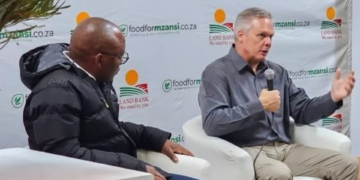
Stephen Greenberg, who works in social research, analysis and development facilitation within NGO networks on agroecology and food systems, says the impact of climate change is not general.
He says different people in different places will have different experiences. In the context of agriculture, this means farmers, farmworkers, and rural households will experience varying degrees of drought, flooding, or heat stress, affecting both livelihoods and food security.
Overall, South Africa is anticipated to be hotter and drier in most parts of the country, especially the south west (Western and Northern Cape) and the north east (Limpopo and Mpumalanga), and wetter on the east coast (KwaZulu-Natal and Eastern Cape) with more regular extreme weather events such as droughts, floods and heavy storms.
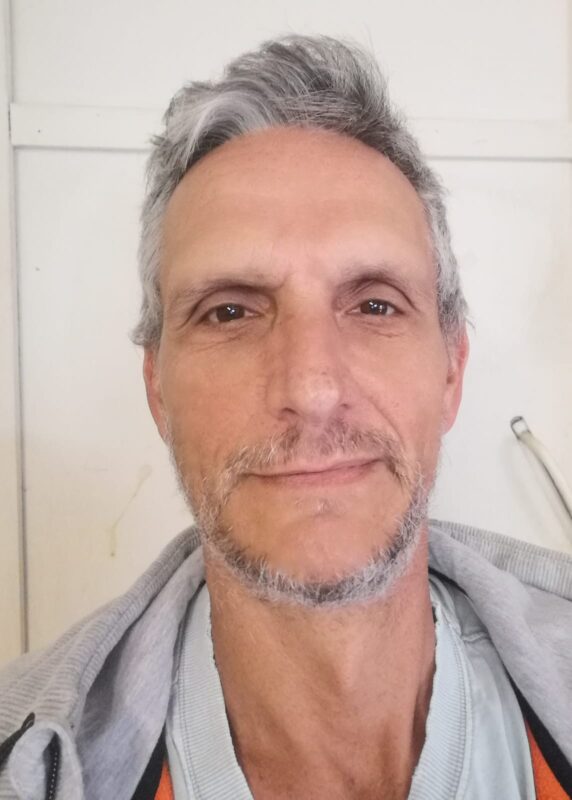
He says, “The specific impacts at the local level will be unique, and therefore local analysis and response will be needed.” Greenberg adds that people with fewer resources will face more difficulty in adapting.
“If there are floods, people living in rudimentary housing could lose their houses. People without sufficient financial reserves could struggle to recover from shocks caused by disasters.”
Stephen Greenberg
He notes that people with poor health or compromised immune systems will struggle with extreme heat or cold, as well as new diseases that will emerge with a changing climate. People with inadequate access to water infrastructure or clean water will struggle in conditions where water will become more scarce and prone to privatisation by those with resources to pay for infrastructure and services.
Meanwhile, Bonani Rasmeni, a facilitator with Langa For Men from Langa township in Cape Town, says that although he has seen disasters, they affect people differently, especially those whom the community has not yet accepted.
Related stories
- Climate change resilience: Practical strategies for farmers
- Climate extremes cripple Cape Town’s kasi farmers
- Drought, floods, and dry taps: ‘It’s too much,’ say EC farmers
- Indigenous crops: The climate-smart superfoods we need
In agricultural communities, shared shelters or relief facilities often serve farmworkers or seasonal labourers. Rasmeni’s insights highlight that even within emergency response, inclusivity is not guaranteed.
He explains that shared spaces can become chaotic instead of peaceful. Rasmeni notes that he has yet to see inclusivity benefiting all people, especially those in the LGBTI community.
“Sometimes it’s mockery that makes things worse, not only through stigmatisation but also because it creates an advantage for others,” he says.
Bonani Rasmeni
“Even when some people welcome them, if the majority feels unsafe and uncomfortable with them, that creates segregation even in times of need.”
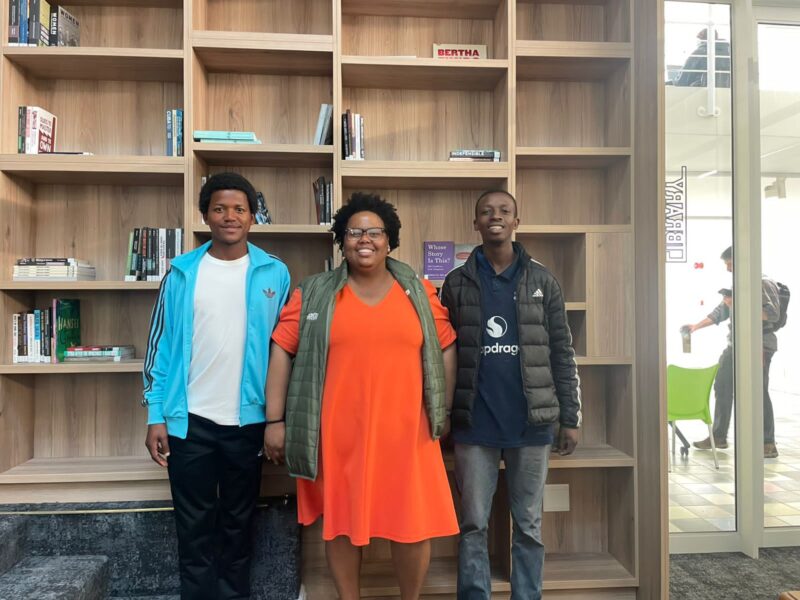
Photo: Supplied/Food For Mzansi
He further suggests that communities need to include the LGBTQI community and pay attention to how they are put at risk.
In rural and farming areas, these insights underline the importance of inclusive planning in disaster management, food relief, and community agriculture projects.
Intersectionality and climate justice
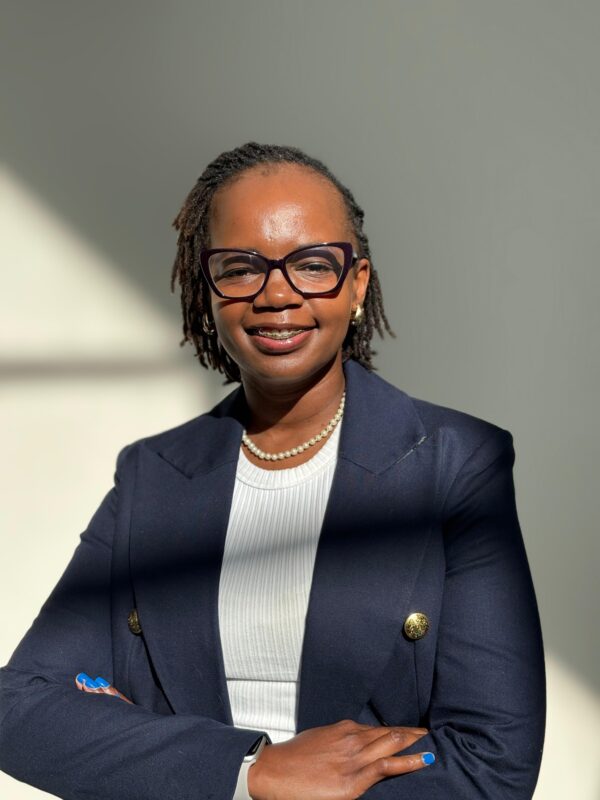
For many LGBTI+ individuals, especially in rural or low-income areas, access to safe housing, healthcare, and employment is already limited, says Xoli Fuyani, the environmentalist and founder of Blackgirls Rising.
She explains that in South Africa, where inequality is deeply rooted in social and economic systems, marginalised groups, including the LGBTI+ community, often experience the harshest impacts of climate change.
“When climate disasters like floods, heatwaves, or droughts strike, these vulnerabilities deepen.”
Xoli Fuyani
For example, she shares with Food For Mzansi:
- Displacement and homelessness: After extreme weather events, people can face discrimination in emergency shelters or community relief spaces, being turned away or harassed because of their identity.
- Economic exclusion: Climate shocks hit informal sectors first, where many queer youth and gender-diverse individuals find work due to formal employment discrimination. Losing income without social protection increases poverty and food insecurity.
- Health impacts: Climate-related stress, water scarcity, and pollution worsen existing health inequalities. LGBTQI+ people, already facing barriers in public health systems, are often the last to receive support when resources are strained.
- Safety and mental health: Climate instability often brings migration and social tension. In such conditions, hate crimes and gender-based violence can rise, increasing psychological stress and trauma within queer communities.
Fuyani notes that at Blackgirls Rising, they have seen how intersectionality – the way gender, race, class, and sexuality overlap – plays a key role in how young people experience the climate crisis.
In the context of food systems, this intersectionality also affects who has access to land, water, and agricultural support. Climate justice is therefore inseparable from social and economic justice in rural areas.
READ NEXT: Goat and sheep farmers breed smarter to beat climate stress
The way forward
Their work with young women and gender-diverse youth highlights that climate justice must include social justice. For Fuyani, protecting the planet means protecting all people, especially those historically excluded from decision-making.
“We create safe spaces for dialogue, empower young changemakers, and connect environmental awareness with issues of identity and belonging.”
Fuyani adds that youth-led, inclusive climate action is the way forward. For farmers, farmworkers, and community leaders, this means actively listening to marginalised voices when planning climate-resilient agricultural strategies.
When young people, including LGBTQI voices, are heard in climate conversations, the solutions become more just, more compassionate, and more sustainable.
READ NEXT: Trees: More than shade – a climate change ally