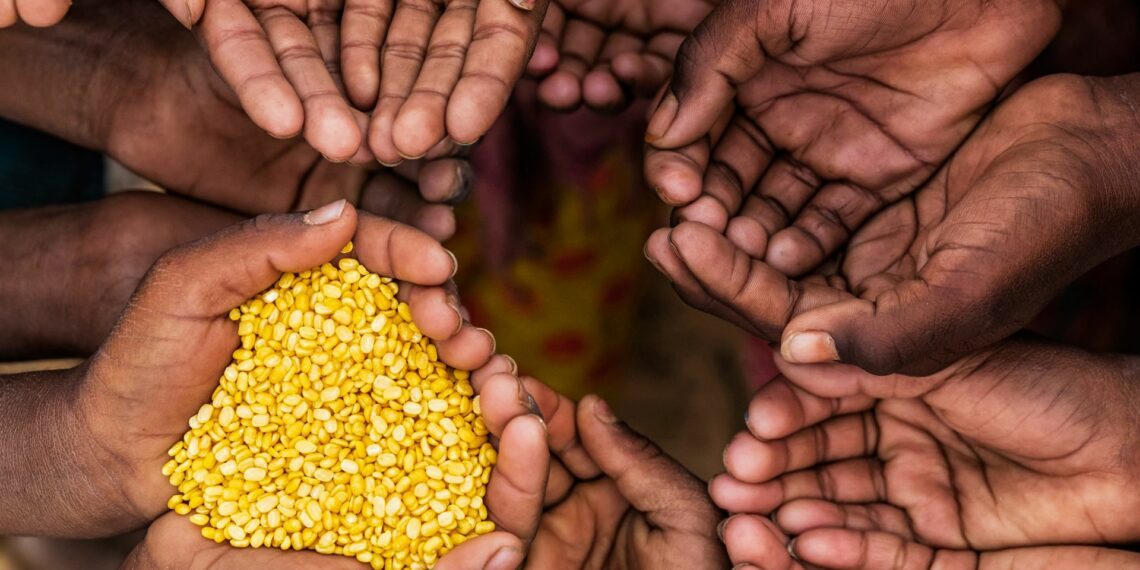
The South African Human Rights Commission (SAHRC) has cited grave concerns regarding hunger and food insecurity in the country, following its inquiry on the matter months ago. The inquiry is expected to reconvene next month to further probe the question of food security and to seek solutions.
In a statement, the SAHRC said issues arising through the inquiry process include food affordability, concentration within food systems, and unequal access to land.
“Vulnerabilities affecting farm dwellers and informal settlements, climate and environmental pressures, and the broader relationship between food insecurity, dignity and socio-economic exclusion are among other issues.
“This includes strengthening access to land, improving accountability across food systems, including amongst major retailers, suppliers and large commercial agricultural actors, and confronting the concentration of power in food production and distribution networks,” the commission said.
Socio economic challenges
The commission further noted concerns regarding the increasing displacement of indigenous farming knowledge, traditional seed systems and small-scale agricultural practices by highly commercialised and industrial farming models dependent on imported seeds, chemical-intensive pesticides and monoculture production.
“These dynamics have broader implications for food quality, nutritional access, community resilience and the long-term ability of vulnerable communities to exercise meaningful control over food production systems.”
According to the commission, the persistence of hunger in South Africa cannot be separated from broader structural conditions, including unemployment, rising food costs, spatial inequality, land dispossession, inadequate access to productive resources and increasing vulnerability within food systems resulting from worsening climate change conditions.
“South Africa’s obligations in relation to hunger, poverty and food insecurity arise not only from the constitution, but also from regional and international human rights commitments undertaken by the state.
- SA’s water crisis puts farmers and food security at risk
- Biosecurity and food security top Steenhuisen’s budget agenda
- Alarming drop in food security sparks child hunger crisis
- North West and Land Bank partner to boost emerging farmers
“Through its ongoing National Inquiry into the Food Systems of South Africa, the commission continues to engage a broad range of stakeholders, including affected communities, government departments, civil society organisations, academics, researchers and the private sector, in order to better understand the structural drivers of food insecurity and barriers to equitable access to food in South Africa.”
Food affordability crisis
The Pietermaritzburg Economic Justice and Dignity, in their monthly report of May for household food affordability, stated that families living on low incomes may underspend on basic nutritional food by a minimum of 17% (R1 154.96).
“It means that the nutritional health and well-being of households is far worse than that shown by the household food basket, and that the economic situation households face, with its attendant food crisis in homes, is much deeper.
“As financial and economic circumstances worsen, so too does household health and nutrition. The gap between what
women are able to buy for their families and what they need to buy for proper nutrition widens,” the report stated.
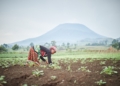
A crop farmer from Winterveld in Pretoria, Dineo Mphahele, said that for the country to fight food insecurity and ensure that there is food in households, food gardening should be instilled.
“I think also schools play a key role in this; schools nowadays no longer have food gardens. This is where the learning starts. Unfortunately, we cannot engage on this matter with older people; we need to start at a young age.
“Access to land cannot be overemphasised. For food to grow, there is a need for land to be made available; a plea goes to traditional leaders, release the land for people to farm. We cannot go and look for land in the cities; the land is in rural areas where farming is needed,” she said.
READ NEXT: State delays choke SA’s multi-billion rand poultry export potential