Sunday, October 11, 2026
SUBSCRIBE
22 GLOBAL MEDIA AWARDS
Food For Mzansi
  • News
  • Changemakers
  • Lifestyle
  • Farmer’s Inside Track
  • Food for Thought
No Result
View All Result
  • News
  • Changemakers
  • Lifestyle
  • Farmer’s Inside Track
  • Food for Thought
No Result
View All Result
Food For Mzansi
No Result
View All Result
in News

KZN beef specialist shares tips to grow herd

Want a more efficient cowherd? It all starts with genetics, says KZN cattle enthusiast Ndumiso Gule, who recently hosted a practical course on the subject in Pietermaritzburg

by Noluthando Ngcakani
20th October 2022
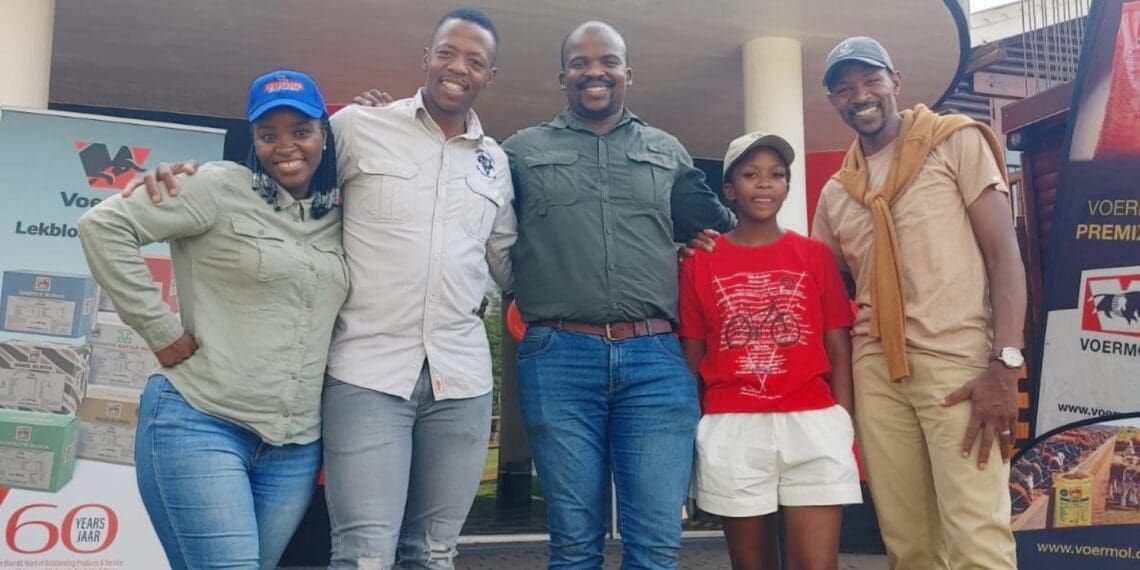
Cattle enthusiast Ndumiso Gule hosted a one-day training session in beef selection and genetics in Pietermaritzburg. Photo: Supplied/Food For Mzansi

Cattle enthusiast Ndumiso Gule hosted a one-day training session in beef selection and genetics in Pietermaritzburg. Photo: Supplied/Food For Mzansi

Share on FacebookShare on TwitterShare on WhatsApp

Optimal reproductive performance is of paramount importance for the success of a beef cattle enterprise, says founder of Gule Agri Consulting Ndumiso Gule. He hosted a one-day practical course in beef selection and genetics early this month in Pietermaritzburg, KwaZulu-Natal.

“If you invest money and use a good bull, then you are assured that the progeny will be better than their mother’s and you will be breeding progressively,” says Gule.

There is no question about Gule’s unmatched passion and energy for the development of black farmers. Gule Agri Consulting is a 100% black owned AgriSETA accredited company specialising in livestock production skills and knowledge transfer.

He adds, “the main core of the course was genetics and selecting the right bull [because] we are all breeding towards profitability.”

Gule Agri Consulting is also a member of the Beefmaster Breeders Council. It is currently working toward improving beef production for new age farmers to supply export markets. Gule is firm in his belief that economic transformation is possible through improving farming.

Ndumiso Gule is the assistant farm manager and beef section manager of Baynesfield Estate in KwaZulu Natal.

It’s all in the breed

At the one-day session, Gule shared expertise and insights on how farmers can help their cattle breeds thrive in different environments in Mzansi, as well as tips to identify top breeding bulls at auctions. He also unpacked how size is everything when it comes to selecting a bull to build a thriving herd.

“We had a discussion around matching the right type of beef animal with the right type of environment. It is not only about adapting but it is also about increasing production,” he says.

“Before we chase the growth figures and the performance, an animal must first adapt in that environment.”

Gule also tells Food For Mzansi, “Indigenous breeds like the bos indicas breeds play a huge role in the [KZN] environment because they bring in the hardiness as well as the adaptability, whereas the European breeds which fall under the bos taurus type, bring in the meat production and the milk from the females.”

Injabulo yomuntu ikuyena umuntu… pic.twitter.com/pXJC5jqly9

— Ndumiso Gule (@NdumisoGule1) October 17, 2022

The bigger, the better

Purebred breeders strive for the perfect reproductive bull and go to great measures to select for scrotal size.

Gule explains that it has long been accepted that scrotal size is a good measure of sperm production. He emphasises that larger testicles generally should produce more sperm, making the bull more fertile. “The bigger the testicles, the better the bull’s ability to mate with many females,” he says.

“We don’t like a bull that is below 36cm (scrotal circumference), we really like a bull that is above 38 or 40cm – those are the bulls we want [at auctions.]”

While the future of farming is female, Gule says that good genetics from the bulls in your herd are what matters the most when it comes to making it big in the cattle industry.

“The bull determines the direction of the herd. If you use a bad bull and you don’t cull or sell off its progeny, you will have those bad genetics in your herd for a minimum of 12 years, unless you cull everything.

“When we want to improve genetics in our herds, we do not sell all of our cattle, we buy a bull and we change genetics using a bull,” he says.

ALSO READ: Farming is hard work, says 29-year-old livestock enthusiast

Sign up for Farmer’s Inside Track: Join our exclusive platform for new entrants into farming and agri-business, with newsletters and podcasts. 

Noluthando Ngcakani

With roots in the Northern Cape, this Kimberley Diamond has had a passion for telling human interest stories since she could speak her first words. A foodie by heart, she began her journalistic career as an intern at the SABC where she discovered her love for telling agricultural, community and nature related stories. Not a stranger to a challenge Ngcakani will go above and beyond to tell your truth.

Tags: Cattle farmingKwaZulu-Natal
AgriCareers

Phelisa Ndayi brings soil science and smart tech to Mzansi farmers

by Vateka Halile
8th October 2026

Phelisa Ndayi went from being set back four grades after moving from the Eastern Cape to Johannesburg to becoming an...

Read moreDetails

Agri Skills Transfer: Where agriculture meets opportunity

8th October 2026
Unlocking the economic and nutritional power of the fifth quarter

Unlocking the economic and nutritional power of the fifth quarter

8th October 2026
Prepare your livestock for a drier 2026/27 breeding season

Prepare your livestock for a drier 2026/27 breeding season

8th October 2026
NW government boosts Taung lucerne farmers with new packhouse

NW government boosts Taung lucerne farmers with new packhouse

8th October 2026

Got an agribusiness ready to grow? Agda wants to hear your pitch

Beyond survivalist farming: The urgent need for a poultry revolution

Rising from storm loss: Sinethemba Gebashe’s egg triumph

Unlocking the economic and nutritional power of the fifth quarter

Mastering foreign exchange: Smart strategies for SA agri exporters

Join Food For Mzansi's WhatsApp channel for the latest updates!

JOIN NOW!
Next Post

This #SoilSista believes in the power of farming

THE NEW FACE OF SOUTH AFRICAN AGRICULTURE

With 21 global awards in the first six years of its existence, Food For Mzansi is much more than an agriculture publication. It is a movement, unashamedly saluting the unsung heroes of South African agriculture. We believe in the power of agriculture to promote nation building and social cohesion by telling stories that are often overlooked by broader society.

From five fish to a commercial farm: Meet the AWSA !Xhariep winners

Booberries campaign brings breast health to Checkers shelves

Crucial management habits every livestock farmer must practice

Energy shock, weather risks drive operational costs for SA farmers

Hope restored as Land Bank secures R500m to end funding freeze

Young Lady Grey farmer diversifies from broilers to shisanyama

  • Awards & Global Impact
  • Our Story
  • Contact Us
  • Cookie Policy
  • Privacy Policy
  • Copyright

Contact us
Office: +27 21 879 1824
News: info@foodformzansi.co.za
Advertising: sales@foodformzansi.co.za

Contact us
Office: +27 21 879 1824
News: info@foodformzansi.co.za
Advertising: sales@foodformzansi.co.za

  • Awards & Global Impact
  • Our Story
  • Contact Us
  • Cookie Policy
  • Privacy Policy
  • Copyright

Chat Options

I'm Lerato, your AI assistant!
No Result
View All Result
  • News
  • Changemakers
  • Lifestyle
  • Farmer’s Inside Track
  • Food for Thought

Copyright © 2024 Food for Mzansi