“As a farmer, you need to understand your market. Before you plant, you must comprehend the market first. This way, the market will inform you of the required quantities, and then you can plan accordingly. You don’t simply plant.”
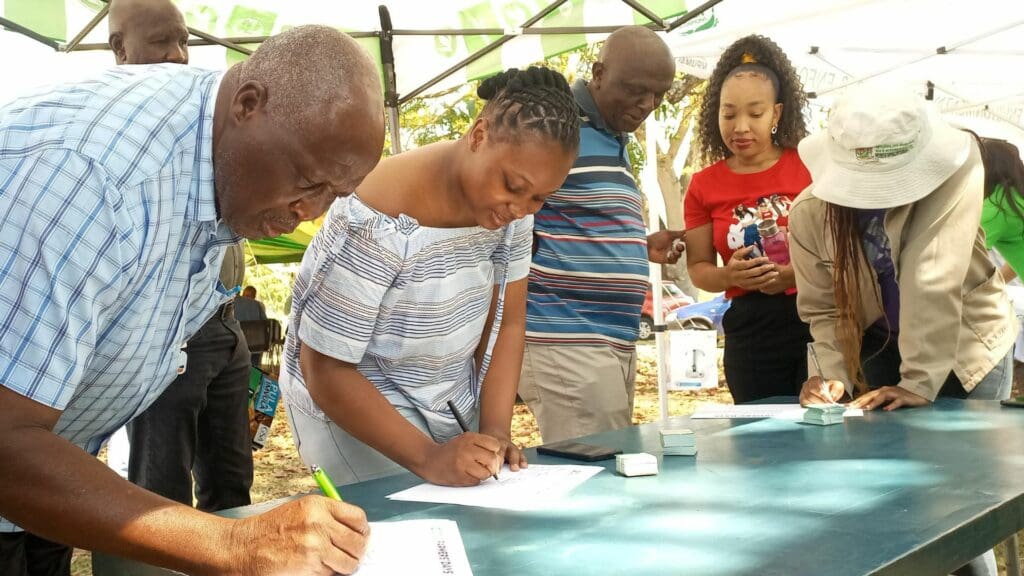
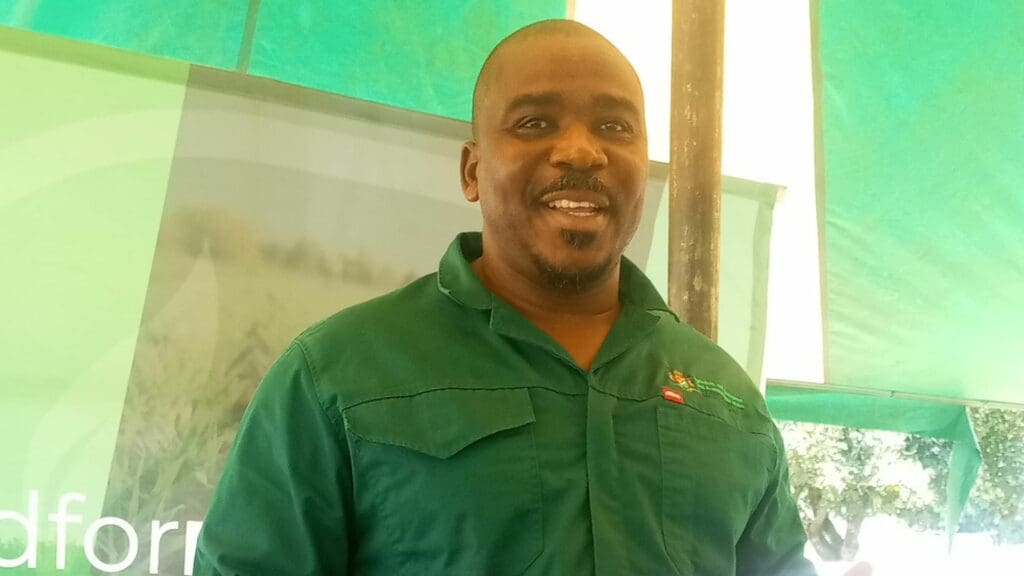
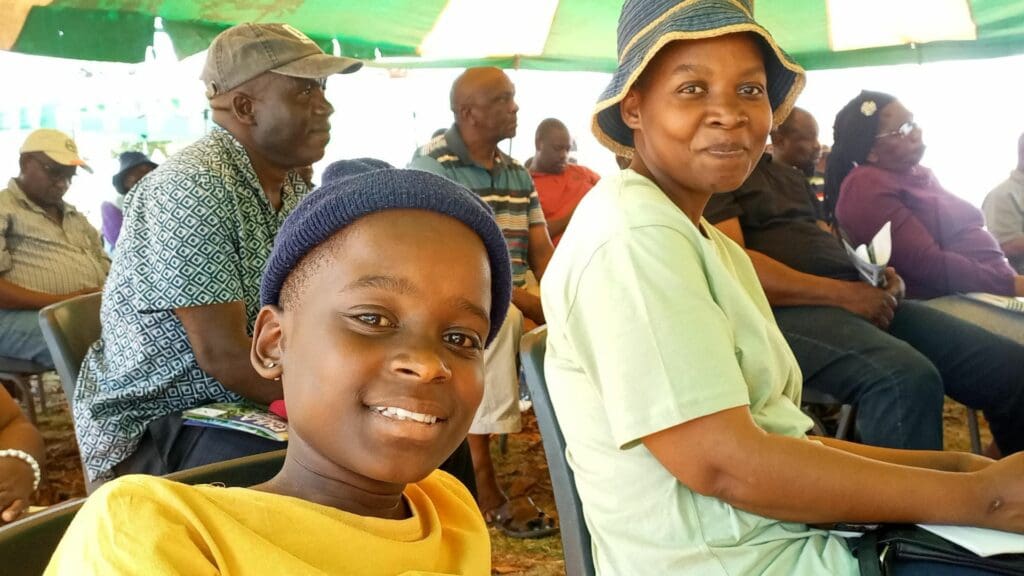
These words, spoken by Goodwill Mbenyane, host farmer of Food For Mzansi’s Mpumalanga farmers’ day, resonated deeply with the nearly 100 farmers who attended the event in White River this week.
Mbenyane explained that many new-era farmers still face financial challenges because they are hesitant to be transparent. He stressed the importance of being open about financial records so that institutions like Land Bank can analyse their applications when they do require financial assistance.
“To be honest, it’s not easy to operate in this manner. Farmers must realise the importance of maintaining records so that they can use them as collateral when they need funding in the future,” he added.

In their presentation about Land Bank’s diverse financial offering for farmers, representatives Ntombikayise Ruiters, Maredi Tsabadi, and Molly Lukhele highlighted options like the blended finance programme, Agro-Energy Fund, and standard financing.
Blended finance – a joint initiative with the department of agriculture, land reform and rural development – includes a grant portion which is not repayable by the farmer. This is also the case with the newly-launched Agro-Energy Fund.
“For the two funding options with grants, you need to qualify and be a South African citizen over 18, and for blended finance, you need to [specifically] be a black South African. For the Agro-Energy fund, we select applicants across the board, similar to normal financing,” they said.

Starting on the right path
Echoing similar sentiments to Mbenyane, organic crop farmer Nkhensani Dhlamini from Hazy View, Mpumalanga, highlighted the backward approach adopted by many farmers. Instead of commencing with the crucial first step – securing a market – they plant and harvest without having a buyer in place.
“We work in reverse, not forwards. We fail to identify potential buyers for our produce. For example, you might want to plant cabbage, but the market might not be interested in cabbage, or they might have specific preferences. It is essential to identify such nuances, focusing on individual customers, especially as a start-up farmer,” she explained.
Dhlamini emphasised the significance of product presentation, stressing the need to confirm these aspects with the market. According to her, getting these details right ensures consistent business growth, as farmers can meet market demands effectively.

Fostering agricultural advancement
Meanwhile, Musa Magagula, a crop farmer from Kanyamazane, expressed his satisfaction with the Food For Mzansi event, attributing it to the valuable insights gained from the speakers and presentations. He underscored the importance of shared information among farmers, acknowledging the knowledge he acquired.
“This gathering has immensely benefitted us farmers because we have exchanged valuable information. I have no regrets about leaving my farm to attend this event,” he affirmed.
Magagula firmly believes that maintaining good market access hinges on the quality of his produce. Quality holds paramount importance for him, compelling him to meticulously care for his plants, ensuring they remain lush and green to delight his clients.
“Maintaining high quality is key to retaining a market. Quality is non-negotiable; it’s the cornerstone of marketability and speaks for itself,” he said.
Magagula also emphasised the critical role of sound finances. He stressed, “Having strong financial stability is essential because it not only enables profitable returns but also allows for continual improvement in crop quality. This, in turn, safeguards your market and secures long-term success for your farm.”
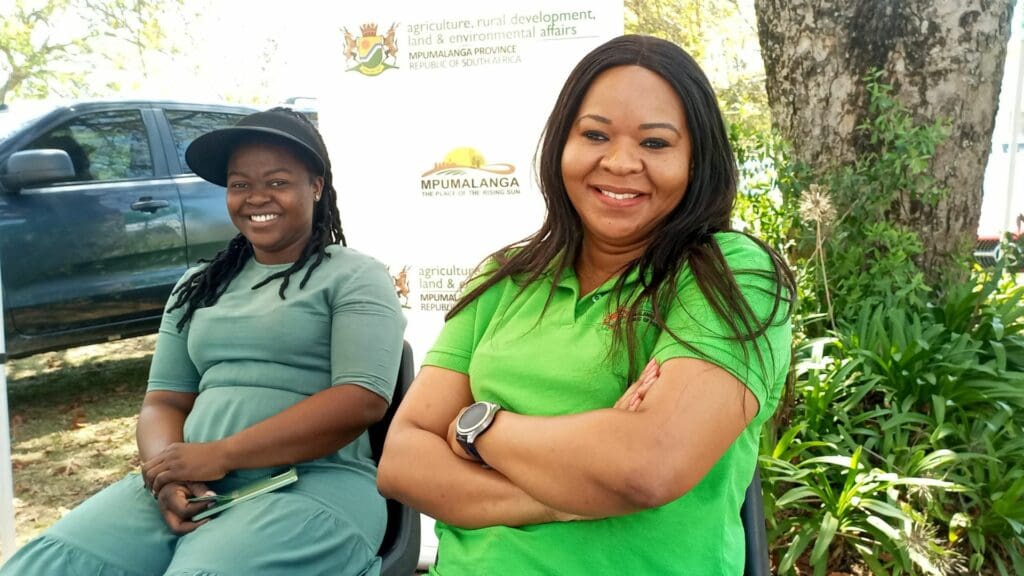
Food For Mzansi’s series of provincial farmers’ days are presented in partnership with Youth in Agriculture and Rural Development (Yard). Its partners at the White River event included the Mpumalanga department of agriculture, rural development, land and environmental affairs, as well as AgriSETA, Land Bank, AECI Plant Health, Khula!, and Grain SA.

Also part of the speakers panel was the Henry Ndlovu, district director for the Mpumalanga department of agriculture, rural development, land and environmental affairs in the Ehlanzeni Region, who told farmers about different funding opportunities that can be found through government.
Following Ndlovu, AgriSETA assistant manager of rural development, Tsepo Ndlangamandla detailed to farmers ways they can access different funding opportunities for co-ops, SMMEs, trusts and CPAs.
ALSO READ: Ayeye! 200 young farmers shine at North West farmers’ day
Sign up for Farmer’s Inside Track: Join our exclusive platform for new entrants into farming and agri-business, with newsletters and podcasts