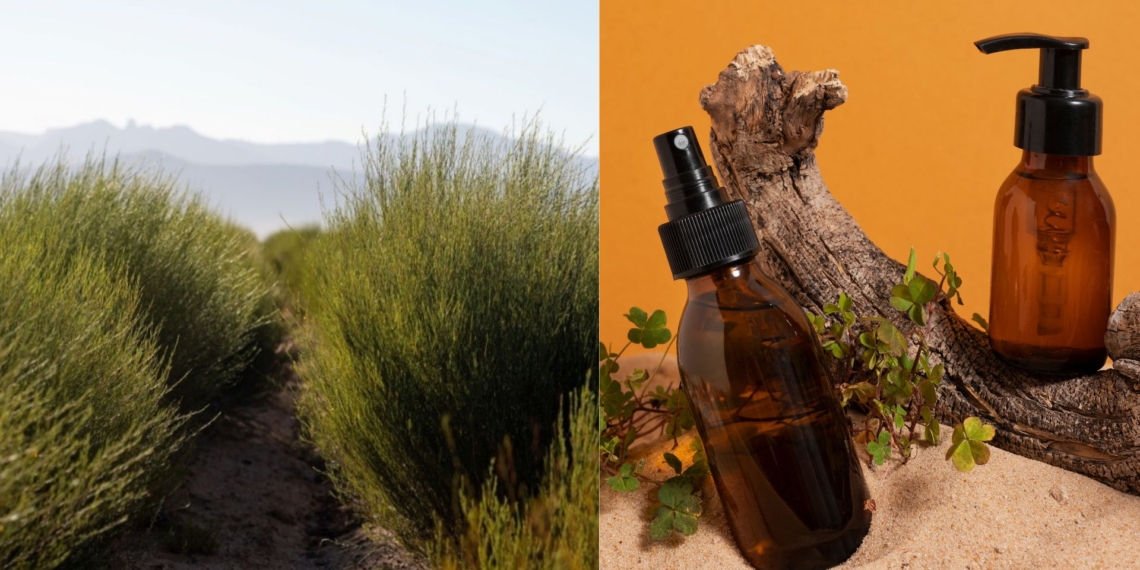
Agroprocessing drives growth in agriculture, and a new wave of agripreneurs is exploring diverse products, with cosmetics gaining traction. Rooibos, indigenous to Mzansi and known for its health benefits, offers potential for meaningful, locally produced skincare.
With the right approach and practical strategies, agripreneurs can turn rooibos into strong, sustainable cosmetic businesses that combine local roots with global appeal.
Most small agripreneurs partner with contract manufacturers and formulation labs instead of doing everything themselves, said Adele du Toit, spokesperson for the Rooibos Council South Africa. This reduces upfront costs and complexity, allowing focus on branding, positioning and route-to-market.
“In many cases entrepreneurs do not work directly with rooibos as we know it, but rather with rooibos extracts which are then incorporated into cosmetic formulations in a controlled and standardised way,” Du Toit explained.
Rooibos drives skincare opportunities
She said there is strong potential in high-potency green rooibos formulations, especially for sensitive or problem-prone skin. “Brands that combine topical skincare with wellness or ‘inside-out’ approaches are also gaining traction.”
Beyond finished products, she added, there is growing opportunity in supplying high-quality, standardised rooibos extracts to global cosmetic brands, positioning it as a competitive functional ingredient.
“Key export markets for clean and nature-based skincare largely mirror rooibos’ established tisane export destinations,” Du Toit noted that the EU leads demand for sustainable, traceable ingredients, Japan favours high-quality botanicals, and China shows growth in premium natural skincare. South Africa’s local market is also expanding.

“Rooibos is rich in unique antioxidants like aspalathin and other flavonoids, which help neutralise free radicals and reduce inflammation – key contributors to premature skin ageing and sensitivity.”
This makes it well suited for soothing and protective skincare. “However, these compounds are sensitive to heat, light and oxidation. If not carefully processed and stabilised, much of their potency can be lost.”
Related stories
- Rooibos powers wellness trend among Gen Z and Millennials
- Rooibos: The heart-healthy tea that’s backed by science
- Rooibos remedy leads couple to create thriving skincare line
The gap between idea and execution
One of the biggest challenges is access to high-quality extraction and formulation capabilities, which can be costly and technically demanding for agripreneurs entering the rooibos space, said Du Toit.
“In addition, navigating cosmetic regulations, especially for export markets, can be complex, and standing out in a crowded ‘natural skincare’ space requires more than just a good ingredient story.”
She added, “Credibility and differentiation are essential, brands that invest in clinical validation, even at a small scale, are far more likely to stand out.”
On processing, she said the key difference lies in the goal. “Tisane production prioritises flavour and colour, while skincare prioritises preserving bioactive compounds. Traditional red rooibos is fermented (oxidised), which enhances taste, but reduces some of its most potent antioxidants.”
For skincare, producers use “green” (unfermented) rooibos and gentler methods to retain beneficial compounds.
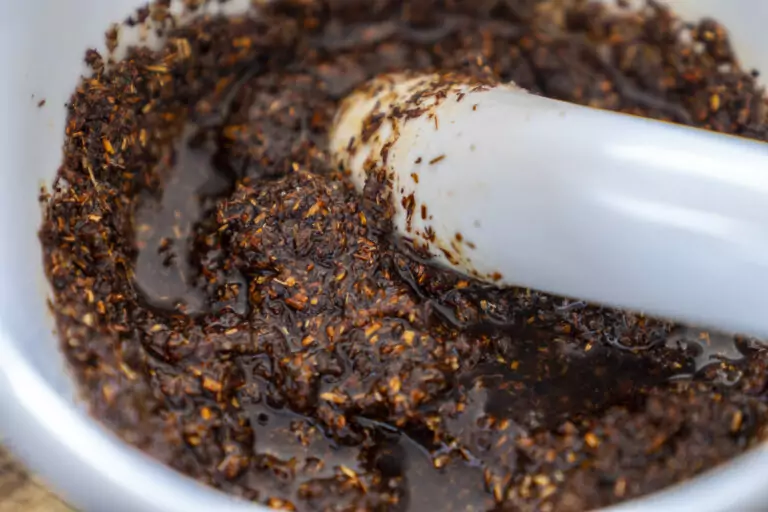
“The extraction process works as follows: Usually green (unfermented) rooibos is used in extract manufacturing because it contains higher levels of antioxidants like aspalathin.”
The plant is dried, milled and soaked in a solvent to draw out active compounds. “This step is carefully controlled (time, temperature, pH) to preserve sensitive antioxidants.” The extract is then filtered, concentrated, stabilised and standardised for consistent quality, and sold as a liquid or powder for formulation.
Safety first in skincare
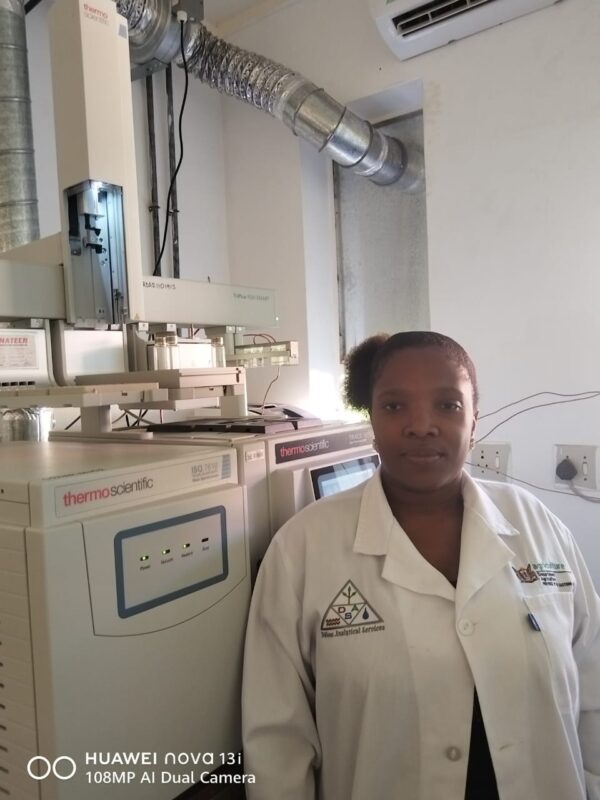
Bulelwa Ngcangatha, a production scientist with a master’s in chemistry from the Eastern Cape department of agriculture, said turning plant-based materials into safe, effective skincare starts with selecting quality botanicals.
“Scientists guarantee the safety of natural skincare products through comprehensive testing protocols, which include microbial assessments to prevent the presence of mould, bacteria, and yeast in water-based formulations.
“This involves choosing raw materials such as herbs, roots, or seeds, and ensuring they are adequately dried to inhibit microbial growth,” she said.
Ngcangatha told Food For Mzansi that the extraction of active compounds can be achieved through methods like maceration in oil for salves and balms, or distillation for hydrosols, which helps extract active compounds.
She said it is essential to develop a balanced formulation that manages both oil-soluble and water-soluble components. “Start with anhydrous products to avoid initial challenges, and incorporate broad-spectrum preservatives if water is included.”
Compliance is key
Ngcangatha further explained that stability evaluations determine shelf life, with samples subjected to extreme temperature and humidity to replicate long-term aging, ensuring the product remains homogeneous, does not change colour, and retains effectiveness.
“Additionally, human patch tests (HRIPT) are performed to identify potential allergens, particularly for individuals with sensitive skin.”
Bulelwa Ngcangatha
She said this is considered the industry standard, with products applied to volunteers, often those with sensitive skin over several weeks to monitor for irritation or allergic contact dermatitis.
Ngcangatha noted that pH testing confirms alignment with the skin’s slightly acidic pH, minimising irritation. She added that ingredient purity is assessed, natural preservatives are used, and in vitro 3D skin model tests evaluate irritation, sensitisation, and photo-toxicity without animal testing.
“Even small, handmade brands must adopt GMP to ensure hygiene traceability before marketing,” she advised.
Products must undergo a safety assessment by a qualified person, and “labels are required to display ingredients using the International Nomenclature of Cosmetic Ingredients (INCI) names in descending order of concentration.”
Given mild preservatives, plant-based products must undergo “challenge testing” to demonstrate contamination resistance. Ingredients should come with a Certificate of Analysis (COA). Compliance with local and international regulations, including FDA/MoCRA and EU (1223/2009), is essential.
READ NEXT: SA citrus industry eyes record season amid global headwinds