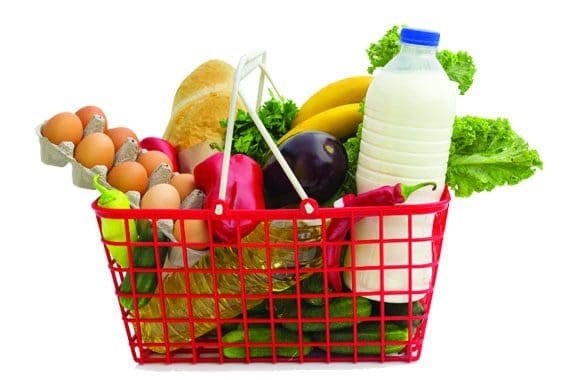
Food prices continue to skyrocket in South Africa, the latest data from Statistics South Africa (Stats SA) reveals, leaving consumers under mounting pressure in an economy already struggling to stay afloat.
Agbiz senior economist Wandile Sihlobo said the Stats SA data shows that consumer food price inflation rose to the highest level in 18 months, at 5.5% in July 2025, from 4.7% in June, underpinned primarily by the continuous increases in the meat and vegetables prices.
Sihlobo said they believe the major drivers of these particular products are temporary; thus, they have maintained their view of potentially moderating food price inflation in the coming months.
Factors influencing food prices
“As with the previous month, the increase in the meat price inflation was due to two significant factors, which have now somewhat eased. First, the outbreak of avian influenza in Brazil led to South Africa temporarily restricting the imports of poultry products from Brazil, causing panic in the market. However, the restrictions have now been lifted, and imports are slowly recovering.
“Second, South Africa experienced an outbreak of foot-and-mouth disease, which led to concerns about red meat supplies and some panic buying, thus temporarily pushing up prices.
“The slaughtering has now resumed in the major feedlots, and we continue to believe we may see easing in red meat prices, which should be reflected in the inflation figures of the coming months,” Sihlobo explained.
Related stories
- BFAP: Drought and demand drive up food prices
- White maize prices rise, food costs to go up
- Veld fires could ignite food price hikes in SA
- Lesotho bans key food imports to boost local farming
He said when there are disease outbreaks, South Africa was temporarily restricted from various export markets, which, over time, increases the supply of red meat into the local market.
“About vegetables, the price increases are primarily because of the excessive rain’s impact on products, as we have seen volumes of certain products down somewhat in various fresh produce markets in the past couple of months. But the recent data are showing an improvement, which again underscores our view that the recent price inflation acceleration may be temporary.”
Inflation predictions for coming months
“While food price inflation accelerated in July, we expect some moderation in the coming months, as the prices of the above products potentially slow, and we see the continuous benefits of an ample domestic grains harvest and a decent fruit harvest that continue to enter the market,” Sihlobo said.
Meanwhile, Nedbank said in a statement that the uptick in inflation in July 2025 to 3.5% was largely food driven, with higher costs in staples such as meat, oils and vegetables, alongside rising utility charges.
“In agriculture, input cost pressures remain elevated, particularly from fuel and fertiliser, while disease outbreaks in livestock are adding strain to the sector. Although strong harvests and exports have helped stabilise supply, the new trade risks in the form of tariffs on citrus could weigh on the sector in coming months.
“While food inflation seems contained compared to previous peaks, the trend underscores agriculture’s vulnerability to both local market and global commodity shifts,” Nedbank stated.
READ NEXT: Minister Nyhontsho: ‘Govt need to cut red tape on land reform’