Leading agricultural economist Wandile Sihlobo has sounded the alarm over South Africa’s growing biosecurity threats. He cautions that the recent preoccupation with international trade tensions, particularly those involving the United States, must not come at the expense of addressing persistent animal and plant health challenges.
“We may all focus on US trade matters and ignore some of the persistent domestic challenges,” warned Sihlobo, who serves as the chief economist of Agbiz.
“Indeed, the trade friction issues are urgent and present notable costs to the affected businesses. But for us to export widely to the world, we have to strengthen both plant and animal health.”
Animal health concerns
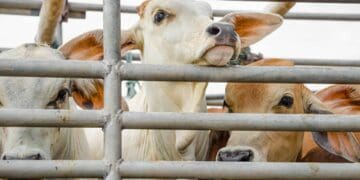
In recent weeks, the country’s strained trade relationship with the United States has dominated national headlines and industry discussions. However, Sihlobo believes that this discourse risks diverting critical resources and policy attention from biosecurity issues such as the ongoing battle against foot-and-mouth disease (FMD), which continues to plague livestock farmers.
“The foot-and-mouth disease that we discussed extensively these past few weeks is still very much a challenge,” he stressed. “The government, organised agriculture, and private sector collaboration that many highlighted in their various agricultural gatherings remain a valid and essential idea to pursue.”
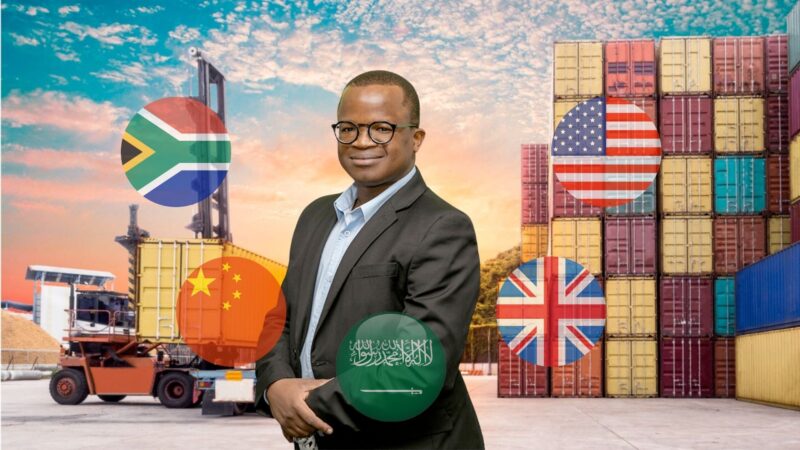
Sihlobo highlighted the country’s weakening domestic capacity to manage animal diseases. He noted that South Africa now relies on imported vaccines for FMD, due in part to the decline of previously robust capabilities at the Agricultural Research Council (ARC) and Onderstepoort Biological Products (OBP).
“At the Biosecurity Conference held in June 2025 at the University of Pretoria, there was recognition that we needed to rebuild this capacity,” he said.
“There was a similar sentiment at the foot-and-mouth disease indaba hosted by the department of agriculture in July 2025. The conclusion of these gatherings and the resolutions are not the end of the road but the starting point.”
Related stories
- FMD failures spark alarm at Pretoria crisis talks
- KZN dairy farmers ramp up vaccinations to fight FMD
- FMD: Research shows water disinfection could protect livestock
With livestock and poultry production accounting for nearly half of South Africa’s agricultural gross value added, the stakes are high.
Sihlobo called for urgent and widespread vaccination campaigns, greater collaboration between state veterinary services and farmers, and financial support for cattle and beef producers enduring mounting losses.
“Now, more than ever, we need increased focus on supporting the cattle farmers and beef producers who continue to experience major financial losses,” he said.
“The work of widescale vaccination, practical cooperation between farming businesses and the state veterinary scientists in various provinces is key in ensuring the sector survives the current challenges.”
In a bold recommendation, Sihlobo reiterated his previous call to allow qualified private laboratories a more direct role in vaccine production under government oversight.
“We must also assess the possibility of allowing some private laboratories to be more involved in vaccine development, such as for foot-and-mouth disease,” he said. “The idea is to ensure we have the supplies of critical vaccines for the sector.”
LISTEN: Podcast: Safeguard livestock with a good biosecurity strategy
Plant health
And while livestock issues dominate most biosecurity conversations, plant health must not be forgotten. South Africa’s ability to meet international phytosanitary standards, particularly for exports to the European Union, Asia, and across Africa, remains under pressure.
“We need a similar focus on plant health,” said Sihlobo. “We also need to be better prepared for any potential disease outbreaks that may present challenges to our sector. This too requires an effective and continuous collaboration between the government, organised agriculture and the private sector.”
He concluded with a sobering reflection on the country’s long-standing struggle to implement policies and action plans effectively.
“We have a tendency in South Africa of not following through with our plans, and biosecurity can’t fall victim to that,” warned Sihlobo. “It is central to the survival of our farming sector and the access to the new markets that we are currently debating as part of the export diversification following our troubles in the U.S. market.”
READ NEXT: D-day for SA fruit exporters as 30% US tariff hits