Friday, January 30, 2026
SUBSCRIBE
21 GLOBAL MEDIA AWARDS
Food For Mzansi
  • News
  • Changemakers
  • Lifestyle
  • Farmer’s Inside Track
  • Food for Thought
No Result
View All Result
  • News
  • Changemakers
  • Lifestyle
  • Farmer’s Inside Track
  • Food for Thought
No Result
View All Result
Food For Mzansi
No Result
View All Result
in It Takes a Village

Soweto residents turn dumping site into food haven

In Soweto, an illegal dumping site has been transformed into the Zola Nutritional Centre. This volunteer-led project grows everything from potatoes to medicinal herbs to feed vulnerable families

by Vateka Halile
30th January 2026
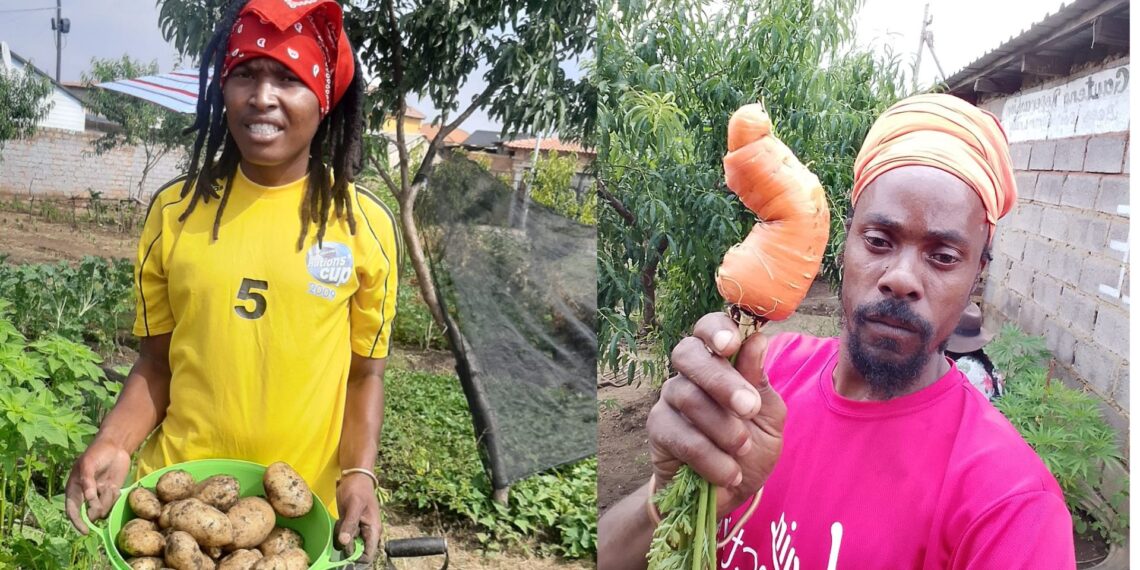
Thamsanqa Nhlapo and Nkosiyapha Maseko are two of the co-founders of the Zola Nutritional Centre in Soweto, Gauteng. Photos: Supplied/Food For Mzansi

Thamsanqa Nhlapo and Nkosiyapha Maseko are two of the co-founders of the Zola Nutritional Centre in Soweto, Gauteng. Photos: Supplied/Food For Mzansi

Share on FacebookShare on TwitterShare on WhatsApp

When a Soweto dumping site became a hazard for local children, six community members took action. Today, the Zola Nutritional Centre transforms four hectares into a lush source of vegetables and fruit.

Members Nkosiyapha Maseko, Petunia Makhetha, Thamsanqa Nhlapo, Siphiwe Way, Xolisa Gijana, and Don Mhlanga are all committed to building a better community through their voluntary work at the Zola Nutritional Centre.

After identifying a dumping site in the kasi, they transformed it into a productive food garden. Today, the space feeds the community and sends a clear environmental message to the people who live around it. 

Turning dirt into good deeds

Zola Nutritional Centre started in 2021 when Nkosiyapha Maseko noticed an illegal dumping site where children often played. Concerned for their safety, he approached other community members to begin cleaning the area, with the idea of turning it into a food garden. 
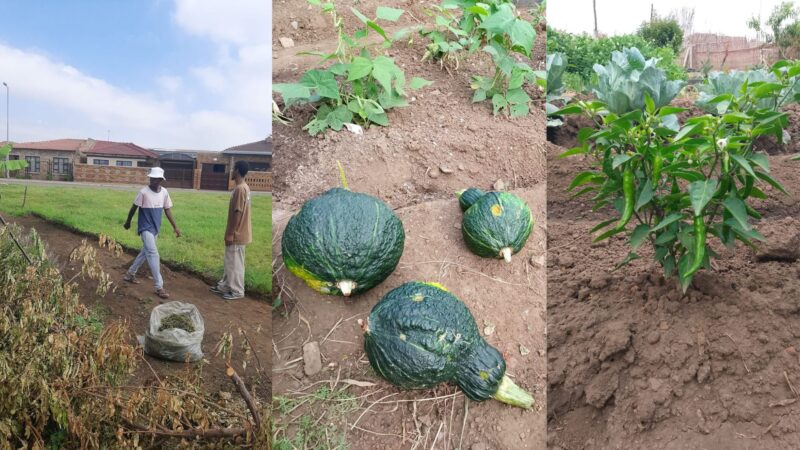
Started as a dumping site, the Zola Nutritional Centre is now a community garden, growing food for families in Zola, Soweto. Photos: Supplied/Food For Mzansi

The land was later approved for use by both the community council and the City of Johannesburg.

Since then, on just four hectares, the team has been planting cabbage, spinach, potatoes, chillies, morogo, onions, tomatoes and amaranth.

They also have fruit trees, including bananas, peaches, strawberries, feijoa, apricots and lemons. Their herb garden includes rosemary, mhlonyane (Artemisia afra, known as African wormwood), dandelion, mint, sage, basil and lavender.

Thamsanqa Nhlapo, one of the members, tells Food For Mzansi that they hope to expand their vegetable production but are currently facing several challenges.


Related stories
  • Former Soweto DJ finds rhythm in sustainable farming
  • Seed libraries, food gardens empower Cape communities
  • ‘Ghetto Gardener’ is gardening his way into a better life

A garden that feeds a community

Nhlapo explains that the centre focuses on growing vegetables for the community, particularly for vulnerable families who approach them for assistance. 

“We do not sell at this point,” he says. “Only those who can afford it contribute, and that money is used to improve the garden.”

Thamsanqa Nhlapo

All members work voluntarily, dedicating their time to planting, maintaining and harvesting crops, as well as engaging with the community. 

Maseko adds that while they would like to cook for families regularly, limited resources make this difficult.

“We maintain a database of families who need our services because the organisation is community-based.”

This helps them track and prioritise households during each harvest.

“Due to limited resources and funding, every harvest is shared among those in need, as this is currently the main way the organisation supports itself,” he adds.

Maseko also shares that the centre sometimes hosts initiatives such as “Go Back to School” to raise funds for children in need, providing school uniforms, stationery and other donations. These events are also opportunities to cook for the community.

“Most importantly, we are careful about exposing children to unhygienic environments and ensure we comply with government standards when offering these services,” Maseko adds.
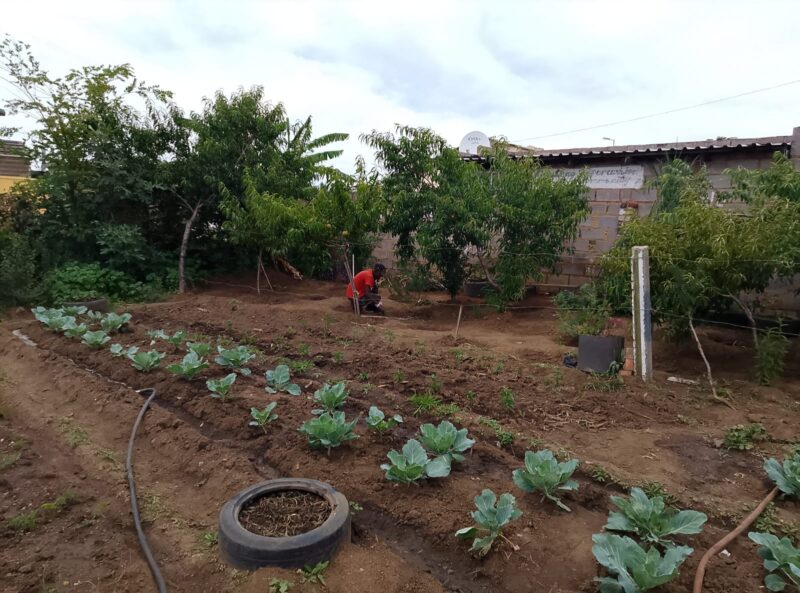
Zola Nutritional Centre hopes to grow crops to sell one day, but due to financial challenges, that remains just a hope for now. Photo: Supplied/Food For Mzansi

A place of healing

Zola Nutritional Centre aims to fight poverty and hunger in the community by providing fresh vegetables and support to vulnerable families, says Nhlapo.

He explains that the initiative includes food parcels and nutritional education workshops for residents.

“The project directly addresses food insecurity and improves the quality of life for vulnerable members of our community, including children, the elderly and people living with disabilities,” he says.

Nhlapo adds that they hope to provide daily nutritious meals to at least 1 000 families, helping to reduce food insecurity in the area.

With support from Dobsonville Pick n Pay, the centre sometimes receives food items such as canned fish, beans, Morvite, instant porridge, diapers, sugar and mixed vegetables. These items are distributed to households on their beneficiary list.

“This space is healing for the community. It produces fresh air, unlike before, when it was an illegal dumping site that posed serious health risks,” Nhlapo says.

“Since the area was cleaned, the community feels safer, and there is less crime. The garden has brought positivity to people living around it.” 
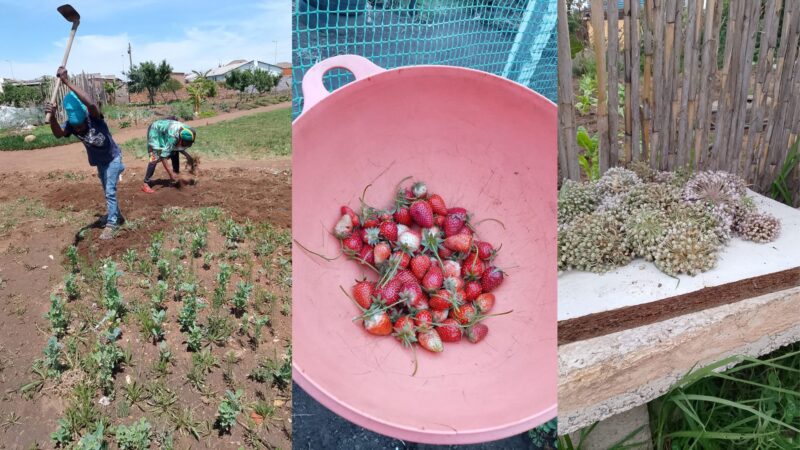
Zola Nutritional Centre still relies on manual labour and is hoping for proper working tools. Photos: Supplied/Food For Mzansi

Hopes for the future

Nhlapo says the initiative faces several challenges, including a lack of secure facilities for meal preparation. The centre needs kitchen appliances, storage facilities, garden tools, uniforms and additional monthly food supplies such as grains for beneficiaries. 

He adds that they hope to increase vegetable production for the soup kitchen and possibly introduce projects that could create employment for young people, such as a poultry farm or piggery. 

While there is strong potential, growth has been slow, as volunteers also have personal responsibilities. Nhlapo explains that with the opportunity to work full-time, the project could grow significantly.

READ NEXT: Jobless graduate turns EC homestead into opportunity hub

Sign-up for the latest agricultural news delivered straight to your inbox every day with Mzansi Today!

Vateka Halile

Vateka Halile grew up in rural areas of Cofimvaba in the Eastern Cape. She was raised in a traditional family setting and found writing to be a source of comfort and escape. Vateka participated in an online citizen journalism course through Food For Mzansi, and her passion for health and medicine-related stories was born. Her dedication to community work and love for social justice and solidarity spaces is evident in her quality time with the community when she isn't working.

Tags: Food gardensGautengInspire meUrban farmingYouth Unemployment

Related Posts

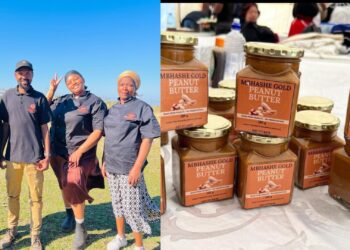
Four unemployed graduates in the Eastern Cape started their own business, Mbhashe Gold, turning local groundnuts into a natural, commercial-grade peanut butter. Founder Anda Zaku, with Lisa Lolwana, Anathi Mnukwa, and Elihle Mpikwa. 
Photos: Supplied/Food For Mzansi

Jobless EC graduates strike gold with peanut butter co-op

10th October 2025
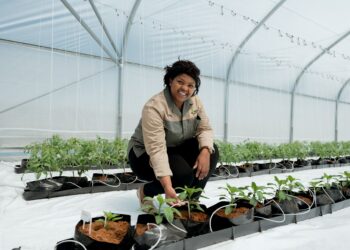
The recently donated greenhouse tunnel serves as an invaluable platform for the interns to explore precision agriculture techniques that enhance sustainability and efficiency well increasing the Livings Soils’ yields. Namhla Skweyiya is the project manager at the Living Soils Community Learning Farm. Photo: Diane Peterson

Living Soils internship empowers women, feeds communities

16th April 2025

Water-wise food garden grows hope and dignity in Gqeberha

Growing health: ECD centres in NC cultivate sustainability

CT communities turn vacant land into indigenous gardens

Engineering change: Dibesho’s fruitful transformation

Ripe for success: Ex-teacher funds doctor dream with fruit

Deaf farmer champions greater accessibility in agriculture

Mzansi Sugar Cane Industry
News

Safda calls for a realistic tariff to save SA’s sugar industry

by Staff Reporter
28th January 2026

With sugar imports up 123% since November 2025, the Sugar Farmers Development Association (Safda) warns that the local sugar industry...

Read moreDetails
Pneumonia remains a major threat to livestock productivity, but as animal health technician Kenneth Malatji explains, early detection, good management and rapid, informed treatment can mean the difference between recovery and costly losses. Photo: Wikimedia Commons

Pneumonia in livestock: Spot the signs before it’s too late

27th January 2026
From left: Khayelihle Mendu of the KwaZulu-Natal department of agriculture, farm manager Bheki Shelembe, and Dr Siphe Zantsi of the Agricultural Research Council (ARC). Photo: Supplied/Food For Mzansi

Shelembe family turns neglected land into thriving KZN farm

27th January 2026
South Africa’s maize price slump brings short-term consumer relief but poses a severe threat to farmers’ incomes and long-term food security.  Photo: Pixabay

Consumer relief comes at a cost for maize farmers

27th January 2026
Meet Lucinda Arendse — a teacher, mother, and role model who turned her apple farm experience into a life lesson in perseverance. From harvesting fruit to shaping young minds, her journey reminds us that no dream is too distant. Photo: Tru-Cape Marketing

Former farmworker moves mountains to reach teaching dream

26th January 2026

Safda calls for a realistic tariff to save SA’s sugar industry

Rabbit Meat Regulations: What farmers need to know

Shelembe family turns neglected land into thriving KZN farm

Agri outlook: SA’s farmers face a year of reckoning and renewal

Tariffs bite, but SA wine exports show resilience

Join Food For Mzansi's WhatsApp channel for the latest updates!

JOIN NOW!

THE NEW FACE OF SOUTH AFRICAN AGRICULTURE

With 21 global awards in the first six years of its existence, Food For Mzansi is much more than an agriculture publication. It is a movement, unashamedly saluting the unsung heroes of South African agriculture. We believe in the power of agriculture to promote nation building and social cohesion by telling stories that are often overlooked by broader society.

Soweto residents turn dumping site into food haven

Red meat value chain takes centre stage at Agri X Fusion

Tru-Cape partners with Harvard on premium apple strategy

Makoti Premium Rooibos: Zantsi brews heritage, love and wellness

Agri outlook: SA’s farmers face a year of reckoning and renewal

Tariffs bite, but SA wine exports show resilience

  • Awards & Global Impact
  • Our Story
  • Contact Us
  • Cookie Policy
  • Privacy Policy
  • Copyright

Contact us
Office: +27 21 879 1824
News: info@foodformzansi.co.za
Advertising: sales@foodformzansi.co.za

Contact us
Office: +27 21 879 1824
News: info@foodformzansi.co.za
Advertising: sales@foodformzansi.co.za

  • Awards & Global Impact
  • Our Story
  • Contact Us
  • Cookie Policy
  • Privacy Policy
  • Copyright
No Result
View All Result
  • News
  • Changemakers
  • Lifestyle
  • Farmer’s Inside Track
  • Food for Thought

Copyright © 2024 Food for Mzansi

This website uses cookies. By continuing to use this website you are giving consent to cookies being used. Visit our Privacy and Cookie Policy.