South African farmers are under increasing pressure from rising input costs, climate volatility and the need to build long-term resilience, yet many are still uncertain how carbon markets can work practically and credibly within agriculture.
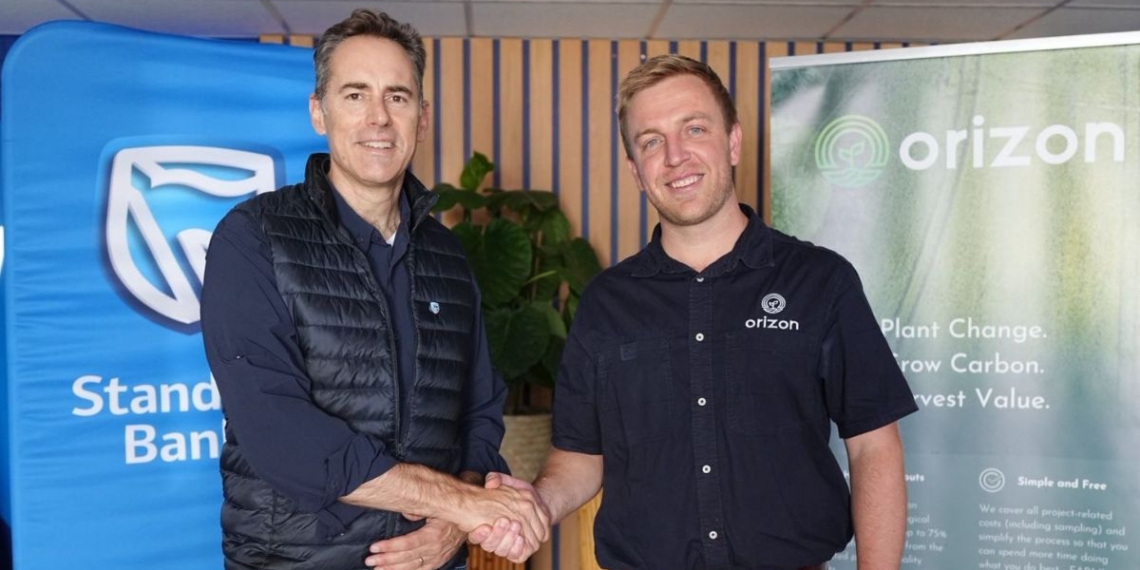
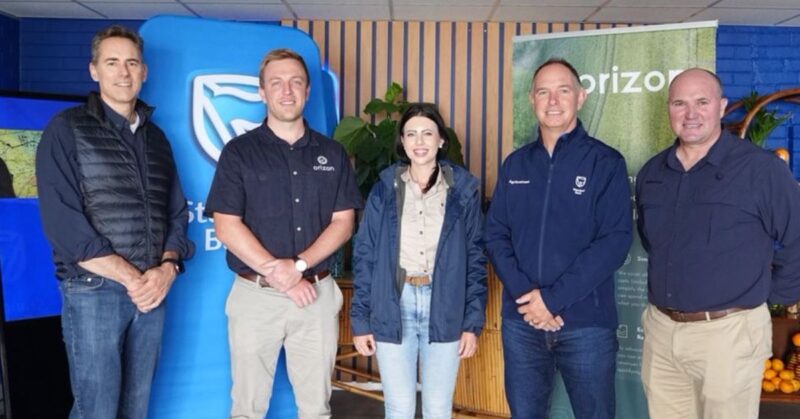
Against this backdrop, Standard Bank Group, through its business and commercial banking division, has announced a partnership with Orizon Agriculture, a local carbon project developer that helps farmers convert regenerative farming practices into verified carbon credits.
The initiative, announced during Nampo Harvest Day in the Free State this week, is being described as South Africa’s first bank-backed regenerative agriculture carbon crop credit programme.
Turning farm practices into verified income streams
The partnership is designed to support agricultural clients who are already adopting practices that improve soil health or reduce on-farm emissions. These improvements can now be translated into supplementary income through participation in carbon markets, without requiring farmers to take on additional administrative or technical complexity.
Related stories
- Carbon credits: How to measure, monetise, and manage your risk
- Nampo panel unpacks what makes farmers bankable
- Engen keeps tractors and farming dreams moving at Nampo
- Carbon credits 101: A guide to regenerative farming & income
Through the programme, eligible Standard Bank clients can be introduced to Orizon’s CarbonCrop rewards programme. The system measures and verifies changes in soil organic carbon and reductions in on-farm emissions.
Once verified, these outcomes are issued as carbon credits that can be sold in carbon markets alongside traditional agricultural production.
Carbon credits represent verified environmental outcomes, with each credit equivalent to one tonne of greenhouse gas emissions reduced or removed from the atmosphere. In agriculture, these gains are typically achieved through practices such as reduced tillage, cover cropping, improved grazing management and lower fertiliser use, many of which are already being implemented by farmers seeking to improve productivity and resilience.
Orizon Agriculture will manage the technical components of the programme, including measurement, independent verification and registration under internationally recognised carbon standards. This is intended to allow farmers to focus on farming operations while the compliance and reporting aspects are handled by specialists.
Sector innovation meets farmer resilience at Nampo
“Farmers are increasingly being challenged to balance productivity, profitability and sustainability,” says Bill Blackie, chief executive of business and commercial banking at Standard Bank Group. “This partnership with Orizon is about supporting our agricultural clients navigate that shift in a practical way, by enabling access to carbon markets that are linked to real farming practices and independently verified outcomes.”
The partnership was launched at Nampo Harvest Day, which ended yesterday. Discussions centred on resilience, innovation and the future of regenerative agriculture in South Africa.
The event, hosted by Grain SA, was centred on the theme “Resilience through innovation” and drove wider industry discussion on climate risk, long-term economic viability and emerging regenerative agriculture models.
“Trust and simplicity are essential for farmer participation in carbon markets,” says Michael Lilje, CEO and founder of Orizon Agriculture.
“There is clear interest from farmers, but also understandable caution. Our role is to ensure carbon projects are robust, transparent and farmer-focused. Working with Standard Bank allows farmers to engage through a trusted relationship, while we ensure the integrity of the carbon credits generated.”
Beyond potential carbon income, the programme also highlights the wider agronomic benefits of regenerative practices, including improved soil health, better water retention and stronger long-term productivity.
The partnership will initially focus on South African commercial farmers. A first-year onboarding phase will be supported by Standard Bank relationship managers, who will introduce interested clients to Orizon Agriculture and help build an understanding of how agricultural carbon markets function in practice.
READ NEXT: Land Bank unlocks growth, tackles financing gaps at Nampo