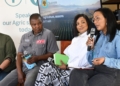
The Western Cape department of agriculture’s (WCDoA) first ever Climate Change and Agriculture Youth and Young Researchers’ Convention was hosted between 20 and 21 July. More than 110 youths came together to brainstorm and debate on solutions to the the global issue of climate change.
“It is essential to establish partnerships and the Smart Agri Plan is a demonstration of how the WCDoA is establishing systems to form a resilient agricultural sector,” said Dr Mogale Sebopetsa, departmental head of the WCDoA.
“The next generation of farmers, scientists, practitioners, communicators, and innovators must lead the journey to secure the future of agriculture and a resilient food system under a changing climate, as we aim to be the change we want to see in the world, during these unpredictable climatic conditions,” he added.
The WCDoA’s Rural Development Youth Program, tertiary educational institutions, other provincial and national departments, the Agricultural Research Council (ARC), small and emerging farming enterprises, non-governmental and non-profit organisations, and young professionals and graduate interns from each programme, attended the convention as delegates.
Climate change concerns
According to Prof Stephanie Midgley, scientist, climate change and risk management, many of the youth who attended were worried about the affects of climate change.
“A large portion of the youth delegates were highly concerned about climate change and its impacts on agriculture/ food systems, and clearly have informed themselves, and have given some thought to what the future holds and what should and can be done at grassroots level,” Midgley told Food For Mzansi.
“Many of their questions and interventions related to the most vulnerable rural and urban communities and agricultural producers. There was a clear call for government to play a leading role, since individual actions and behaviour change are important but not sufficient to develop system-wide resilience and a low-carbon economy,” she added.
Midgley said the youth were excited by the fact that there are options for individual contributions and how they can make a difference. “Many identified their contribution as researchers, while others would like to become more active in communities to raise awareness and drive collaborative actions that build resilience and reduce greenhouse gas emissions while improving people’s lives.”
The first day of discussions included perceptions and understanding of climate change, the evolving crisis and how perspectives on climate change are already being carried out on South African farms and food systems. The day closed with a discussion on the ties between climate change and mental health.
The second day focused on furthering solutions and opportunities, and how new skills can be developed along with careers related to the low carbon agricultural and food sector.

Making sense of it all
Dr Ilse Trautmann, the deputy director of agricultural research and regulatory services at the WCDoA, shared the department’s plan of action going forward.
“The department of agriculture will firstly collate all the information gathered and analyse it to come up with a baseline of perceptions, understanding and needs, since this is only but the first of many such conventions,” she said.
“Future events must benefit from the learning from this event, targeting the specific gaps and needs expressed by the youth this time, and provide more time for in-depth discussions where this was indicated. A summary of the findings and conclusion will be sent to all participants. The department will also use this information and the video made of the event for further awareness raising of climate change and agriculture and the voices and needs of the youth, when engaging with the agricultural producers, the industry and value chain, and government at all levels,” Trautmann added.
According to Trautmann the process will be ongoing and they will continue to engage with the youth on opportunities and events.
“Furthermore, we will continue to engage the participants, if they wish, for example, by sending them the department’s quarterly e-newsletter on climate change (the SmartAgri Barometer) and highlighting opportunities and events for the youth. Specific sub-programmes within the department, such as LandCare (part of the sustainable resource use and management programme), will assess the possibilities around field visits by interested delegates to on-farm projects, to show them what can be done in practice, and how this can create jobs and other opportunities for the youth while contributing to a more climate resilient agriculture sector.
“It is furthermore envisaged to present this event every second year. The Western Cape department of agriculture will take workshops on climate change to our rural youth as part of our Rural Development Program every alternate year.”
Read the full Smart Agri Plan here.
ALSO READ: ICYMI: Livestock expo bigger than ever this year
Sign up for Mzansi Today: Your daily take on the news and happenings from the agriculture value chain.