Friday, May 22, 2026
SUBSCRIBE
21 GLOBAL MEDIA AWARDS
Food For Mzansi
  • News
  • Changemakers
  • Lifestyle
  • Farmer’s Inside Track
  • Food for Thought
No Result
View All Result
  • News
  • Changemakers
  • Lifestyle
  • Farmer’s Inside Track
  • Food for Thought
No Result
View All Result
Food For Mzansi
No Result
View All Result
in News

Zimbabwe bans maize imports despite production shortfall risks

South Africa and Zambia are set for bumper maize harvests, strengthening their positions as regional grain exporters. However, Zimbabwe has reinstated a ban on maize imports, limiting short-term export opportunities

by Wandile Sihlobo
2nd September 2025
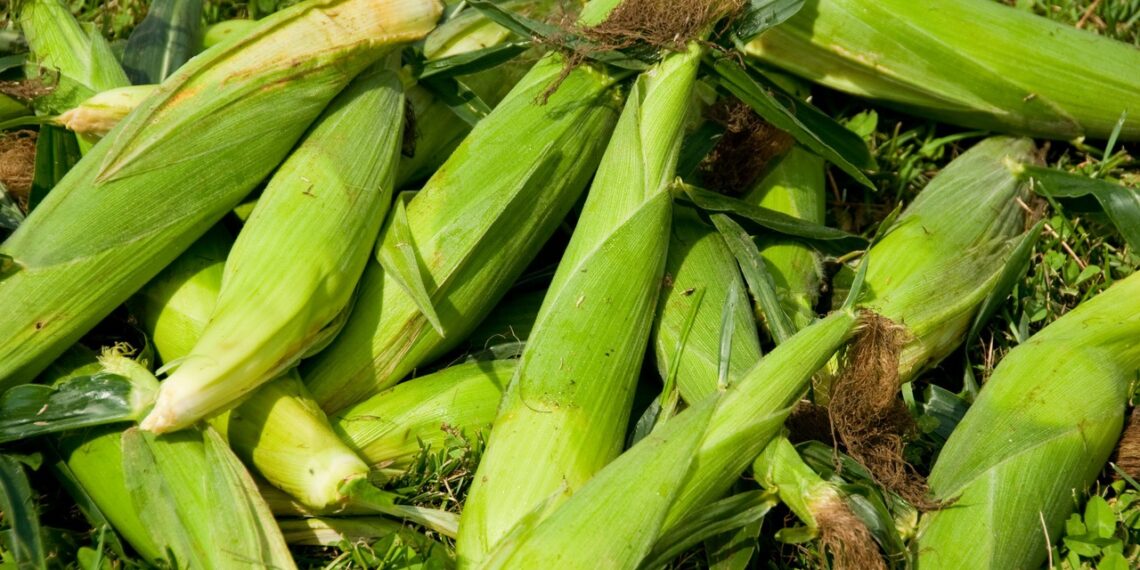
Zimbabwe reinstates its maize import ban despite production shortfalls, while South Africa and Zambia expect bumper harvests, reshaping regional grain trade dynamics. Photo: Pexels

Zimbabwe reinstates its maize import ban despite production shortfalls, while South Africa and Zambia expect bumper harvests, reshaping regional grain trade dynamics. Photo: Pexels

Share on FacebookShare on TwitterShare on WhatsApp

Minimal government intervention in agricultural markets is often considered an ideal policy path, as government intervention may disrupt the efficient allocation of scarce resources or functioning of the market (through the forces of supply and demand).

In times of abundant harvests, farmers and agribusinesses must be allowed to export and benefit from the global market. In times of droughts or floods, trade must still be allowed. Indeed, there may be short-term economic pain for consumers through higher prices in deficit years when imports are needed, but this induces farmers to plant more in the coming seasons.

At times, governments ban imports to protect local farmers when they have ample domestic supplies, which are deemed sufficient to meet consumer requirements. However, that also limits the consumer’s choice and artificially increases the domestic price by restricting more competitively priced imports.

Zimbabwe’s maize supply recovers

I am highlighting these policy tradeoffs due to recent news from Zimbabwe. A report by Reuters, a news organisation, suggests that the Zimbabwean government has reinstated a ban on maize imports. The government believes that in the interim, there are sufficient supplies for the local market and wants to ensure maximum price realisation for the domestic producers before allowing imports.


Related stories
  • Sihlobo: Trade issues mustn’t overshadow SA biosecurity crisis
  • Minister vows to fast-track land reform, axe bad CPAs
  • Daybreak Foods rebuilding after R150 million lifeline
  • Schoeman: ‘If the people lead, the government will follow’

Nevertheless, it remains unclear if Zimbabwe has sufficient maize supplies for the year or will need imports later. Zimbabwe’s 2024-25 maize production is forecast at 1.3 million tonnes, according to recent data from the Pretoria-based unit of the United States Department of Agriculture (USDA). This is just more than twice the output from the previous season, which was a drought period.

FARMER POLL

📢 Which bank is powering your farming journey?

Tell us which bank you use so we can better advocate for the specialised financial tools and accessible capital needed to help South African farmers overcome growth barriers and thrive!

All submissions are kept strictly confidential. 

This recovery in Zimbabwe’s maize production is primarily driven by improved weather conditions and an increase in the area that farmers managed to plant for maize. If this production level materialises, then the ban may be temporary.

Zimbabwe’s potential maize harvest of 1.3 million tonnes will not be sufficient to meet the country’s domestic needs of 2.0 million tonnes per annum, leaving it to import the balance.

Surplus expected in SA maize production

In the last marketing year, South Africa supplied nearly all of Zimbabwe’s maize imports. However, in the 2025-26 marketing year, there may be some changes, with Zambia regaining its net exporter status as it expects a bumper harvest of 3.66 million tonnes. This far surpasses Zambia’s maize consumption of 2.8 million tonnes per annum.

South Africa also forecasts a robust maize harvest of 15.80 million tonnes, which is 23% higher than the previous 2023-24 season’s crop. These forecasts are well above South Africa’s annual maize needs of approximately 12.00 million tonnes, implying that South Africa will have a surplus and remain a net exporter of maize.

For South African maize exporters, the message here is that Zimbabwe may not be the ideal market in the near term, as they have ample domestic supplies. However, later in the season, they may return to the market and import. The USDA forecasts suggest that the expected crop is insufficient to last throughout the year.

  • Wandile Sihlobo is the chief economist of the Agricultural Business Chamber of South Africa

READ NEXT: Tractor handover empowers EC women in food security drive

Sign-up for the latest agricultural news delivered straight to your inbox every day with Mzansi Today!

Wandile Sihlobo

Wandile Sihlobo is the chief economist of the Agricultural Business Chamber of South Africa (Agbiz). He is also a senior research fellow at the department of agricultural economics at Stellenbosch University. He wrote “A Country of Two Agricultures: The Disparities, the Challenges, the Solution” and “Finding Common Ground: Land, Equity and Agriculture”.

Tags: Agricultural exportsCommercialised farmerInform meMaizeWandile SihloboZimbabwe
News

Infrastructure crisis deepens strain on storm-battered fruit farmers

by Staff Reporter
19th May 2026

Storms have devastated Western Cape orchards, but the biggest threat now is a severe power crisis. With 6–10 power pylons...

Read moreDetails

Why SA should embrace landrace seeds during global uncertainty

19th May 2026

Dairy giant expands with Ladismith Cheese Company deal

19th May 2026
Development finance key to growing future commercial farmers

Development finance key to growing future commercial farmers

18th May 2026
‘Cayenne Chilli Lady’ brings the heat with 8.5ha farming success

‘Cayenne Chilli Lady’ brings the heat with 8.5ha farming success

18th May 2026

Tomato price debate: Joburg Market, RSA Group weigh in

‘Cayenne Chilli Lady’ brings the heat with 8.5ha farming success

Limpopo farmers’ day: Collaboration, compliance take centre stage

Standard Bank, Orizon launch first bank-backed carbon crop programme

This week’s agri events: 18 – 22 May

Join Food For Mzansi's WhatsApp channel for the latest updates!

JOIN NOW!
Next Post
Brics+ offers new horizons for SA’s agri-trade

Brics+ offers new horizons for SA’s agri-trade

THE NEW FACE OF SOUTH AFRICAN AGRICULTURE

With 21 global awards in the first six years of its existence, Food For Mzansi is much more than an agriculture publication. It is a movement, unashamedly saluting the unsung heroes of South African agriculture. We believe in the power of agriculture to promote nation building and social cohesion by telling stories that are often overlooked by broader society.

Limpopo farmers’ day: Collaboration, compliance take centre stage

Wild at heart: Shane Ngwenya swapped fear of snakes for science

Nyhontso outlines billions to boost land reform and viability

Sugarcane milling starts strong amid Tongaat crisis, cheap imports

Diamond fibre: How Angora farmers can crack the mohair market

Climate variability moves from background risk to core driver of South African agriculture

  • Awards & Global Impact
  • Our Story
  • Contact Us
  • Cookie Policy
  • Privacy Policy
  • Copyright

Contact us
Office: +27 21 879 1824
News: info@foodformzansi.co.za
Advertising: sales@foodformzansi.co.za

Contact us
Office: +27 21 879 1824
News: info@foodformzansi.co.za
Advertising: sales@foodformzansi.co.za

  • Awards & Global Impact
  • Our Story
  • Contact Us
  • Cookie Policy
  • Privacy Policy
  • Copyright
No Result
View All Result
  • News
  • Changemakers
  • Lifestyle
  • Farmer’s Inside Track
  • Food for Thought

Copyright © 2024 Food for Mzansi

This website uses cookies. By continuing to use this website you are giving consent to cookies being used. Visit our Privacy and Cookie Policy.