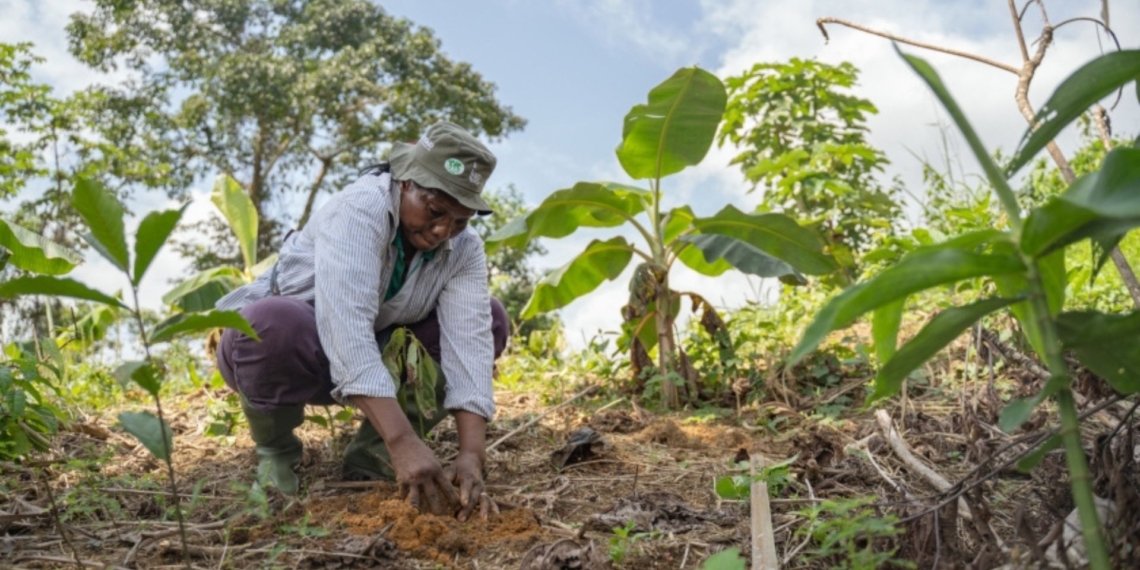
Land is the ultimate life-support system. Forests, farmlands, savannahs, peatlands, and mountains provide humanity with the foundational food, water, and raw materials required for survival. Yet, this vital infrastructure is under unprecedented strain.
Currently, more than two billion hectares of the world’s land are classified as degraded – a crisis directly impacting over three billion people while threatening countless species. As the agricultural sector faces intensifying climate pressures, finding immediate solutions to halt land degradation has become a matter of global food security.
In the face of deepening droughts and rising temperatures, experts say it is crucial to find ways to stop productive land from becoming desert and fresh water sources from evaporating. While turning the tide on global degradation sounds like a tall order, a new publication by the United Nations Environment Programme (UNEP), titled We Are #Generation Restoration, outlines a clear roadmap.
“Governments and businesses have a leading role to play in reversing the damage humanity has done to the Earth,” says Doreen Robinson, the deputy director of the ecosystems division of UNEP. “But every day people also have a vital role to play in restoration, which is crucial to our future as a species.”
Related stories
- What we’re missing in regenerative farming: A new way to learn
- Carbon credits 101: A guide to regenerative farming & income
- Regenerative farming: Healthy soil, healthy food, healthy profits
- Cattle and cover crops power vineyard regenerative study
To secure the future of global food production, the report highlights seven critical areas where agriculture, policy, and community action must intersect.
1. Overhauling agricultural subsidies
Globally, at least two billion people, particularly from rural and poorer areas, depend on agriculture for their livelihoods. However, our current food systems are unsustainable and act as a prime driver of land degradation.
The financial levers driving this system require urgent redirection. Right now, agricultural producers receive US$540 billion a year in financial support from countries. Shockingly, some 87% of these subsidies either distort prices or harm nature and human health.
Governments have a historic opportunity to redirect these funds toward regenerative agriculture and small-scale farmers. Concurrently, agricultural businesses must develop climate-resilient crops, harness Indigenous knowledge, and strictly manage fertiliser and pesticide use. On the demand side, consumers can support this transition by shifting toward regional, seasonal, and soil-friendly, plant-rich diets rich in pulses like beans, lentils, chickpeas, and peas.
2. Prioritising soil health as a carbon sink
Soil is far more than dirt; it is the planet’s most biodiverse habitat, hosting almost 60% of all species. It is also the backbone of nutrition, producing 95% of the food we eat.
From a climate perspective, healthy soil acts as a critical carbon sink, locking in greenhouse gases that would otherwise accelerate global warming. To protect this resource, the agricultural sector must scale up organic farming and zero-tillage techniques – cultivating crops without disrupting the soil structure to preserve organic cover. Incorporating compost, utilising mulching, and deploying precision drip irrigation are also vital to maintaining soil moisture and preventing severe drought stress.
3. Safeguarding threatened pollinators
Three out of four crops producing fruit and seeds depend heavily on pollinators. While bees are the most prolific, they are supported by a diverse network of insects, butterflies, birds, beetles, and bats. In fact, without bats, global supplies of bananas, avocados, and mangoes would effectively disappear.

With pollinator populations in sharp decline, the agricultural industry must minimise pesticide impacts, reduce air pollution, and conserve natural meadows and wetlands. Even urban areas can contribute by reducing mowing frequencies and planting native flowers to create safe havens for these critical species.
4. Revitalising freshwater infrastructure
Freshwater ecosystems drive the global water cycles that keep agricultural land fertile, yet they are vanishing rapidly due to pollution, climate change, overfishing, and over-extraction.
To combat this, nations are being urged to join the Freshwater Challenge to accelerate the restoration of degraded rivers and wetlands by 2030. Key actions include removing invasive species, replanting native vegetation, and innovating urban wastewater and stormwater management to prevent agricultural and urban runoff from choking vital waterways.
5. Managing the land-sea interface
The health of our oceans directly influences terrestrial climate stability. More than three billion people rely on marine and coastal biodiversity for their livelihoods.
To protect these areas, governments must accelerate the Kunming-Montreal Global Biodiversity Framework. This includes restoring “blue carbon” ecosystems like mangroves and salt marshes, while enforcing strict limits on agricultural runoff and industrial waste. Businesses can support this by capturing nutrients from wastewater and livestock waste to repurpose them as sustainable fertilisers.
6. Integrating nature into expanding cities
By 2050, two in three people will live in urban centres. Currently, cities consume 75 per cent of the planet’s resources and generate at least 60% of greenhouse gas emissions, driving regional land degradation.
Transforming concrete jungles via urban forestry can lower local temperatures, reducing the need for mechanical cooling. Preserving urban canals, ponds, and vertical roof gardens provides vital habitats while mitigating the urban heat island effect.
7. Bridging the restoration finance gap
To meet global climate, biodiversity, and ecosystem goals, investments in nature-based solutions need to more than double to US$542 billion by 2030.
Closing this gap requires public funding for early warning systems to mitigate drought impacts, alongside private-sector commitment to integrating restoration into core business models, sustainable agriculture, and green technology.
- The UN Decade on Ecosystem Restoration 2021–2030, led by the United Nations Environment Programme, the Food and Agriculture Organisation of the United Nations and partners, covers terrestrial as well as coastal and marine ecosystems. A global call to action, it draws together political support, scientific research and financial muscle to massively scale up restoration.
READ NEXT: Don’t wait for failure: Spot herbicide resistance early