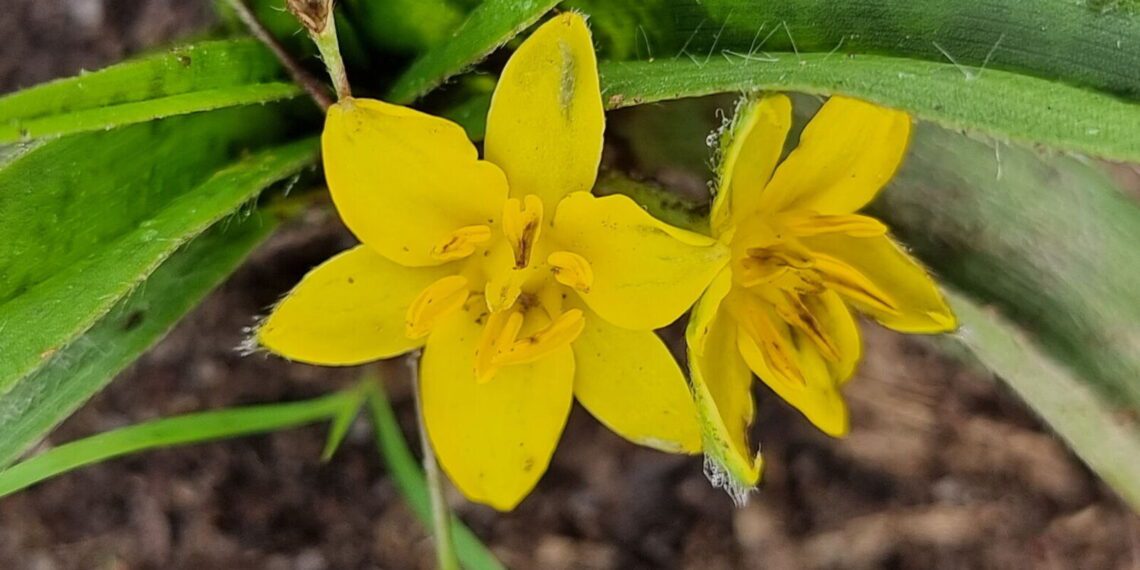
Hey, did you know about the African potato? It is a real gem in traditional African medicine! Known scientifically as Hypoxis hemerocallidea, this local wonder has been trusted for generations. Packed with immune-boosting, anti-inflammatory, and digestive health benefits, it’s truly a powerhouse from our soil.
In a recent Health For Mzansi article, Andrew Modishane from North West explains that he has been using the African potato for over a decade. He has also turned this indigenous crop into a thriving business.
“It has since treated many diseases, including lower blood sugar, improving the immune system, clean kidneys, urinary tract infections, and prostate problems.” Modishane’s preparation involves boiling the plant and drinking it, providing benefits for both himself and his customers.
Related stories
Different uses for African potato
Meanwhile, Palesa Sehlolo from the Free State began using the African potato during her spiritual journey, finding it to be a powerful remedy.
She shares, “The African potato has helped me a lot and has also helped me to heal people with fertility issues, provide protection from bad energies, and cleanse women experiencing heavy periods, including smelly discharge.” Sehlolo highlights its versatility, noting it can be used as a tea or in imbiza, a traditional concoction.
Agronomist Bongani Ndhlovu from Johannesburg underscores the plant’s historical use across Africa. He lists its benefits, including immune support, anti-inflammatory properties, antioxidant effects, blood sugar regulation, prostate health, and potential anti-cancer properties.
However, he cautions about potential side effects and interactions with medications, emphasising the importance of consulting a healthcare professional.
In the article, horticulturist Zandile Mazibuko from Pretoria discusses the plant’s cultivation, noting its resilience and adaptability in various South African provinces.
“The African potato is a water-wise plant that thrives in full sun and can stand some frost,” she explains. Mazibuko further warns about pests and diseases affecting the plant, recommending both chemical and sanitary methods for control.
This article was first published on Health For Mzansi and written by Candice Khumalo.
READ NEXT: Celery success: Planting tips for year-round enjoyment
Sign up for Mzansi Today: Your daily take on the news and happenings from the agriculture value chain.