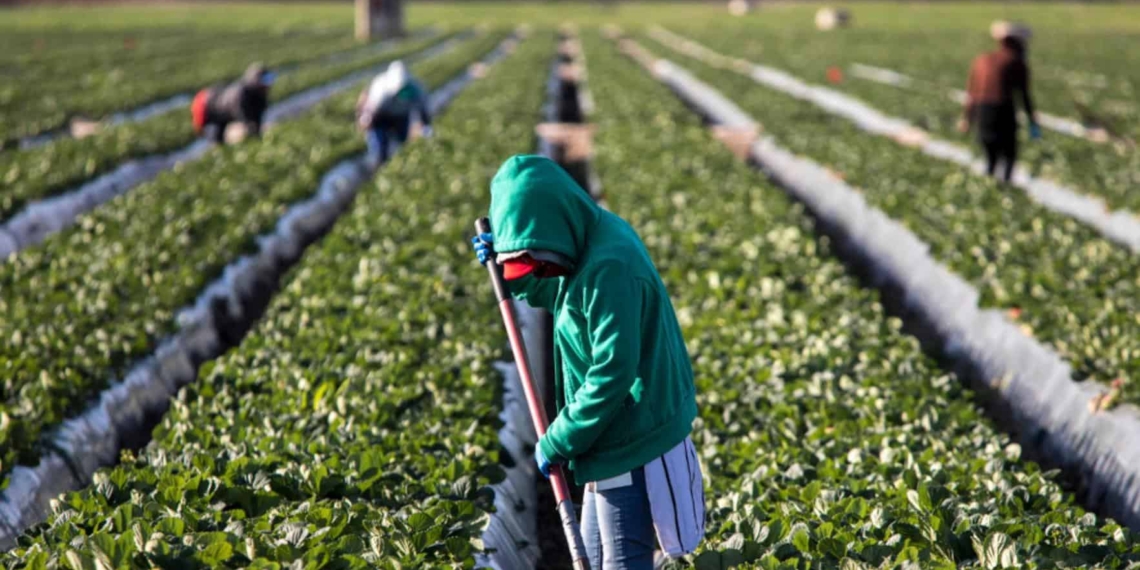
Despite South Africa’s constitutional commitment to gender equality, a report from the Commission for Gender Equality (CGE) to parliament revealed that women farmworkers remain trapped in a cycle of systemic exploitation and heart-wrenching living conditions.
The CGE recently briefed the portfolio committee on human settlements on its 2025 sequel report, “Do women reap what they sow?”
The study, which follows an initial inquiry published in 2024, investigated the lived experiences of women in the sugar, dairy, and wine industries across the Free State, Gauteng, KwaZulu-Natal, and the Western Cape.
The findings uncovered a disturbing breakdown in the enforcement of the country’s progressive labour and tenure laws, leaving women as the most vulnerable link in the agricultural value chain.
Barriers for women farmworkers
The report identified significant barriers to equality, including overcrowded and poorly maintained accommodation, limited access to basic services, and persistent gender-based violence (GBV).
The CGE head of policy research, Jamela Hoveni, noted that these conditions are exacerbated by a lack of employer-provided transport, forcing women to walk long distances in unsafe areas during the early hours of the morning.
“Many women farmworkers faced significant barriers in accessing reliable healthcare and security while working in vineyards and dairy farms due to poor infrastructure and scarce public transport services,” Hoveni said.
Related stories
- ACAC reports uneven but hopeful recovery for SA agriculture
- WC farm equity schemes under fire after worker exploitation claims
- Expropriation Act: Land reform faces its toughest test yet
- Civil groups slam govt for failed farmworker equity schemes
The inquiry further revealed that women are frequently earning less than their male counterparts, with a lack of transparency in wages found to foster a culture of secrecy and discourage open dialogue about equal pay.
A major concern for the committee was the failure of existing protections. While South Africa has established the Extension of Security of Tenure Act (Esta), a law designed to prevent arbitrary evictions by ensuring farm dwellers cannot be removed from their homes without a court order, many women remain vulnerable.
Tsietsi Shupeng, CGE head of legal services, told the committee that while laws have been improved, implementation remains weak in rural areas. In the Western Cape, the department of employment and labour has only 217 inspectors to cover more than 320 commercial farms.
“The inspectors might not reach all the farms, and therefore, the issue of enforcement was noted as a challenge.”
Tsietsi Shupeng
He added that poor data capturing makes it difficult to determine how many farm owners are in breach of regulations or if workers are receiving the compensation they deserve.
The struggle for women farmworkers extends beyond the vineyards and dairies into the systems of land ownership. The report highlighted how patriarchal customary practices in rural areas continue to sideline women, often forcing them to rely on male relatives to access land or credit.
Shupeng pointed out that in some traditional societies, up to 60% of land is allocated to men. The lack of written records makes it nearly impossible to verify why women’s land applications are being denied.
“The constitution requires accountability and transparency in these processes,” Shupeng emphasised, noting that current practices often lack the necessary oversight to ensure fair allocation.
Recommendations for transformation
To address these failures, the CGE proposed recommendations to transform the sector. These include calls for mandatory worker transport, improved ablution facilities, and the decoupling of housing from employment to ensure women do not lose their homes if they lose their jobs.
The department of human settlements indicated a willingness to collaborate, noting that while rural housing programmes exist, women must be prioritised as the primary beneficiaries to ensure their security.
The CGE acting chairperson, Prabashni Naidoo, urged the committee to hold departments accountable to ensure the dignity of women who play a vital role in the nation’s food security.
“The purpose of the engagements is to ensure that departments comply with recommendations and to create dialogue around issues of gender equality,” Naidoo said.
Meanwhile, WaterCan executive director Ferrial Adam said not only are women working in an unequal environment, but when it comes to water access in farming areas, women and girls are frequently responsible for collecting water.
“At WaterCAN, we believe this day should serve as a call to action: to prioritise gender-sensitive water policies,” she said.
READ NEXT: Sustainable farming: How to balance soil health and income