The Karoo Donkey Sanctuary has found a new home. GroundUp reported in May that the organisation and its animals were being evicted from Bergwater farm on the edge of the Great Karoo, which had been their home since November 2023.
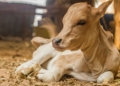
The organisation cares for rescued donkeys that are threatened by a global trade in donkey skins.
The sanctuary had tried to purchase Bergwater, but defaulted on its purchase agreement and the farm was sold to another buyer. After further efforts to repurchase Bergwater failed, the sanctuary faced eviction proceedings from both the previous and new owners, leaving it scrambling to find another suitable location.
But the crisis has now been averted. “We were saved at the 11th hour,” says Karoo Donkey Sanctuary founder Jonno Sherwin.
New home in the Klein Karoo
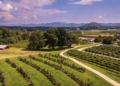
Several angel investors and donors enabled the sanctuary to purchase a new 500-hectare farm in De Rust, of which all but 80 hectares are wilderness.
Over four days in late July, 370 rescued animals, including 96 donkeys and 38 horses, were relocated to a farm in the Klein Karoo, 50 kilometres from Bergwater.
Related stories
- Animal traction: A forgotten asset or outdated practice?
- NWU’s programme nurturing future animal health leaders
- Animal technology graduates step up to secure SA’s biosecurity
- Rangeland scarcity, animal diseases hit communal farmers hard
“With a single equine float, we completed another Great Trek of the animals, farm equipment, personal possessions, and our staff. It cost R250 000, but we now own a new farm with security of tenure.”
The new farm, called Die Hoop, has ample infrastructure and grazing.
Sherwin also plans to establish an antelope rescue and rehabilitation centre on the farm.
However, the organisation is still struggling to be sustainable. The farm will cost around R200 000 a month to maintain. “With help from trustworthy donors, it’s doable,” he says.
“When we thought the universe was bludgeoning us, it was because there was something better ahead. Die Hoop and De Rust have given us hope and peace of mind.”
- This story was first published on GroundUp.
READ NEXT: Farmers urged to boost livestock care in winter