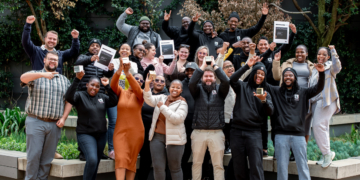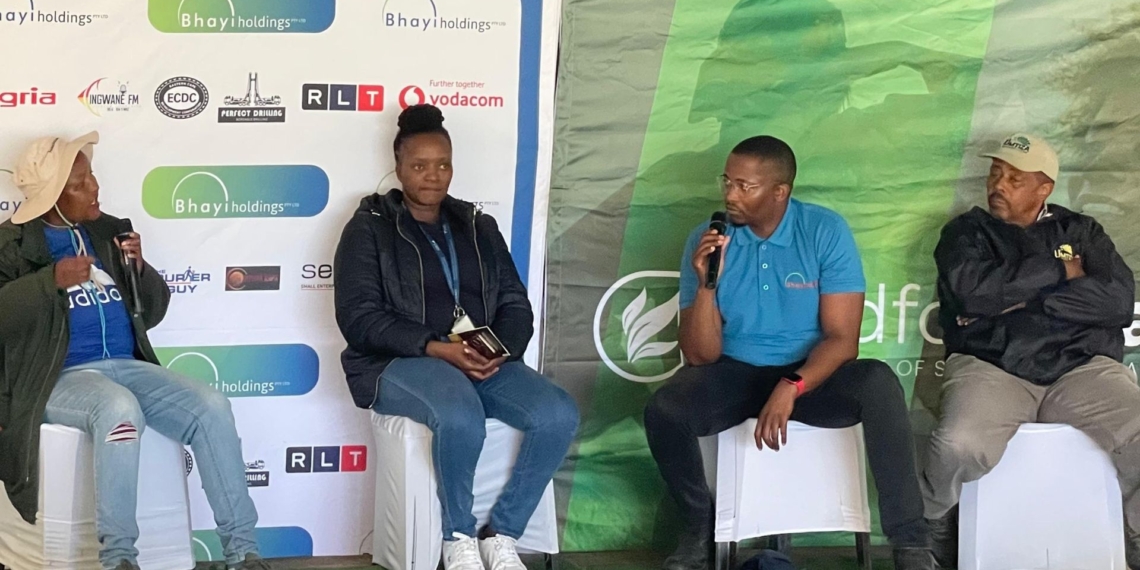
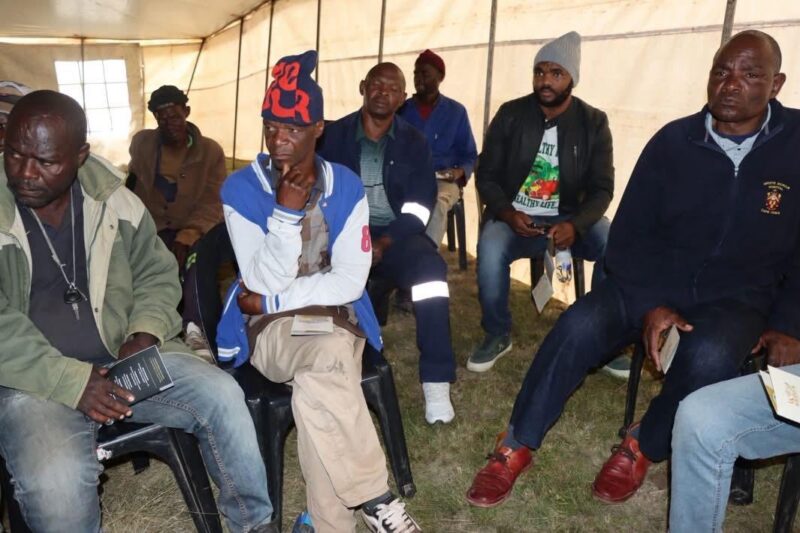
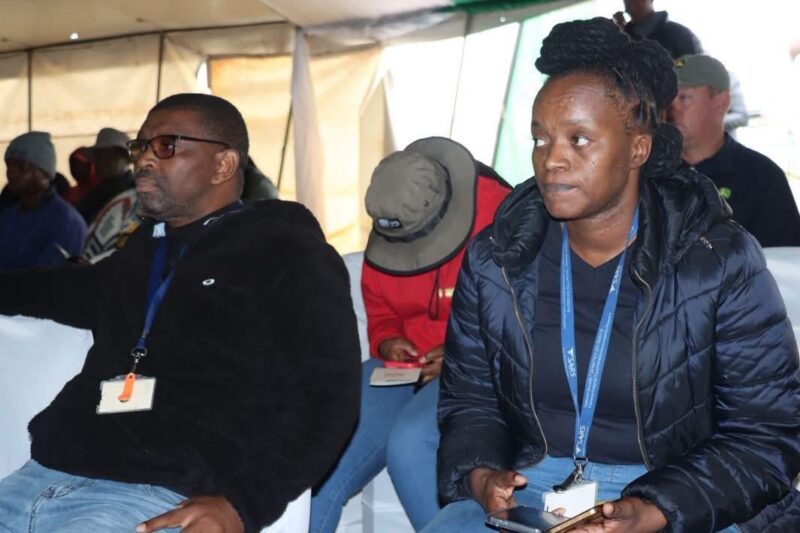
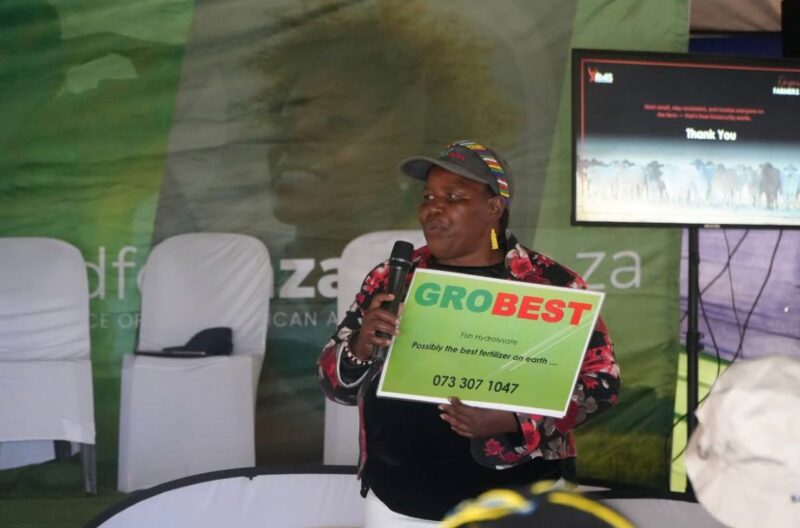
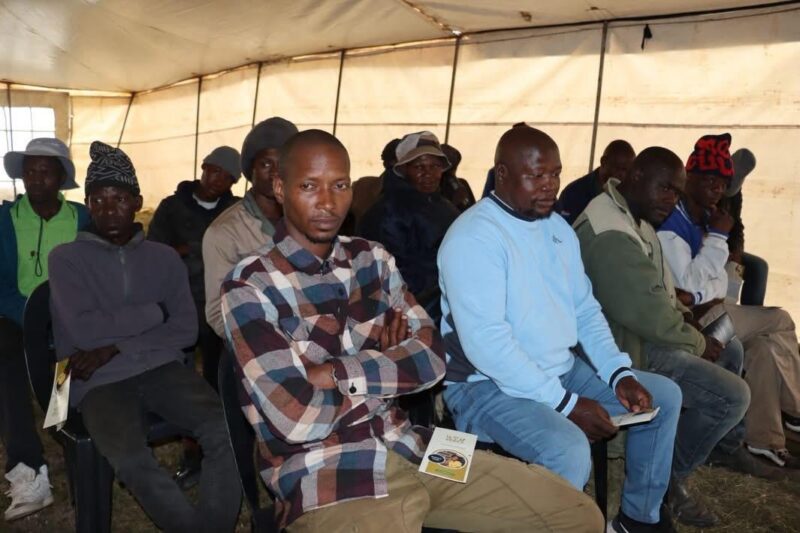
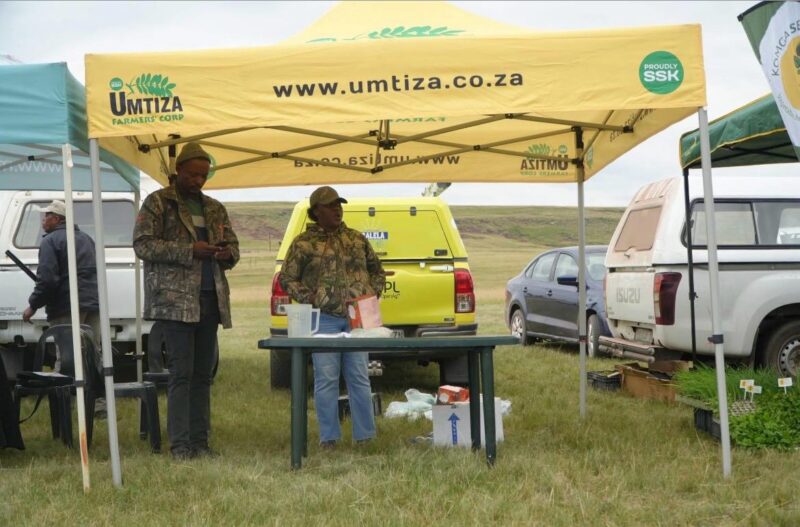
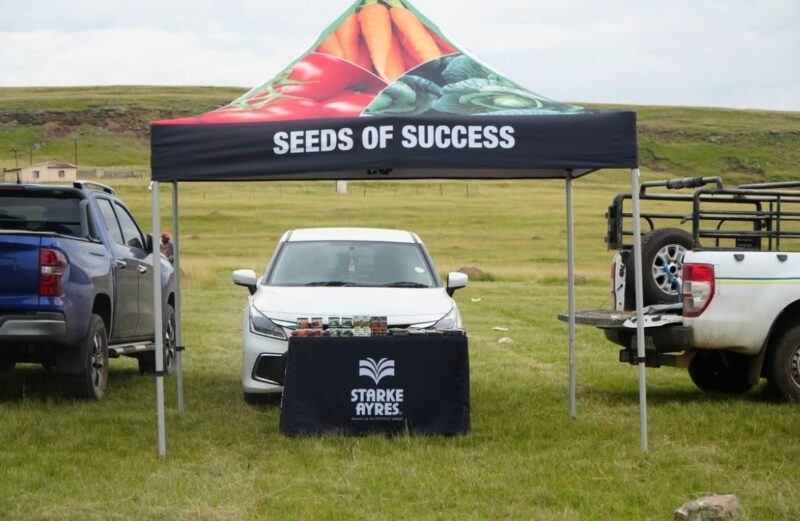
The rolling green hills and mountain peaks of Tsolo provided a scenic backdrop for agricultural transformation as nearly 250 farmers gathered for Food For Mzansi’s annual provincial farmers’ day in the Eastern Cape. Held in partnership with farmer Inga Qeja, CEO of Bhayi Holdings, the event served as a critical bridge between local producers, industry requirements, and the stakeholders who hold the keys to market access.
With over 30 stakeholders and exhibitors in attendance, the day was designed to equip farmers with improved management practices and the technical know-how needed to thrive in a competitive industry.
Welcoming the attendees, Dr Weduwedu Kumkani, director at the Kumkani Mhlontlo Municipality under the department of agriculture, expressed the government’s support for the initiative and its role in professionalising local farming.
Guarding the national herd
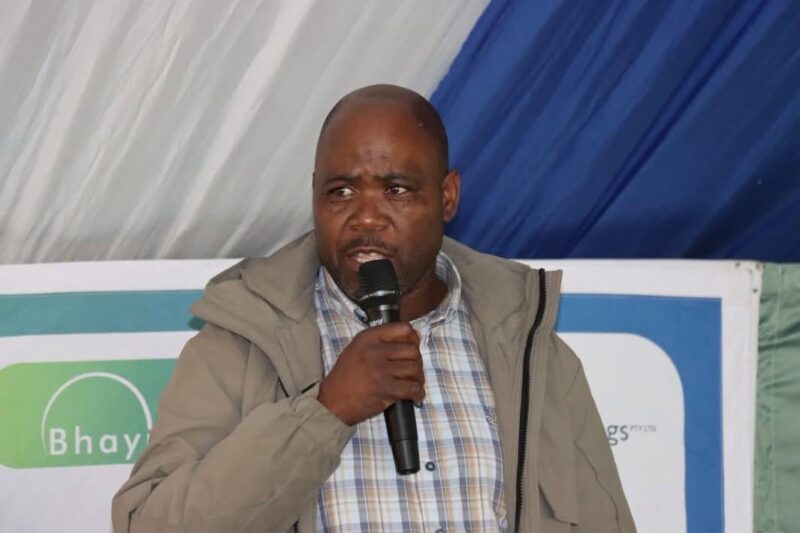
A major focus of the day was the threat of livestock diseases. Khaya Xhantibe, Eastern Cape livestock technical advisor at Red Meat Industry Services (RMIS), briefed farmers on the current foot-and-mouth disease (FMD) outbreak and its impact on production.
Related stories
- No market access, no future: The heavy cost of FMD
- SA rolls out FMD vaccines as livestock industry fights back
- Farmers urged to embrace agroprocessing for growth
- EC farmers’ market day sparks innovation and real change
Xhantibe noted that while vaccination campaigns are ongoing, the primary line of defence remains farmers’ own discipline in the kraal.
“Allowing new animals to mix immediately with the herd increases disease risk. Lack of quarantine and proper hygiene practices creates easy entry for infection,” Xhantibe warned. He added that prevention is far cheaper than treatment, as one sick animal can cost a producer more than a year of good biosecurity.
Dr Siposethu Brian Siyothula, chief state veterinarian in the Eastern Cape, clarified the government’s role, noting that while Tsolo remains unaffected by FMD, the government is intensifying information days because vaccine supplies are limited.
“Limit movement on the farm because people move from different regions, bringing the disease to the farm unknowingly,” Siyothula advised. He urged farmers to only purchase animals that have been tested or come from confirmed FMD-free areas.

Turning a personal setback into a provincial movement
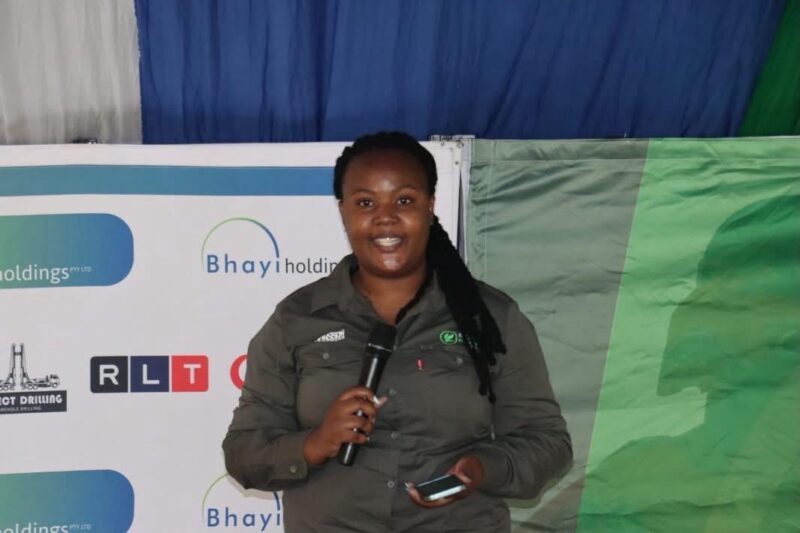
For Qeja, the road to hosting this event was paved with personal hardship. He shared how a devastating season, where heavy rains destroyed the specific crops required by his investor, left him on the verge of quitting the sector entirely.
At his lowest point, Food For Mzansi reached out to him to collaborate on a farmers’ day. Recalling the impact of a previous article the publication had written about him, which became one of the most-read stories on the African continent, Qeja decided to say yes.
“When Ivor Price (Food For Mzansi co-founder) reached out to me to start the farmers’ day, I said, ‘I need to do this’, as I was about to give up and maybe look into other jobs as well,” he said.
From ideas to implementation
This spirit of perseverance was echoed by Sinazo Mkupa, an agricultural advisor, who encouraged those wanting to venture into the sector to move from planning to action. She challenged aspiring farmers to start the work first before seeking government guidance.
“Visit us when you have already started; do not just come with an idea in mind without implementation,” she said.
Mkupa further highlighted that professional management is just as important as physical labour. She pointed out that many farmers miss out on critical support due to administrative errors rather than a lack of potential. According to Mkupa, poor compliance, such as missing deadlines or failing to attach required documents, remains one of the biggest barriers to securing funding.
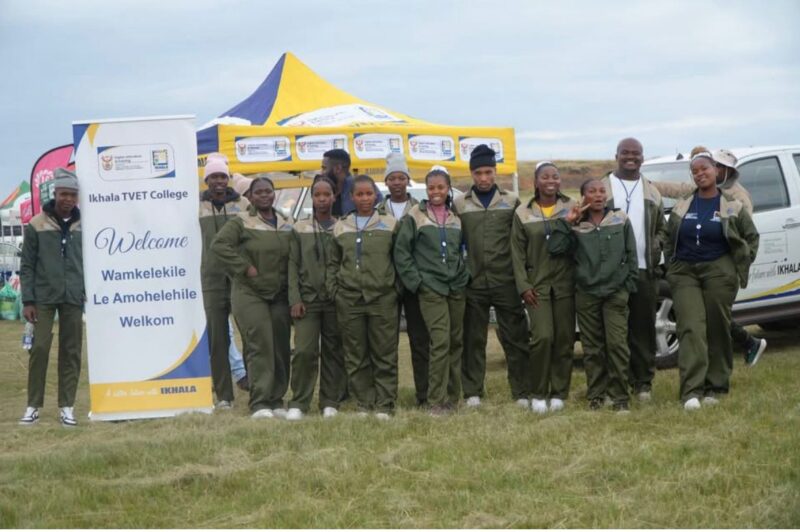
The drive toward a more professional and educated farming community was further supported by the presence of academic institutions. Representatives from King Hintsa, Ikhala, and Ingwe TVET colleges were on hand to discuss formal training and educational pathways.
READ NEXT: Women farmers call for inclusive growth and development