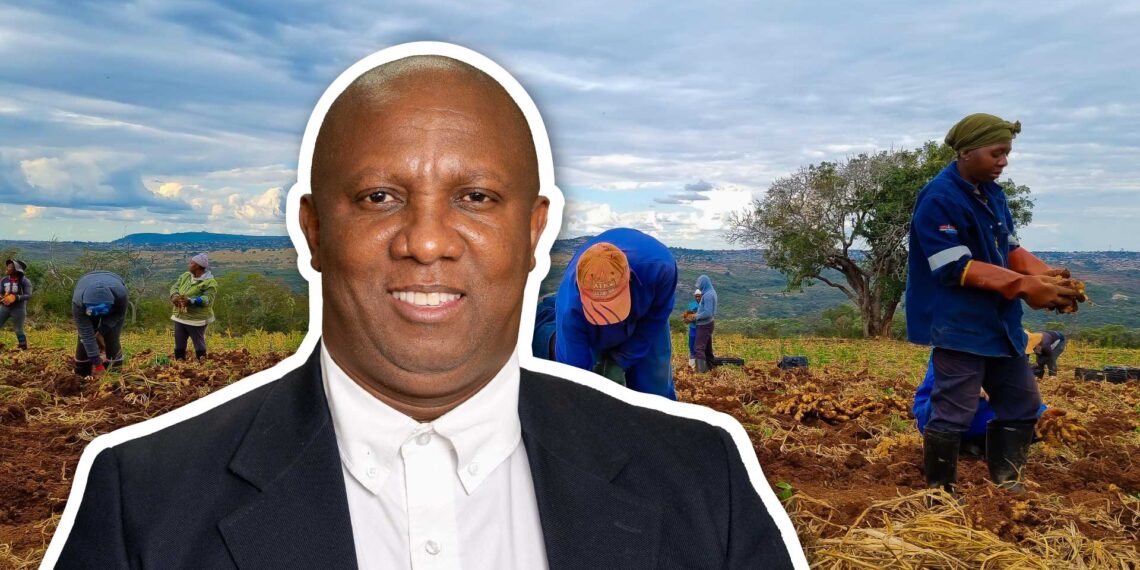
As the country will be celebrating 31 years since the first democratic elections tomorrow, land reform expert Peter Setou said despite South Africa’s transformation agenda, the pace and impact of land reform have been slow, uneven, and often deeply contested.
Setou said that for many land reform beneficiaries, restitution of land has not automatically translated into economic freedom, self-sufficiency, or sustainable livelihoods.
According to Setou, there is an increasingly growing recognition that land reform cannot be viewed in isolation from broader economic development.
“Unlocking the full transformative potential of land requires not just restitution or redistribution of land, but the deliberate enablement of rural economies, empowerment of beneficiary communities to upskill them to enable them to make their land productive, to ensure that they can effectively participate in commercial agriculture, eco-tourism and other broader areas within the land value chain.
“When communities gain access to land, that is only the beginning. The real challenge and opportunity lies in ensuring that the land becomes a source of economic benefit, creates jobs, exposes communities to access markets and enables skills development,” he said.
Related stories
- Land reform in SA: Slow but steady strides forward
- Balancing human rights and land reform: Can SA get it right?
Setou said that too often, land reform discussions become polarised between ideological positions, whether around expropriation without compensation or market-based redistribution, rather than focusing on the real and practical question, such as how do we ensure that communities have the skills, capital, and market access they need to turn land into opportunity.
“The conversation should not be limited to who owns the land but should also focus on how that land is used, and whether it delivers meaningful benefits for the communities who fought to reclaim it. Far greater attention needs to be paid to what happens after land has been transferred,” he said.
How partnerships drive land reform
Setous said their institution’s project, Vumelana’s Community Private Partnerships (CPP) model, showcases how partnerships can drive land reform. In this model, land-holding communities retain ownership while private partners contribute expertise, market access, and capital, enabling communities to gain income and skills.
“We do not have to reinvent the wheel. There are a few working models across the country that demonstrate the power of collaborative partnerships in making land productive and commercially viable.
“Where these partnerships are structured well and trust is built between beneficiary communities and private investors, we see communities participating meaningfully in the economy while maintaining ownership and decision-making power over their land,” he said.
Meanwhile, Setou said through the CPP model, Vumelana has successfully facilitated 26 partnerships between land reform beneficiaries and private investors, putting approximately 76 000 hectares of land into productive use and attracting over R1 billion in private investments.
“Land reform can transform rural economies, drive economic freedom, and integrate more South Africans into the productive economy. But this requires moving beyond policy commitments and slogans and operationalising a comprehensive support ecosystem for land reform beneficiaries, one that includes financing, technical support, market access, infrastructure development, and skills transfer.”
“If land is to become a true instrument of transformation that unlocks economic freedom, not just a symbol of redress, the land reform programme must unlock both ownership and opportunity,” Setou said.
READ NEXT: Agri leaders demand stronger policing in rural communities
Sign up for Mzansi Today: Your daily take on the news and happenings from the agriculture value chain