Wednesday, August 26, 2026
SUBSCRIBE
22 GLOBAL MEDIA AWARDS
Food For Mzansi
  • News
  • Changemakers
  • Lifestyle
  • Farmer’s Inside Track
  • Food for Thought
No Result
View All Result
  • News
  • Changemakers
  • Lifestyle
  • Farmer’s Inside Track
  • Food for Thought
No Result
View All Result
Food For Mzansi
No Result
View All Result
in Lifestyle

Homemade jam: Ditch sugar, and embrace fruit’s pure sweetness

Making jam at home can be a healthier alternative to store-bought options. Experts suggest using sweet and tart fruits, and with proper sterilisation, you can enjoy nutritious, sugar-free jams bursting with natural flavour

by Vateka Halile
27th March 2025
Healthy homemade jams offer a delicious way to enjoy fruit while avoiding excessive sugars and additives. Photo: Supplied/Freepik

Healthy homemade jams offer a delicious way to enjoy fruit while avoiding excessive sugars and additives. Photo: Supplied/Freepik

Share on FacebookShare on TwitterShare on WhatsApp

Homemade jam can be a delicious and nutritious alternative to store-bought versions, especially when made without added sugar. By using the natural sweetness of fruits and incorporating fibre-rich ingredients, you can enjoy a healthier spread without compromising taste.

In an article published on Health For Mzansi, chef Anele Jili from Dundee Battlefield in KwaZulu-Natal advises that a combination of different fruits can balance out the flavours, eliminating the need for sugar.

She suggests pairing sweet and tart fruits to create a naturally flavourful jam. Since sugar is traditionally used as a preservative, proper sterilisation and sealing of jars are essential to prevent spoilage.

“For example, combining sweet fruits like strawberries with tart ones like rhubarb creates a delicious and well-balanced jam,” Jili explains.

Chef and author Pumla Brook-Thomae shares that she makes sugar-free strawberry jam using frozen berries and a small amount of pure honey. She says when you cook the fruit, the natural sugars become more intense, reducing the need for added sweeteners.

“I’ve made sugar-free strawberry jam before, and it turned out surprisingly well. I used frozen berries and honey,” she says.


Related stories
  • Sip nature’s remedy: The healing power of honeybush
  • Grow your own green beans and add goodness to your plate

A healthier approach

Registered dietitian Mpho Tshukudu recommends keeping fruit skins intact when making jam. This increases fibre content, which supports gut health and stabilises blood sugar. Adding lemon juice helps balance flavours and acts as a preservative.

“Because there is no cooking, most of the nutrients are preserved. Chia seeds add fibre and plant omega-3 to the jam. It can also be added to cooked jams,” Tshukudu shares.

Chia seeds can also be used as a thickener due to their ability to absorb liquid and form a gel.

Furthermore, Tshukudu advises that homemade jam should be stored in sterilised jars. Once opened, it must be refrigerated and consumed within two to three weeks to avoid spoilage.

By using natural ingredients and proper techniques, you can create a range of delicious, sugar-free jams that are both nutritious and full of flavour.

READ THE FULL ARTICLE HERE.

This article was first published on Health For Mzansi and written by Vateka Halile.

READ NEXT: ABALOBI shines among semifinalists in Global Food Challenge

Sign up for Mzansi Today: Your daily take on the news and happenings from the agriculture value chain.
Vateka Halile

Vateka Halile grew up in rural areas of Cofimvaba in the Eastern Cape. She was raised in a traditional family setting and found writing to be a source of comfort and escape. Vateka participated in an online citizen journalism course through Food For Mzansi, and her passion for health and medicine-related stories was born. Her dedication to community work and love for social justice and solidarity spaces is evident in her quality time with the community when she isn't working.

Tags: Consumer interestFruitHealth For MzansiHealthy recipes
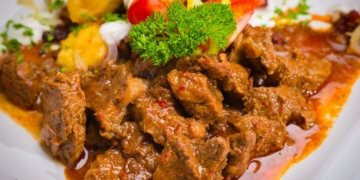
Slow-cooked beef stew
Lifestyle

Cook once, eat twice: Smart kitchen habits for budget winter meals

by Staff Reporter
23rd August 2026

Stretching your household food budget this winter doesn’t mean sacrificing flavour or comfort. By focusing on seasonal vegetables, hearty starches,...

Read moreDetails
Sibusiso Mabuza of Phahama Grain Phakama, Michael Brinkhuis of the Western Cape department of agriculture, and Falon Mars of Mars Rossouw Attorneys Inc. They are among the speakers at the dedicated emerging farmers programme at Nampo Cape on Thursday, 10 September. Photos: Supplied/Food For Mzansi

New-era farmers get dedicated programme at Nampo Cape

22nd August 2026
Rico survived seven years alone in the unforgiving Karoo before his remarkable 30.7kg fleece made him a wool industry legend. Today, his story is helping create opportunities for the next generation of agricultural leaders. Photo: Supplied/Food For Mzansi

Rico the sheep is turning survival into a legacy

22nd August 2026

How AI and intelligence can shield African farms from El Niño

22nd August 2026
Fresh FMD outbreaks threaten South Africa’s beef trade just as exports rebound, with Agbiz chief economist Wandile Sihlobo calling for urgent action on biosecurity and vaccine production. Photo: Supplied/Food For Mzansi

Western Cape reaches 82% herd vaccination against FMD

22nd August 2026

Rico the sheep is turning survival into a legacy

New-era farmers get dedicated programme at Nampo Cape

NW agri empowers 110 graduates to fight unemployment

How South Africa can stop relying on imported tomato paste

Chemistry meets creativity in Neo Mokhomo’s soya candle brand

Join Food For Mzansi's WhatsApp channel for the latest updates!

JOIN NOW!
Next Post
Severe load shedding has increased food security risks in South Africa, and financial pressures on farmers, agribusinesses, says Khathutshelo Rambau, research assistant at the National Agricultural Marketing Council. Photo: Supplied/Food For Mzansi

SA's citrus industry gears up for a strong 2025 season

THE NEW FACE OF SOUTH AFRICAN AGRICULTURE

With 21 global awards in the first six years of its existence, Food For Mzansi is much more than an agriculture publication. It is a movement, unashamedly saluting the unsung heroes of South African agriculture. We believe in the power of agriculture to promote nation building and social cohesion by telling stories that are often overlooked by broader society.

Local innovation and exports drive growth in SA rooibos industry

The ‘Golden Hour’: Managing a newborn calf’s first hours

Voermol helps Thabang’s livestock thrive through SA’s toughest seasons

Beyond maize: Why neglected crops are SA’s climate-smart future

NW agri empowers 110 graduates to fight unemployment

Unstoppable: Double-amputee farmer sets sights on commercial success

  • Awards & Global Impact
  • Our Story
  • Contact Us
  • Cookie Policy
  • Privacy Policy
  • Copyright

Contact us
Office: +27 21 879 1824
News: info@foodformzansi.co.za
Advertising: sales@foodformzansi.co.za

Contact us
Office: +27 21 879 1824
News: info@foodformzansi.co.za
Advertising: sales@foodformzansi.co.za

  • Awards & Global Impact
  • Our Story
  • Contact Us
  • Cookie Policy
  • Privacy Policy
  • Copyright

Chat Options

I'm Lerato, your AI assistant!
No Result
View All Result
  • News
  • Changemakers
  • Lifestyle
  • Farmer’s Inside Track
  • Food for Thought

Copyright © 2024 Food for Mzansi

This website uses cookies. By continuing to use this website you are giving consent to cookies being used. Visit our Privacy and Cookie Policy.