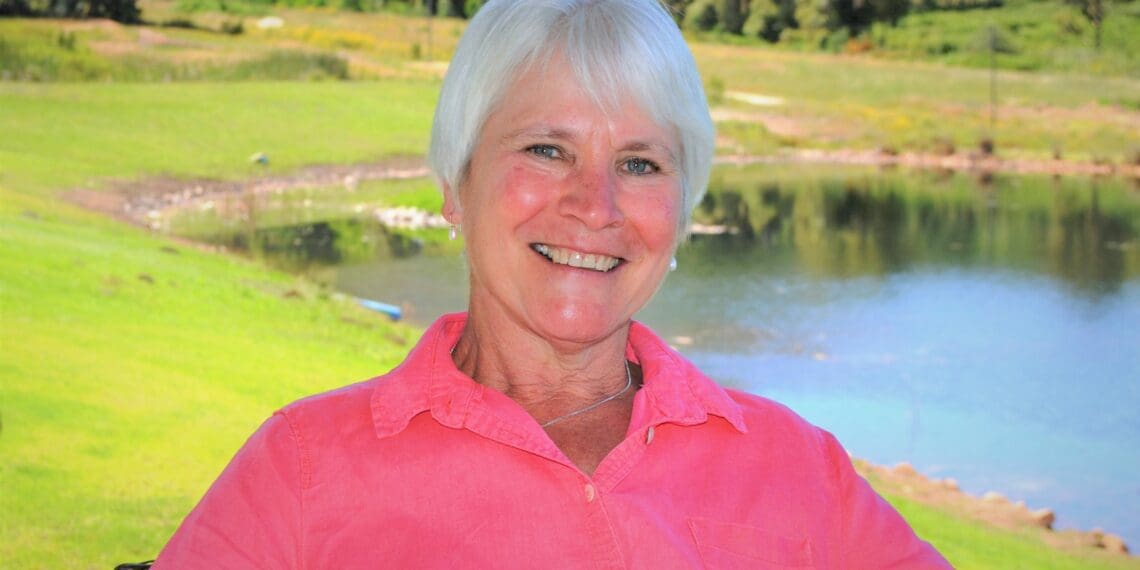
More women. More people from previously disadvantaged communities. This is what the legendary Prof. Karen Theron would like to see on Mzansi’s horticulture landscape as she bows out of a successful career that spans decades. In fact, it would make her happy.
The recently retired scientist is herself regarded as an academic pioneer for women. Her career started and culminated at Stellenbosch University, where she had been the first ever female student in horticulture and then held her last role before retirement.
She earned her PhD on nerines, which are indigenous bulbs that produce beautiful flowers in autumn, and has a special interest (and master’s degree) in nursery trees. She also held the Hortgro chair in applied preharvest deciduous fruit research at Stellenbosch University for 12 years.
Food For Mzansi caught up with Theron.
How has the industry evolved throughout your career?
The horticultural industry I know best is the deciduous fruit industry. Since I started as the first female student at the department of horticultural science at Stellenbosch University, both as undergraduate and post-graduate, the number of female students has increased tremendously.
This has obviously resulted in more females entering the work arena in all spheres, from the production side to post-harvest handling to marketing. The industry has grown during this time and the biggest change resulted when agriculture changed from single-channel, regulated marketing to an open-market system.
This resulted in new industry bodies forming, changes in the way research, technology transfer and market access is handled and many other aspects.
What has been your greatest achievement?
I believe my greatest achievement as a horticulturist and an academic has been the number of students I have been involved with, both as undergraduate and post-graduate level. When the last few students enrolled as post-grad graduates, my tally will stand at 100 MSc and PhD graduates where I acted as supervisor or co-supervisor.
These students fill very important positions in the horticulture industry today, either at technical, grower or research level.
What are the biggest challenges in the industry?
The biggest challenge, I believe, is climate change and the required changes that industry will have to make to adapt and adjust to this. This would manifest predominantly in less winter chill in certain production regions, while in others water scarcity could be the most important challenge.
In addition, the pressure on profitability is increasing input cost with variable prices obtained for produce.
Are more young people interested in horticulture?
Yes, we see a strong increase in undergraduate student numbers in horticultural science at Stellenbosch University. I believe agriculture in general is becoming more interesting to students as industries are becoming more technologically advanced.
Your message to prospective students?
The horticultural industries are highly technical and can only survive with people who understand the technical and physiological aspects involved in farming, high-value crops and maintaining the quality of those crops throughout the whole value chain, from farm to fork. This results in many opportunities to people wanting to join these very interesting industries.
ALSO READ: Honeybush research leads to PhD for Mabizela
Sign up for Farmer’s Inside Track: Join our exclusive platform for new entrants into farming and agri-business, with newsletters and podcasts.