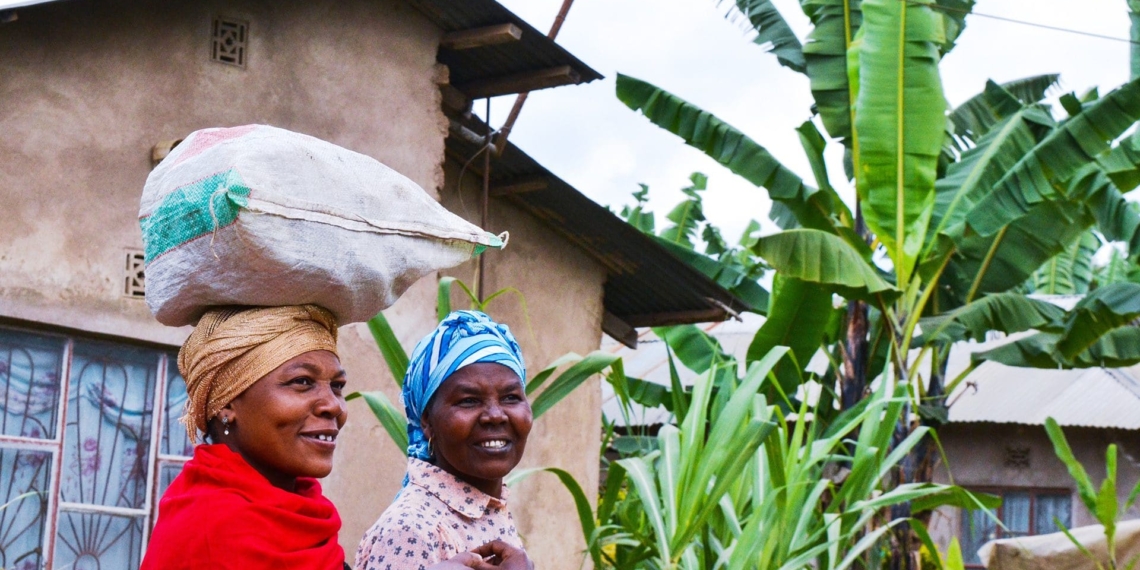
As Women’s Month comes to a close, conversations around the progress and future of land reform remain at the forefront. Yet, the vital role of women in agriculture receives far less recognition, even though they own and manage nearly 20% of farming enterprises across the country.
Women accounted for a third of the 896 000-strong agricultural workforce in the second quarter of 2024, according to the 2024 StatsSA Quarterly Labour Force Survey.
Sibongile Ntloko-Tabata, managing director of Sisata Management Services, said that though women comprise a critical mass in the agricultural sector and as beneficiaries of the land reform programme, they remain largely underrepresented in decision-making positions.
Sisata Management Services bridges the gap between communities, government, and the private sector, ensuring that development projects in areas affected by land reform are participatory, inclusive, and sustainable.
“Cultural norms, structural inequalities, and limited access to capital still hinder women from taking leadership roles in the sector.
Sibongile Ntloko-Tabata
“It is disheartening that patriarchal practices continue to stifle the potential of women in land reform, particularly on restituted land, when they have been shown to bring a developmental and people-centred approach that transforms the land into a productive, inclusive, and sustainable resource prioritising food security and livelihoods,” she said.
Untapped opportunities in land reform
Ntloko-Tabata said land reform should not be seen as a way of only correcting the past, but also about creating opportunities for inclusive growth, sustainable agriculture, and food security. If that could be the main focus, then greater success and impact would be achieved.
Related stories
- Food justice: Rural women launch campaign to end hunger
- Kagiso Trust CEO: Put soul into agriculture for real change
- Limpopo MEC: ‘Women’s place is not just in the field’
“Policies must go beyond quotas to ensure women have the skills, networks, and confidence to influence outcomes. We need tailored business development programmes for women, mentorship from experienced female entrepreneurs, and financial products that account for the realities women face, such as limited collateral,” she said.
Winnie Pooe, deputy chairperson of the Coromandel Farmers Trust, noted that spiralling unemployment, which disproportionally impacts black women, presents opportunities for women to consider pivoting and creating a livelihood in the agricultural ecosystem.
“The scarcity of job opportunities in our country renders opportunities created by the land reform programme a viable option for women and for young people who are adversely affected by joblessness. The agricultural sector is a dynamic industry with an extensive ecosystem where women and young people can create entrepreneurship and employment opportunities,” she said.
Pooe’s sentiments about untapped opportunities in the land reform space were echoed by Mpho Thaba, programmes and office administrator at Vumelana Advisory Fund. Thaba pointed out that women are at the forefront of driving projects, working the land, and managing finances in many farming communities.
“What’s really stood out to me is their resilience and commitment, even when faced with challenges, women continue to push for progress and look after their families and communities at the same time.
“What’s often misunderstood is that land alone isn’t enough; people also need support, funding, and skills to use that land in a way that helps their lives and communities. Some also think land reform is a quick fix, but it takes time, planning, and teamwork. It’s not just a government issue, either; everyone has a role to play, including private sector partners and the communities themselves,” she said.
Learning from other women
Pooe advised women who are interested in venturing into agriculture to connect with people already working in the space, to ask questions, and to volunteer where possible to learn the ropes.
“Don’t be shy to reach out for guidance. Land reform and development need fresh ideas and strong voices, especially from young women. Believe in your value, stay curious, and keep learning. It’s not always easy, but your contribution can make a real difference,” she said.
Chief executive of the Vumelana Advisory Fund, Peter Setou, said the South African agricultural sector achieved a record high of about R255 billion in 2024. He echoed that Agoa has played a critical role in trade with the United States.
He said the US accounts for about 4% of SA’s agricultural exports. Products such as citrus, grapes, wine and fruit juices have benefited from duty access. With the exclusion from Agoa, South Africa faces tariffs that will make it harder to compete against countries with duty-free access or lower tariffs.
“Whilst the changes will no doubt have an impact on South Africa and the economy, the land reform programme must be supported and positioned to benefit from market expansion to Brics countries, Africa, as well as other strategic export markets.
“We need to work in concert to come up with innovative solutions that will not only ensure that we speed up the land reform programme, but that we do so in a way that integrates women in decision making and participates in the value chains such as agro-processing in a meaningful way,” Setou said.
READ NEXT: Minister Nyhontsho: ‘Govt need to cut red tape on land reform’