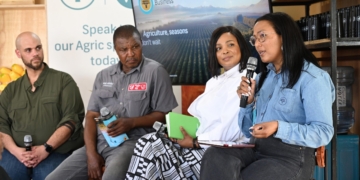
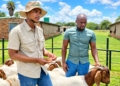
North-West University (NWU), in partnership with the North West department of agriculture and rural development, held an extensive three-day workshop on beef beneficiation and goat aggregation. This is to equip agricultural stakeholders in the province with the essential tools and knowledge to conceptualise and establish an agri-hub that will serve the community effectively.
Madoda Sambatha, the MEC of agriculture and rural development in North West, emphasised the importance of the agri-hub concept and the university’s potential leadership in this initiative.
He pointed out that the university has a wealth of researchers who can significantly contribute to establishing the agri-hub within the province.
Improving quality of livestock
“It is highly advantageous for this project to be directed by the NWU, as it will remain insulated from disruptions caused by changes in administration or the MEC. Such transitions often hinder the success of projects due to resulting shifts in priorities at the leadership level,” he said.
Sambatha was leading a delegation from the department which included Bothoboile Pule, acting head of the department, and Richard Keothaile, chief director of the department of rural development and land reform.
Related stories
Meanwhile, the university’s delegation was led by Prof David Modise, executive dean of the faculty of natural and agricultural sciences. Modise said this collaboration is both timely and essential.
“The primary objective is to coordinate all stakeholders to work together to improve livestock quality for the benefit of communities and farmers. This workshop represents the first phase of our efforts.
“In the future, we may consider expanding to include additional commodities, while staying mindful of the memorandum of understanding between the university and the department, and our collaboration with the colleges of agriculture within the province,” he said.
The university’s honorary doctorate recipient, Dr Monametsi Chiepe, an esteemed earth scientist, social entrepreneur, and farmer from Botswana, expressed his satisfaction in sharing his expertise for the agri hub.
“I am collaborating with the university and the department to outline a programme specifically designed to support farmers, particularly in the beef and goat sectors. Our objective is to ensure that small-scale and subsistence farmers derive benefits from the value chain, enabling them to advance towards becoming commercial farmers,” he said.

The workshop included a comprehensive tour of Molelwane Farm, conducted by the farm manager, Hannes Lombard. He provided participants with an overview of the current farm activities and the existing structures that will be utilised when the agri-hub becomes operational.
Benefits to the communities
Farmer Andrew Aphane of Aphamo Boerdery delivered a presentation on the management of feedlots, abattoirs, and the comprehensive value chain that has the potential to benefit North West communities once the agri-hub is operational.
“The agri-hub will serve as a centre of excellence dedicated to enhancing livestock genetics, optimising animal feed, and facilitating research. It will provide farmers access to significant research outcomes, enabling them to adopt methodologies that have been validated by experts as effective,” he said.
Local chief Phenyo Motshegare commended the collaborative efforts of the university and the department for their shared vision that promises to benefit the entire province.
“As traditional leaders, we are encouraged by initiatives of this nature that aim to enhance our communities. We anticipate significant improvements in our agricultural fields and livestock, and we are prepared to provide the necessary support to ensure the success of this project,” he said.
READ NEXT: Compliance costs hinder growth of SA’s essential oil industry
Sign up for Mzansi Today: Your daily take on the news and happenings from the agriculture value chain.