Friday, May 22, 2026
SUBSCRIBE
21 GLOBAL MEDIA AWARDS
Food For Mzansi
  • News
  • Changemakers
  • Lifestyle
  • Farmer’s Inside Track
  • Food for Thought
No Result
View All Result
  • News
  • Changemakers
  • Lifestyle
  • Farmer’s Inside Track
  • Food for Thought
No Result
View All Result
Food For Mzansi
No Result
View All Result
in News

Rising oil prices squeeze SA grain growers ahead of planting season

Global tensions are hitting home for South African farmers. Rising Brent crude oil prices are pushing up diesel and fertiliser costs, two of the biggest expenses in grain production. With planting season approaching, producers face serious financial strain

by Staff Reporter
27th March 2026
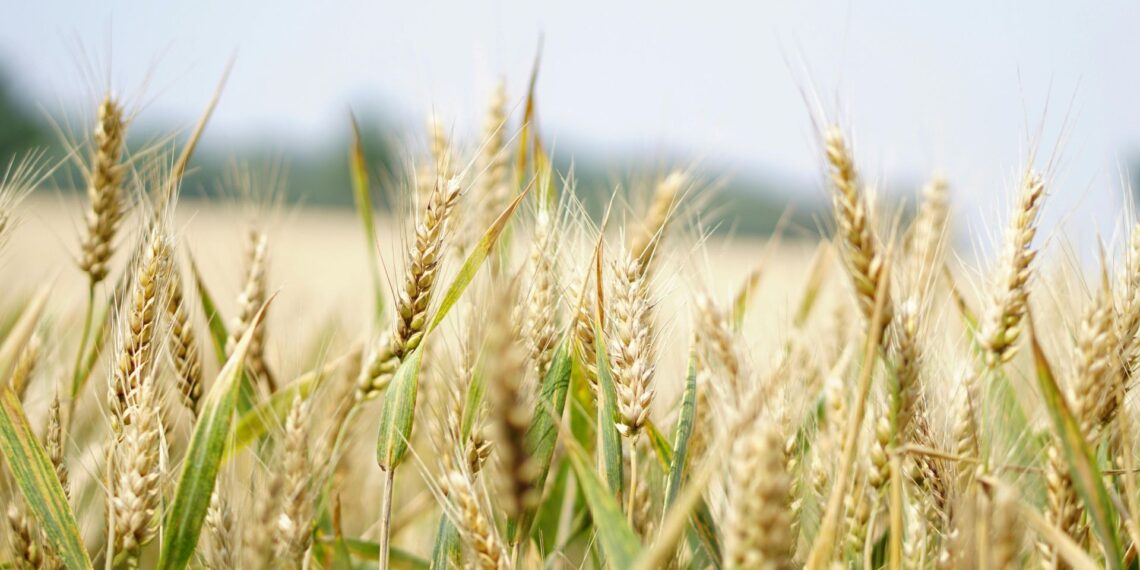
Grain SA has raised alarm over escalating input costs ahead of winter planting, cautioning that diesel and fertiliser price hikes could severely impact farmer viability. Photo: Pexels

Grain SA has raised alarm over escalating input costs ahead of winter planting, cautioning that diesel and fertiliser price hikes could severely impact farmer viability. Photo: Pexels

Share on FacebookShare on TwitterShare on WhatsApp

Grain SA said the ongoing Middle East conflict is driving volatility in global energy markets, with Brent crude oil prices rising sharply in recent weeks. The knock-on effect is already pushing up diesel and fertiliser costs, placing growing pressure on South Africa’s grain and oilseed producers.

According to Grain SA, diesel makes up between 13% and 15% of a grain and oilseed producer’s variable production costs, and South Africa imports a significant share of its domestic diesel requirements. This leaves the agricultural sector highly vulnerable to global price shocks.

Fertiliser, of which more than 80% is imported, accounts for 30% to 50% of producers’ variable production costs, meaning rising energy prices place farmers under compounded cost pressure.

Pressure on consumers, transport operators, farmers

“Grain SA has, in recent correspondence to the department of mineral resources and energy and the National Treasury cautioned that current trends could result in a substantial increase in the next regulated diesel price adjustment, exceeding R8 per litre, a development that would place additional financial pressure on consumers, transport operators and key sectors of the economy with the impact particularly severe for the agricultural sector,” the organisation stated.


Related stories
  • Middle East war: Fuel, fertiliser hike could deal double blow to farmers
  • Grain SA CEO calls for overhaul in agricultural education
  • UFS, Grain SA join forces for maize innovation
  • Protecting SA’s green gold: Illegal plant trade threatens biodiversity

The chairperson of Grain SA, Richard Krige, expressed deep concern about the pressure producers are facing, describing it as “one of the most significant cost shocks in recent years”.

“As South Africa prepares for winter cereal planting and the harvesting of summer crops, the combined effects of rising diesel and fertiliser prices present one of the most significant cost shocks to producers in recent years. Without temporary relief and responsible behaviour from all players in the value chain, the impact on farmer viability and therefore food security could be severe,” he said.

Higher input costs disrupt food production

Krige’s comments echo concerns raised in Grain SA’s formal submissions to government, which note that fuel constitutes around 14% of total production costs in primary farming and that energy‑driven increases directly influence fertiliser prices, further amplifying cost pressures across the grain value chain and creating an adverse impact for grain and oilseed producers.

Grain SA has also written to the Fertiliser Association of South Africa (Fertasa) after receiving reports that some fertiliser companies may be increasing prices based on global events, despite holding stock procured at lower pre‑conflict prices.

The organisation urged suppliers to avoid opportunistic or unjustified price increases during this critical period for winter cereal producers, particularly in the Western Cape.

The chief executive officer of Grain SA, Dr Tobias Doyer, emphasised the importance of industry‑wide responsibility.

“Global crises should not be used as a pretext for unnecessary price increases in South Africa. We are calling on fertiliser companies, fuel suppliers and government partners to work with us to stabilise the sector during this volatile period.

“Farmers cannot absorb unlimited input‑cost shocks, and South Africa cannot afford disruptions in food production,” he said.

READ NEXT: SA fruit exporters urged to innovate amid shifting global trade

Sign-up for the latest agricultural news delivered straight to your inbox every day with Mzansi Today!

Staff Reporter

Researched and written by our team of writers and editors.

Tags: Future-focused farmergrain industryGrain SAInform me
Diamond fibre: How Angora farmers can crack the mohair market
Farmer's Inside Track

Diamond fibre: How Angora farmers can crack the mohair market

by Vateka Halile
20th May 2026

South Africa dominates the global mohair trade, producing half the world's supply through an intricate pipeline stretching from Karoo farms...

Read moreDetails

Climate variability moves from background risk to core driver of South African agriculture

20th May 2026
Plan before you plant: Key insurance lessons for SA farmers

Plan before you plant: Key insurance lessons for SA farmers

20th May 2026
Small-scale farmers stand to benefit from new infrastructure at Dube AgriZone 2 in KwaZulu-Natal, which will provide access to packhouses, cold storage and logistics support near King Shaka International Airport. Photo: Supplied/Food For Mzansi

KZN’s agri gateway grows: Dube AgriZone 2 opens new doors

20th May 2026

Infrastructure crisis deepens strain on storm-battered fruit farmers

19th May 2026

SA growers turn up the heat in Europe with grapefruit campaign

Beating the rot below ground: How to protect your root crops

Limpopo farmers’ day: Collaboration, compliance take centre stage

Infrastructure crisis deepens strain on storm-battered fruit farmers

Steenhuisen boosts SA’s FMD fight with 2 million more vaccines

Join Food For Mzansi's WhatsApp channel for the latest updates!

JOIN NOW!
Next Post
The Women on Farms Project says farm workers in the Western Cape are exposed to pesticides by virtue of working in the vineyards and they do not have any protective clothes, gloves, or masks, when they are doing the spraying or working in the vineyards. Photo: Supplied/Food For Mzansi

CGE: Women farmworkers still trapped in systemic exploitation

THE NEW FACE OF SOUTH AFRICAN AGRICULTURE

With 21 global awards in the first six years of its existence, Food For Mzansi is much more than an agriculture publication. It is a movement, unashamedly saluting the unsung heroes of South African agriculture. We believe in the power of agriculture to promote nation building and social cohesion by telling stories that are often overlooked by broader society.

Green economy pathways offer hope for SA’s unemployed youth

Thozama teaches Khayelitsha’s kids to grow their own food

Middle East tensions and fuel hikes threaten SA food prices

SA growers turn up the heat in Europe with grapefruit campaign

Limpopo farmers’ day: Collaboration, compliance take centre stage

Wild at heart: Shane Ngwenya swapped fear of snakes for science

  • Awards & Global Impact
  • Our Story
  • Contact Us
  • Cookie Policy
  • Privacy Policy
  • Copyright

Contact us
Office: +27 21 879 1824
News: info@foodformzansi.co.za
Advertising: sales@foodformzansi.co.za

Contact us
Office: +27 21 879 1824
News: info@foodformzansi.co.za
Advertising: sales@foodformzansi.co.za

  • Awards & Global Impact
  • Our Story
  • Contact Us
  • Cookie Policy
  • Privacy Policy
  • Copyright
No Result
View All Result
  • News
  • Changemakers
  • Lifestyle
  • Farmer’s Inside Track
  • Food for Thought

Copyright © 2024 Food for Mzansi

This website uses cookies. By continuing to use this website you are giving consent to cookies being used. Visit our Privacy and Cookie Policy.