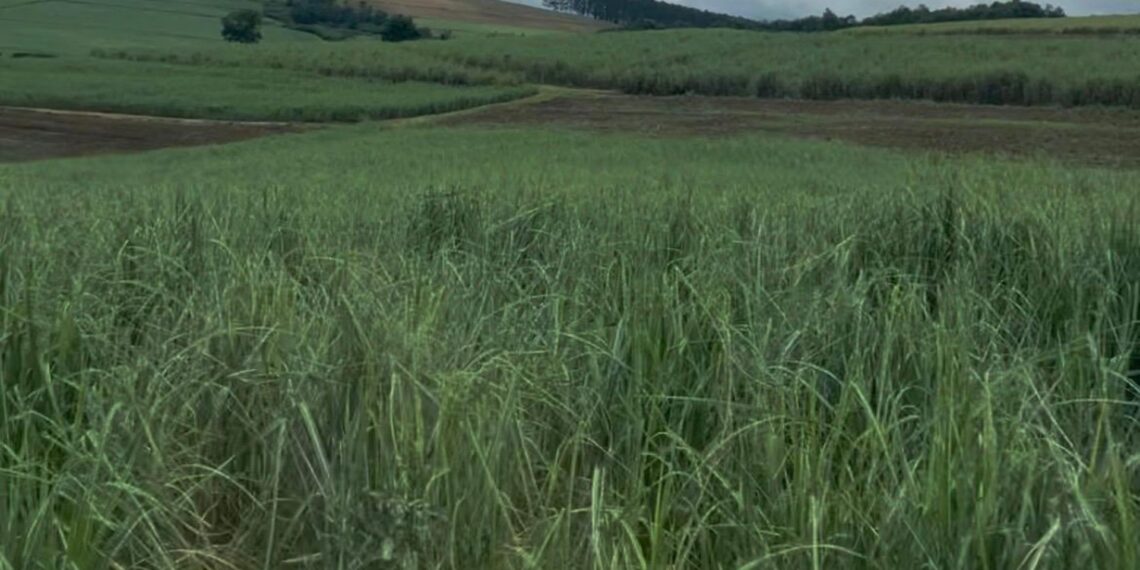
South Africa’s sugar industry is at a crisis point, with new data showing that sugar imports in the first five months of 2026 are nearly double what they were in the same period last year, displacing locally produced sugar from local shelves while food and beverage producers buy increasing quantities of imported sugar.
In a statement, the SA Canegrowers are calling on the minister of trade, industry and competition, Parks Tau, to intervene decisively and finalise the update to the tariff mechanism so that it reflects current market realities. It said an adjustment is now an immediate necessity.
The organisation said the International Trade Administration Commission (ITAC) is currently assessing whether sugar tariffs are at the correct level, after an application submitted by the industry more than 18 months ago.
Local sugar sales plummet
“According to SARS data, 94 984 tonnes of sugar were imported between January and May 2026, compared to 55 213 tonnes over the same period in 2025. Last year already saw unprecedented imports due to weak local tariff protection. In 2022, only 1 491 tonnes of sugar were imported between January and May, showcasing how rapidly the current tariff regime has fallen out of step with global sugar market realities.
“The impact on local sales is deeply troubling. Figures tracked by the South African Sugar Association for the period 1 April to 30 June 2026 show local sales of 255 015 tonnes, which represents a collapse of more than 45 000 tonnes compared to the same period in 2025. Before the tariff framework was eroded, local sales for the same period reached recent highs of 428 422 tonnes. In the space of a few seasons, nearly 175 000 tonnes of local sales have been lost for growers and millers,” SA Canegrowers stated.
Higgins Mdluli, chairman of SA Canegrowers, said every ton of locally produced sugar displaced by an import is a direct hit to a grower’s income, a mill’s viability, and a rural community’s stability. “The scale of what we are seeing now is nothing short of a crisis,” he said.
Related stories
- Sugarcane milling starts strong amid Tongaat crisis, cheap imports
- R30m boost for black sugarcane farmers through Kagiso Trust deal
- SA pork prices plunge amid local market surplus
- FMD milestone: North West vaccinates over one million cattle
Mdluli noted that the imports flooding South Africa’s market originate predominantly from countries like Brazil, India and Thailand, where growers benefit from generous state subsidies and integrated ethanol regimes that effectively allow surplus sugar to be offloaded onto global markets at prices below what it costs South African growers to produce sugar.
No benefit for SA consumers and producers
“Critically, local consumers see none of the benefit. This is not simply an industry problem: every imported bag of sugar that replaces locally produced sugar puts South African jobs, family incomes, and the survival of rural communities at greater risk, without making groceries cheaper for consumers.
“Import agents purchase this cheap sugar abroad and sell it locally at prices comparable to domestically produced sugar, pocketing the margin while South African growers, mill workers and the rural economies of KwaZulu-Natal and Mpumalanga suffer the consequences of lower domestically produced sugar sales,” he said.
Under South Africa’s sugar industry agreement, sugar that is left unsold in South Africa must be exported. SA Canegrowers said South African sugar sales in the already-distorted global sugar market lead to further losses. This is further eroding the local industry’s ability to recoup value from crushed and milled sugarcane, contributing to a projected price per tonne more than 10% lower than last year at roughly R6 600 per tonne as of July this year.
“Every week of delay in adjusting the dollar-based reference price costs the industry hundreds of millions of rands in displaced sales. We are not asking for special treatment. We are asking for the existing tariff mechanism to be implemented correctly to reflect a level playing field.
“South Africa’s sugar industry supports more than one million livelihoods, most of them in rural KwaZulu-Natal and Mpumalanga, where sugarcane farming is often the only source of stable income and economic activity for entire communities. Allowing it to be hollowed out by unfair imports, for want of an administrative tariff adjustment, would be unconscionable,” Mdluli said.
READ NEXT: SA pork prices plunge amid local market surplus