The signing of the second phase of the Sugar Industry Master Plan has offered a glimmer of hope to an industry under strain, particularly following the looming job losses linked to the provisional liquidation of Tongaat Huletts. Industry leaders and the government have reassured farmers that urgent measures are underway to protect jobs and stabilise the industry.
The first phase of the master plan, signed in November 2020, expired in March 2023. That phase focused on rescuing and stabilising the industry, which was struggling due to the confluence of factors, including the sugar tax, challenging economic climate, Covid-19 and social unrest.
The master plan is a mechanism championed by the department of trade, industry and competition (DTIC). It brings together sugar industry players around the table to work together and implement a framework meant to ensure the sustainability of the value chain.
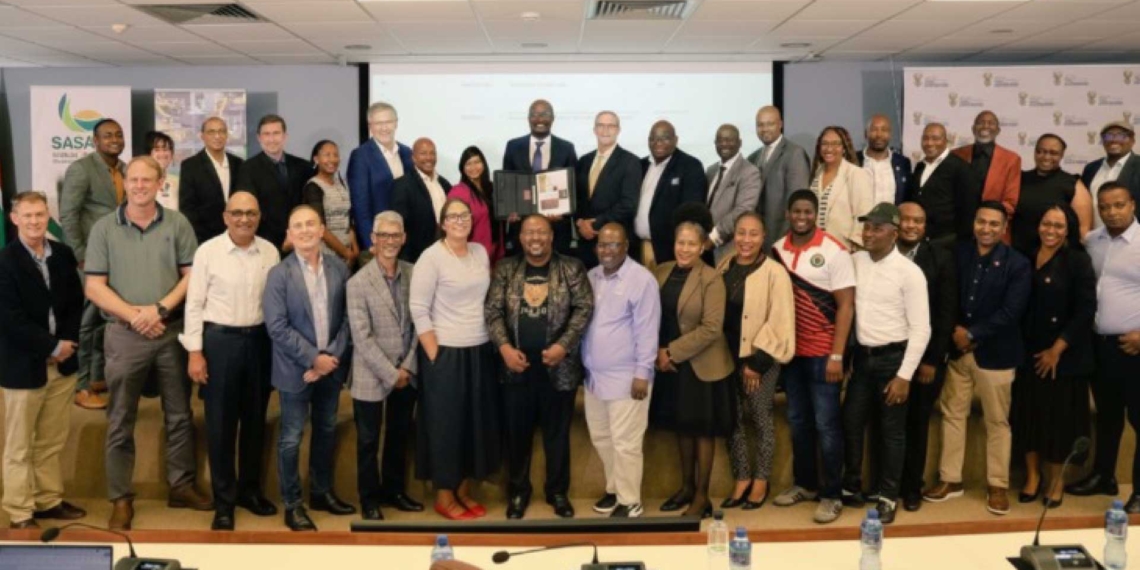
During the signing ceremony on Friday, 10 April, the deputy minister of the DTIC, Zuko Godlimpi, said, “I am closing the week feeling much more upbeat about the future of the sugar industry in South Africa.”
Small-scale growers central to sugar master plan
Godlimpi spent a few days before the signing ceremony visiting some key processing facilities of the sugar industry, which will be followed by farm visits in the future. He also launched foreign direct investments in one of the independent sugar companies during the visits.
Related stories
- Sugar crisis as Tongaat Hulett files for provisional liquidation
- Beyond sugar: How SA’s farmers are crushing it with diversification
- Drone spraying cuts costs, boosts yields for KZN sugarcane co-op
- Trade tensions rise as neighbours restrict SA farm goods
The master plan puts small-scale growers at the centre of the process by designating them as being foundational to the industry. Small-scale farmers are clear beneficiaries of the master plan, which introduced the premium price payment that is paid at the end of March each year. The sugar industry pays around R70 million to small-scale farmers per season as a premium price top-up.
In celebrating the framework signed on Friday, the executing chairman of Safda, Dr Siyabonga Madlala, said, “Safda welcomes the continuation and the affirmation of small-scale farmers as being foundational to the industry. Phase two must unlock diversification opportunities.
“We commend the department of trade, industry and competition, value chain partners, our very own industry and the broader stakeholder community for working together in agreeing on the framework being signed today.
“It has been a challenge to finalise this framework given some of the pains in the system that include US tariffs, impact of the Middle East war, escalating levels of sugar imports, business rescue and threat of liquidation for some sugar millers. We believe that the phase two partnership will protect the farmers, industry and the broader value chain and unlock future possibilities for all involved,” Madlala said.
Prioritising SA’s sugar industry is key
Higgins Mdluli, chairman of SA Canegrowers, said the second phase of the master plan is a commitment from all stakeholders to work together, diversify, and build a proudly South African industry.
“South Africa’s sugar industry is too important to fail. In signing the master plan, SA Canegrowers was expressing its commitment to work alongside the government and other stakeholders to build a resilient and sustainable sugar industry.
“SA Canegrowers is calling on retailers and food manufacturers to prioritise locally produced sugar, reinforcing support for livelihoods and rural development across South Africa,” he said.
READ NEXT: Young farmers tackle land tenure and market barriers