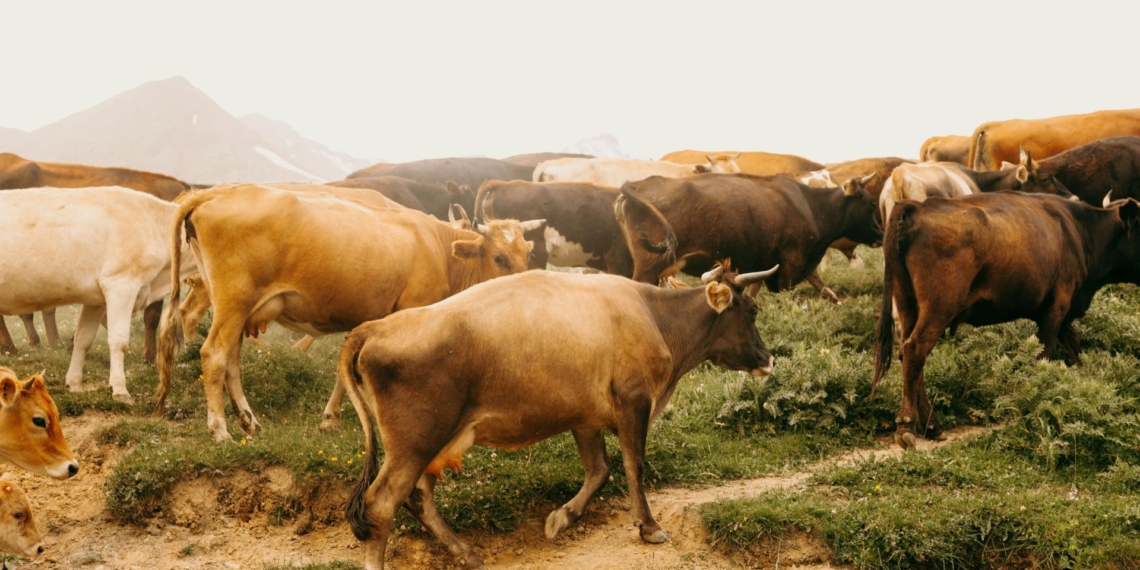
The South African beef industry faced significant challenges in 2024 due to the country’s low economic growth environment, though several bright spots emerged, particularly in exports. This provides cautious optimism for 2025, according to Beefmaster Group.
Chief executive officer of Beefmaster Group, Gert Blignaut, said last year was tough for the industry with slaughter prices continuing to fall, input prices such as feed prices rising, and farmers’ calf prices could not get off the ground. Consumers faced significant financial strain, resulting in low spending.
He said despite these challenges, production volumes showed remarkable resilience. “It is likely that we reached the highest slaughter figures of the last six years, with about 2.8 million cattle going to slaughter in SA.”
Positive past year drives improved outlook
However, he indicated that this increased supply and lower demand due to constrained consumer spending put additional pressure on prices throughout the year.
“It is likely that last year we exported the highest volume of beef in the last six years, in the region of approximately 38 000 tonnes,” Blignaut said.
He emphasised that exports only represent about 5% of production, indicating substantial room for growth. With beef being the second-fastest growing commodity in the agriculture sector, expanding export markets remains crucial, according to research from the department of agriculture, land reform and rural development.
Related stories
- SA’s beef and sheep prices surge as production rises
- Beefing up biosecurity measures offers hope for diseases in agri
Blignaut said the opening of the Saudi Arabian market was another positive development in 2024, along with other encouraging factors such as the government of national unity formation and the start of an interest rate reduction cycle, which could stimulate consumer spending this year.
He is also encouraged by the reduction in load shedding experienced in 2024. Recently Eskom announced that it had gone for 300 days without load shedding, the first time since 2018, with savings in diesel expenditure of R16.42 billion.
“We suspect that going into 2025, the consumer may start spending more. Possible further interest rate cuts, combined with the current outlook for the year, may mean we could be in a for a better year,” Blignaut said.
Biosecurity remains an ongoing challenge, particularly regarding foot-and-mouth disease (FMD) management, the highly contagious viral disease that affects cloven-hoofed animals and has persisted in SA.
“We are also concerned about drought conditions and how this may impact primary producers. But we [are] saying [to] primary producers, keep doing what you are doing. Tenacity is a superpower. Hang on, the rain will come,” he said.
READ NEXT: Poultry slaughterhouses urged to adopt sustainable water practices
Sign up for Mzansi Today: Your daily take on the news and happenings from the agriculture value chain.