The department of agriculture has called for more awareness ahead of World Rabies Day on 28 September. The department said it is time to unite behind the 2025 theme, “Act now: You, me, community,” in the fight against one of the world’s most deadly zoonotic diseases, which affects humans and mammals alike, rabies.
The department urges individuals, organisations, and decision-makers alike to take action and work collaboratively toward effective rabies control and prevention.
Minister of agriculture, John Steenhuisen, advised communities to take action in the fight against rabies.
“Rabies remains one of the deadliest but most preventable diseases. On World Rabies Day, we recommit to vaccination, awareness, and community partnerships that protect both human and animal health. Together, we can end rabies deaths in South Africa,” he said.
Protecting communities
Stakeholders have once again come together through the National Rabies Advisory Group of South Africa. This deadly disease remains a threat in all nine provinces, with significant hotspots in Limpopo, KwaZulu-Natal, Eastern Cape and the Free State/Lesotho border.
These provinces have historically reported the highest number of human rabies fatalities, the majority of which include cases where the disease was contracted from infected dogs.
In 2024, 344 laboratory-confirmed animal rabies cases were reported across South Africa and eight human rabies cases were confirmed between January and December 2024. A total of 242 animal rabies cases were recorded between 1 January and 31 August 2025, with nine human rabies cases confirmed and two probable cases between 1 January and 9 September 2025.
The director of animal health at the department of agriculture, Dr Mpho Maja, said government and the community needed to work together to organise or assist with vaccination campaigns, educate children and their families, hold each other accountable and push for stronger rabies elimination programmes.
“The best way to eat an elephant is one bite at a time”, consistent with this year’s theme, “Act now: You, me, Ccmmunity”, each one of us can make a small, consistent and deliberate effort (one bite), which will collectively result in eradicating dog mediated human rabies by 2030 (eating the elephant).
“For the 2025 calendar year, we are sitting at 11 human fatalities as a result of rabies, 11 deaths which could have been prevented if we all heeded the call to vaccinate our pets and break the domestic dog cycle of rabies,” Maja said.
Related stories
- Free rabies vaccinations in rural communities hailed a success
- Rabies alert: KZN seeks person linked to infected puppy drop
- Rabies: Vaccinate your pets before its too late – KZN govt
- World Rabies Day: ‘Non-vaccination leaves us vulnerable’
Vaccination can save lives
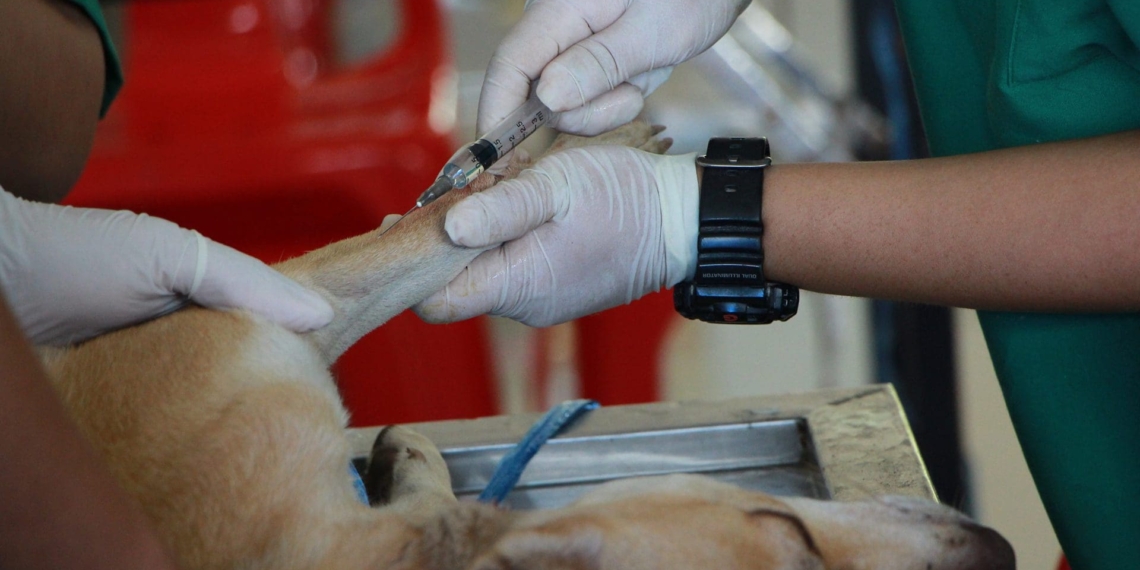
- Although rabies is 99,9% fatal once a person or animal shows clinical signs, it is also 100% preventable through vaccination of our pets and timely and correct treatment of exposed humans.
- Rabies is a deadly disease with no cure once symptoms appear. It can be transmitted to people by an infected animal’s bite, scratch, or lick. If a person is bitten, scratched, or licked by an animal suspected to have rabies (an unvaccinated animal showing odd behaviour or neurological symptoms), the person needs to wash the wound thoroughly with soap and running water and seek medical attention immediately. Post-exposure prophylaxis treatment will involve a series of rabies vaccinations and rabies immunoglobulin being injected into the wound (if the skin has been broken).
- If your dogs and cats are vaccinated against rabies, they form a protective barrier for your family and protect you. The same is true if everyone in your community ensures that their dogs and cats are vaccinated.
- Legally, every pet owner must have their dogs and cats vaccinated to protect both humans and animals against rabies. The first rabies vaccine is given at 12 weeks (three months) of age, followed by a booster vaccination between one and 12 months later. Thereafter, a booster is required every three years. In high-risk areas, annual vaccination is strongly advised!
- Remember that any mammal can become infected with rabies – this includes pets, wildlife, livestock, and humans. Wildlife species that can also host rabies include jackals, foxes, mongooses, and, more recently, cape fur seals.
“Through responsible pet ownership, learning more about rabies, creating awareness within our inner circles, educating others, and taking action within our communities, we contribute to a society safe from rabies. Stay informed, stay vigilant, ensure your pets are vaccinated and talk about the importance of rabies prevention,” Maja said.
READ NEXT: BFAP brief: Maize prices fall as meat costs remain high