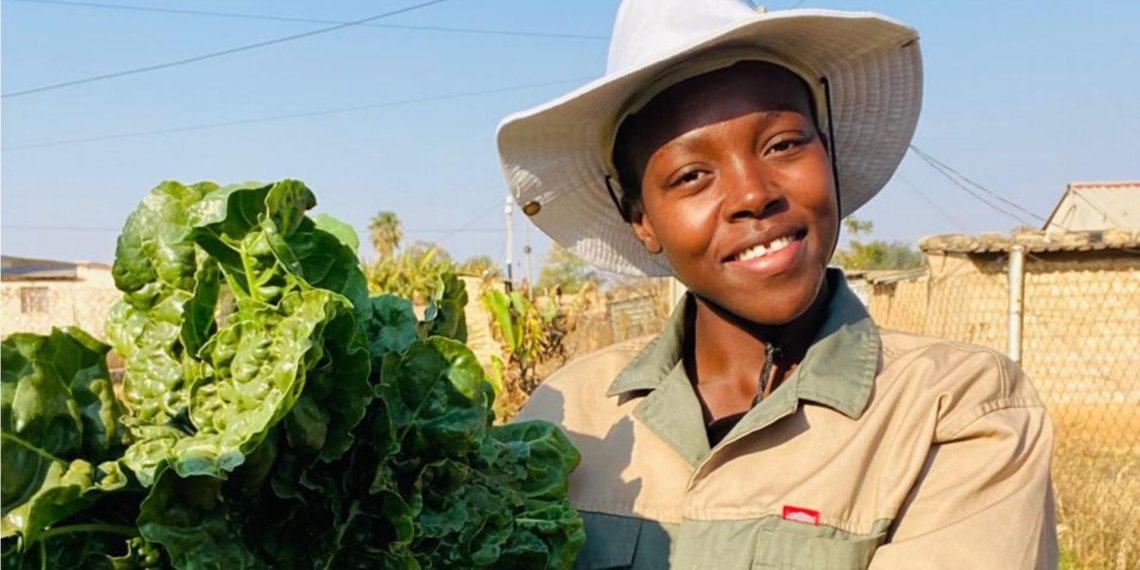
Long before she became a farmer, Thandi Mahlangu was helping her mother raise seedlings in the family garden. Years later, those same lessons became the foundation of Namaqandela Farm, a growing vegetable and egg business in KwaMhlanga, Mpumalanga.
For Mahlangu, 2024 was the year she stopped waiting for opportunities and started creating them.
Mahlangu matriculated in 2016 with a diploma and hoped to study journalism at the Tshwane University of Technology (TUT). “Unfortunately, I was not accepted because my APS score did not meet the admission requirements,” she says.
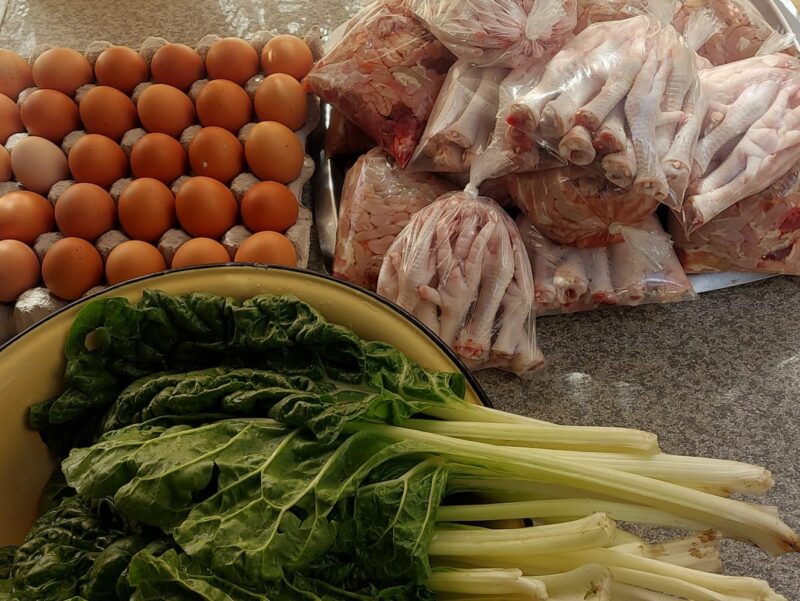
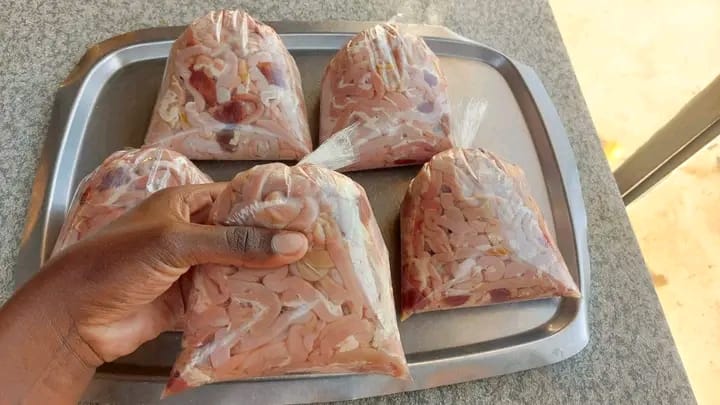
What she thought would be a gap year stretched from 2017 to 2020. With R500 from her mother, she spotted a business opportunity selling mala (intestines) and chicken feet.
“I travelled by bus to Pretoria to buy stock and sell it in my community,” she recalls. Although her family wanted her to focus on furthering her education, Mahlangu used the profits to save towards college registration.
Creating your own opportunities
In 2020, she enrolled to study electrical engineering. Four years later, she graduated, but finding work proved far more difficult than earning the qualification.
“I returned home and decided to create my own opportunities,” she says.
That decision led to the birth of Namaqandela Farm in 2024 in her family’s backyard.
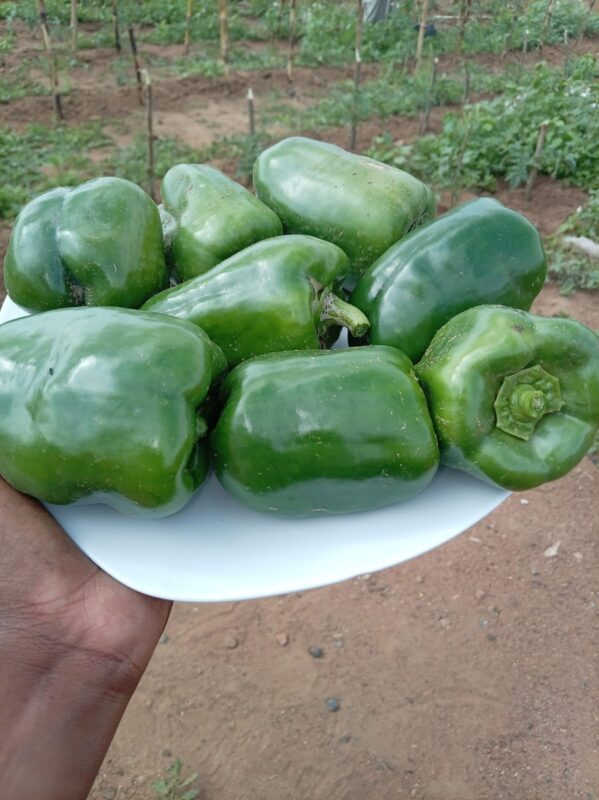
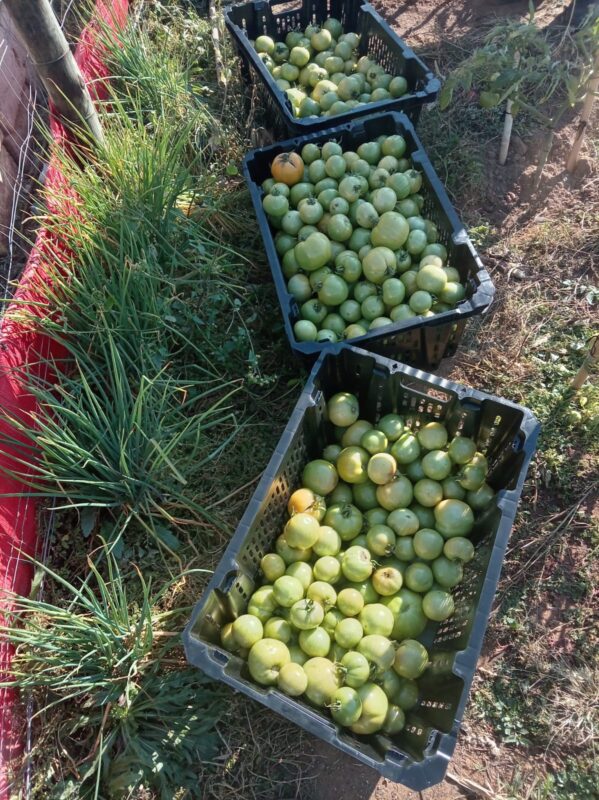
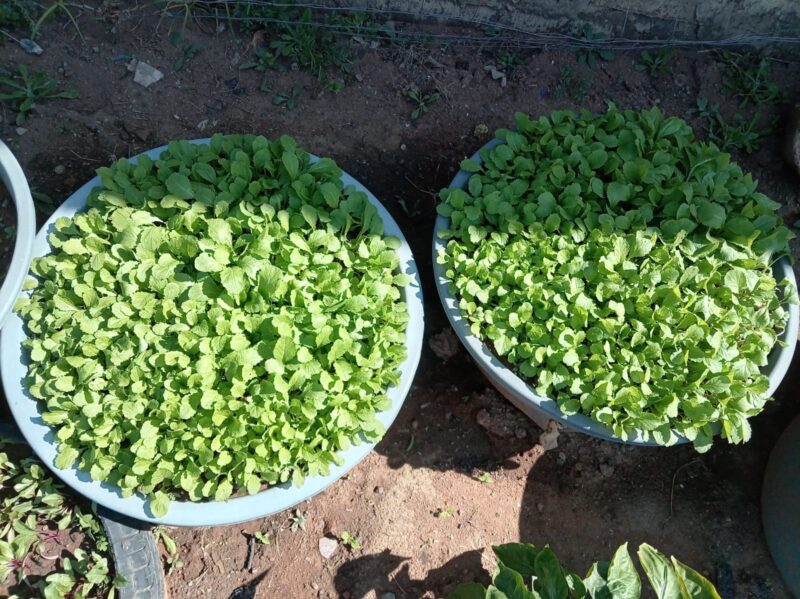
Namaqandela Farm started with mustard spinach, onions, beetroot, peppers, lettuce and tomatoes, while continuing her street-food trade.
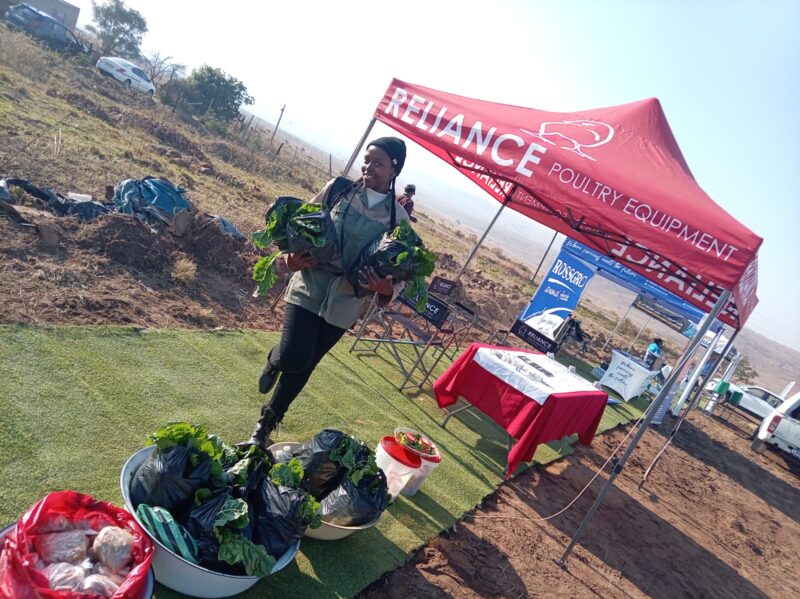
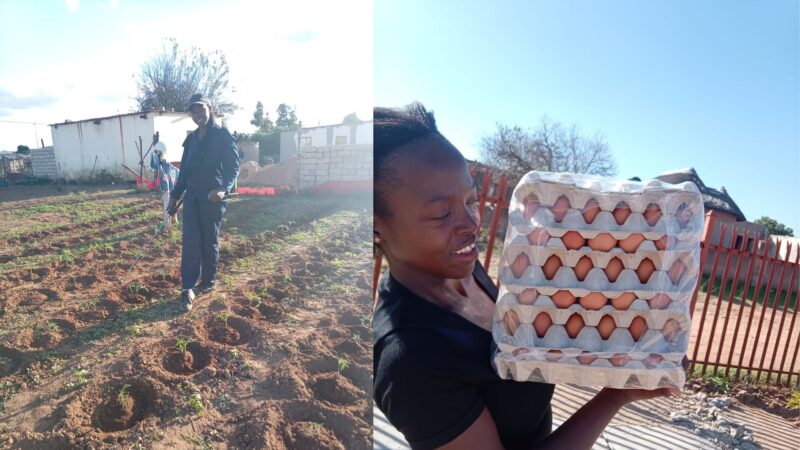
By 2026, she introduced egg sales after noticing strong demand in her community of Vlaklaagte No. 1, KwaMhlanga, Mpumalanga.
Mahlangu credits her mother for shaping the woman she has become. “She encouraged me never to rely on my beauty or depend on other people to provide for me, but to build a life through honesty, determination and hard work.”
Reinvesting every cent
Mahlangu says every opportunity she got to earn an income went back into growing the business. At some point, she worked as a school assistant.
She saved her stipend to buy fencing and irrigation pipes, and to pay someone to help prepare the land as she expanded production to half a hectare. “I kept putting every cent back into the business,” she says.
However, she adds that farming was never only about making money.
“I wanted to make sure my family did not have to buy every vegetable we needed. Harvesting fresh vegetables from my own garden and taking them straight to our kitchen made me proud.”
As her confidence grew, so did her production. Today, she supplies fresh vegetables to her community using open-field farming, preparing the land by hand, improving the soil with compost and using a JoJo tank for irrigation during dry periods.
Looking ahead, Mahlangu hopes to introduce more advanced farming methods and technology to increase production and improve efficiency.
From local sales to bigger markets
For Mahlangu, building relationships with customers is just as important as producing quality vegetables. Most of her customers come through word of mouth, while social media has also helped her attract new buyers.
For now, she sells within her community, but she hopes to expand into new markets as the business grows.
One of her biggest challenges is limited access to land, which restricts how much she can produce.
“I want to continue learning about farming and business management so that I can grow Namaqandela Farm into a successful commercial farming enterprise,” she says.
Mahlangu also practises crop rotation to maintain soil fertility, reduce pests and diseases, and improve soil health.
“I have learned that crop rotation is an important part of sustainable farming, and I plan my planting with this in mind.”
During winter, she grows mustard spinach, onions and beetroot, while peppers, lettuce and tomatoes are planted in summer.
Beyond farming, Mahlangu hopes her business can create opportunities for young people in Vlaklaagte, where unemployment remains a serious challenge. She believes agriculture can equip young people with practical skills while creating much-needed jobs in the community.
READ NEXT: Funding and raw truths inspire farmers in Mpumalanga