South Africans are fighting to protect their food heritage using two completely different strategies. While high-tech seed banks use deep-freezing vaults to shield rare varieties from climate disasters, community seed libraries hand out heirloom seeds directly to local growers.
They look different, but they share a single, urgent goal: keeping indigenous crops alive. One saves seeds for future emergencies, while the other keeps them thriving in local soil today. Together, they safeguard our food supply, helping to beat hunger for generations to come.
As the head seed librarian at the Seed Biblioteek of Schools Environmental Education and Development (SEED), Zayaan Khan is on a mission to safeguard the country’s agricultural heritage.
Operating permanent branches in Muizenberg and Mowbray, alongside a mobile unit in Mitchells Plain, the volunteer-led initiative survives entirely on a unique barter system. Instead of money, growers deposit compost, earthworms, or harvested seeds to keep the library running.
Yet keeping traditional varieties alive in urban spaces is an uphill battle, explains Khan.
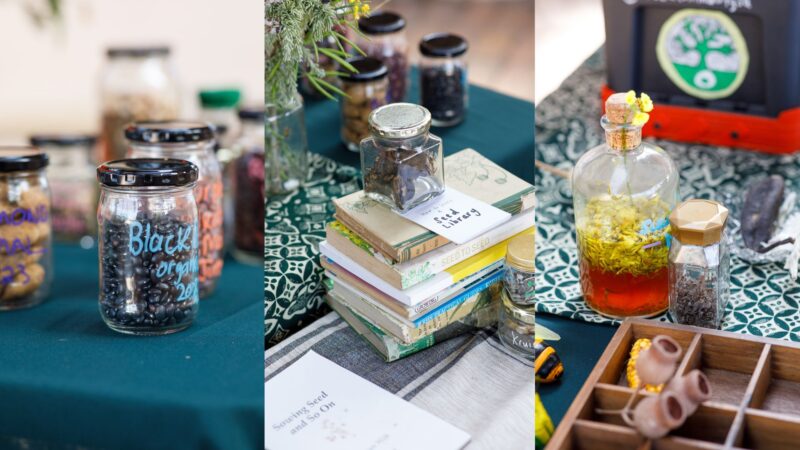
“The main challenge is access to land to grow the seeds,” Khan says. “What we’ve been doing is connecting with people who have space in their gardens or on farms, creating these custodian gardens.”
Because they firmly reject commercial, pesticide-dyed seeds, proper natural preservation is everything. Khan says they rely on traditional methods such as wood ash and diatomaceous earth to protect stocks from pests like weevils.
“Seeds must be thoroughly desiccated before storing,” she explains.
“Desiccation means that it’s dry, with just a molecule of water, so that it doesn’t die and can maintain that life force for much longer.”
Despite the spatial challenges, the growing interest in local seed saving proves the movement is striking a chord across communities. For Khan, every single seed holds value, even the ones that fail to sprout.
“We don’t turn the seed down,” she adds. “Seed that is not viable can be used to make musical instruments or artwork, so nothing is ever lost.”
Related stories
- High-quality seeds, high stakes for smallholder farmers
- Banking on seeds: Fowler’s bold plan for food security
- Bringing sorghum back: How Malebe is reviving indigenous grains
- Traditional seed saving: SA’s key to climate resilience
Guardian of the soil
For Xolelwa Khonkcoshe, an agroecology farmer based in Ncera village in kuGompo City (East London), a seed bank is just as vital as a financial one.
“A seed bank is where one stores seeds in dark, airtight containers,” she explains.
“Similar to a bank where one saves money, it is where one saves seeds. You can borrow or lend seeds, but they have to be returned after harvest.”
Xolelwa Khonkcoshe
This ancient practice, passed down by ancestors who selected and dried the best produce, ensures a constant food supply.
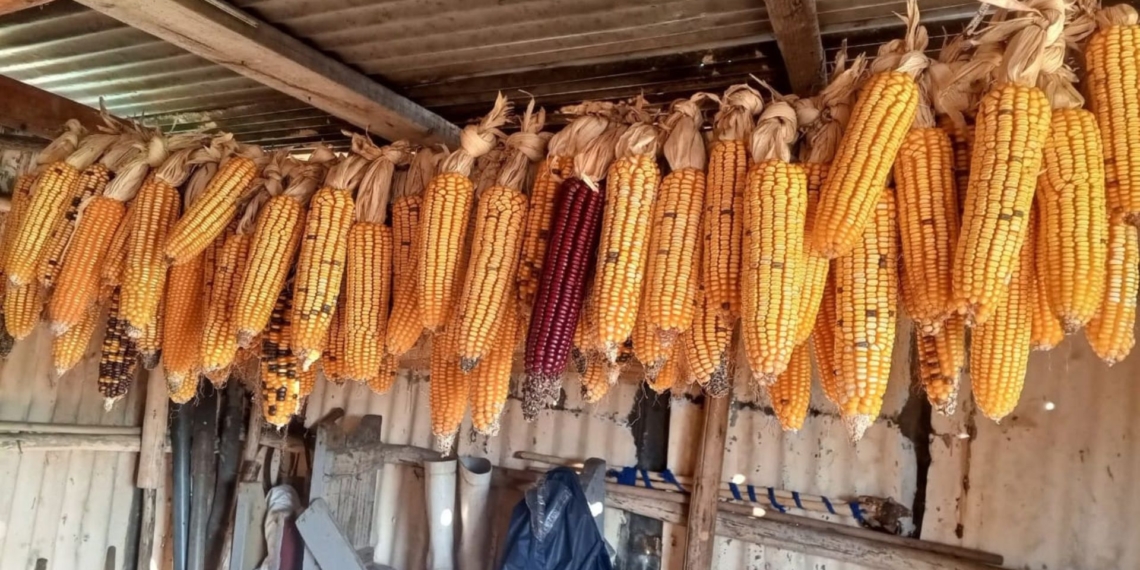
Today, she says, it is a crucial shield against climate change. During a brutally dry summer in the Eastern Cape, her maize failed, but her indigenous sorghum thrived.
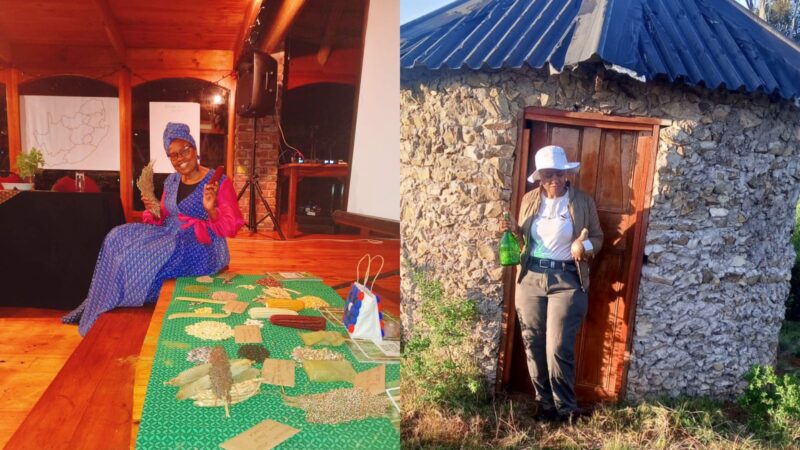
“Sorghum is resilient, very nutritious, and for me, it is the best choice to plant over maize,” she says.
She notes that despite severe bird damage, she still secured a bumper crop and saved seeds for the next season.
However, commercial hybrid and GMO-patented seeds threaten this independence, Khonkcoshe notes, as they cannot be saved. While the National Agroecology Framework of South Africa offers hope for community seed banks, she says true transformation must start at home to fix a broken health system.
“Even if we restored sorghum as our staple food instead of maize, malnutrition would be a thing of the past,” she explains. She notes that poor nutrition directly impacts school pass rates and fuels the rise of lifestyle diseases.
Experts outline the crucial synergy of seed networks
While community initiatives and conservation facilities both safeguard food systems, their roles are entirely distinct, says Dr Tshudufhadzo Chikhala, a horticulturist and postdoctoral fellow at the Tshwane University of Technology.
“Seed libraries focus entirely on localised, short-term rotation,” Chikhala explains. “They borrow seeds, grow them, and save the best seeds. They don’t freeze the seeds or store them for decades; it’s strictly local.”
Meanwhile, Dr Maanea Ramphinwa, a lecturer at the University of Venda’s department of plant and soil sciences, notes that these local collections directly promote community gardening.
“You borrow the seeds to plant and are expected to bring them back for future use,” Ramphinwa says.
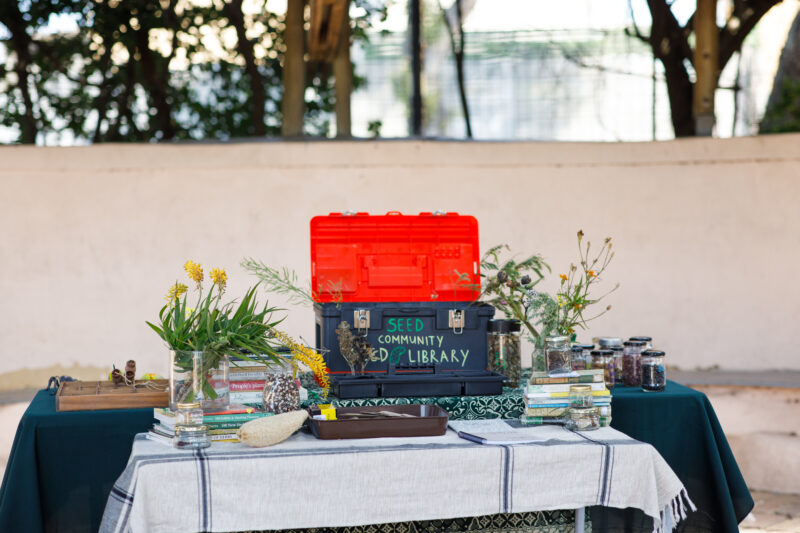
When it comes to seed banks, Chikhala notes that they function as long-term conservation vaults managed by governments, universities, and large organisations such as the South African National Biodiversity Institute (Sanbi).
“They have a long-term preservation system; they preserve rare, heirloom, or endangered crop varieties,” Chikhala says. “Some seeds are stored at -18°C or colder and can be stored for more than 100 years.”
Ramphinwa adds that this high-tech setup serves a deeply scientific purpose.
“Seed banks store seeds under controlled conditions to preserve their genetic makeup, protect endangered species, and support research,” Ramphinwa says.
ALSO READ: Why SA should embrace landrace seeds during global uncertainty