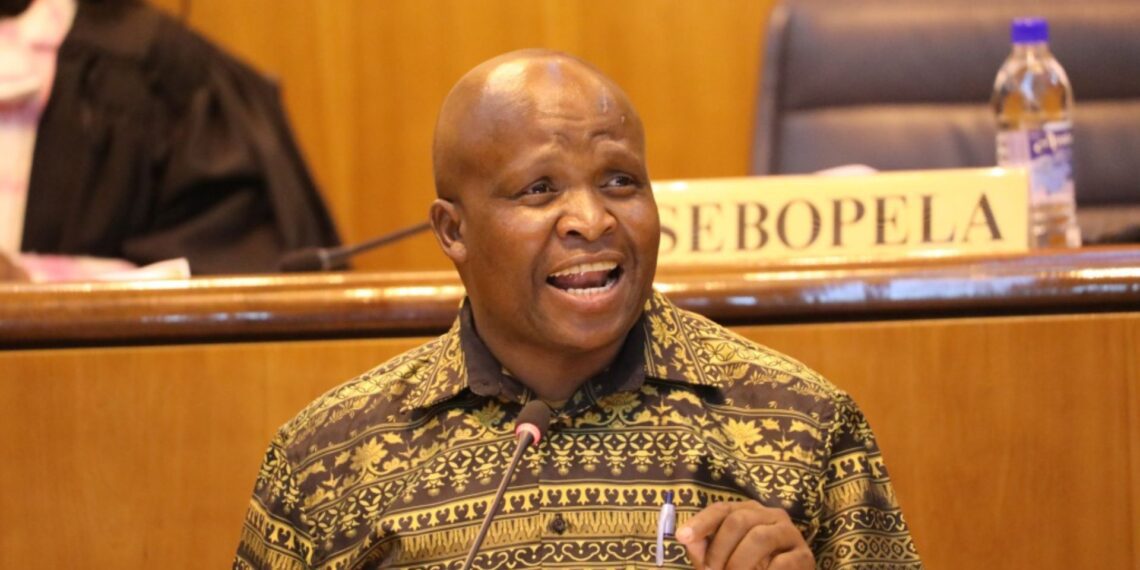
Farmer support and rural development were firmly in the spotlight when North West MEC for agriculture and rural development, Madoda Sambatha, delivered the department’s budget recently at the North West provincial legislature in Mahikeng.
The R1.2 billion budget sets out measures aimed at improving farmer support and strengthening agricultural production in the province.
A key feature of the budget is investment in farmer skills development, with R8 327 100 allocated to train more than 2 200 farmers in crop production, animal production and agro-processing. This training is expected to improve productivity and help farmers meet required standards.
Investing in farmer development
To strengthen ongoing support, the department has allocated R10 649 100 for farmer mentorship programmes. This will provide practical guidance to farmers and improve farm management and sustainability. In addition, R12 053 923 has been set aside to support unemployed agricultural graduates through training and stipends.
According to the department, this intervention aims to grow a new generation of farmers and build capacity within the sector. These combined initiatives bring the total investment in farmer development to R22 703 023, reflecting a focused effort to equip farmers with the skills and support needed to grow their enterprises.
“The budget also prioritises production support, with R153.1 million allocated through the Comprehensive Agricultural Support Programme (CASP). This funding will assist farmers with inputs such as seeds, fertiliser and infrastructure to improve output,” the department stated.
Related stories
- Farmers, researchers must walk regenerative journey together
- Bridging education gaps: Sambatha’s vision for NW agriculture
- NW Agricultural Show boosts farmers and local economy
- BFAP forum: Collaboration, traceability key to SA livestock future
To ensure farmers receive technical assistance, Sambatha has announced a budget of R35.5 million for extension and advisory services. This will help improve access to expertise and strengthen service delivery across farming communities.
“This investment is meant to bring services closer to farmers and ensure that the support they need is available where they operate. Through strengthened extension and advisory services, we are working to improve access to technical expertise, enhance productivity and assist farmers to run sustainable and competitive enterprises,” Sambatha said.
Farmer want real growth opportunities
Farmers have welcomed the budget, noting its focus on practical support.
Kesaobaka Sejesho, an emerging poultry farmer and agro-processor from Christiana in the Dr Ruth Segomotsi Mompati District Municipality, said, “I am encouraged by this year’s DARD budget vote. It is refreshing to see a stronger focus on supporting youth, women, agro-processors, and poultry farmers. As an emerging poultry farmer and agro-processor working towards becoming a commercial producer, I finally feel seen and included in this vision.
“I am particularly encouraged by the commitment to commercialising emerging farmers, strengthening agro-processing, investing in skills development, and creating employment opportunities. These are the kinds of interventions that can transform small farming businesses into sustainable commercial enterprises,” Sejesho said.
The farmer said they hoped that the budget would translate into real opportunities on the ground, helping emerging farmers grow, create jobs, and contribute to the economy, especially after the significant employment losses the province has experienced.
“I look forward to seeing these commitments become tangible results, and I hope that next year we will be telling a very different success story for agriculture in the North West,” Sejesho said.
Echoing similar sentiments, Neo Mohlamme, a farmer from the Dr Kenneth Kaunda District, said the speech covered key areas affecting farmers, including rural projects and farmer development initiatives. She noted that it reflects the realities that farmers face and highlights areas that require attention.
She further welcomed the department’s plans to assist farmers without land, saying this would create opportunities for new entrants and enable more people to participate in agriculture and expand production.
READ NEXT: 39 young South Africans take on global food challenges