When tight finances after matric stalled his dreams, Motlalepule Mkhahle of eMbalenhle in Secunda, Mpumalanga, sought peace of mind by starting his own venture.
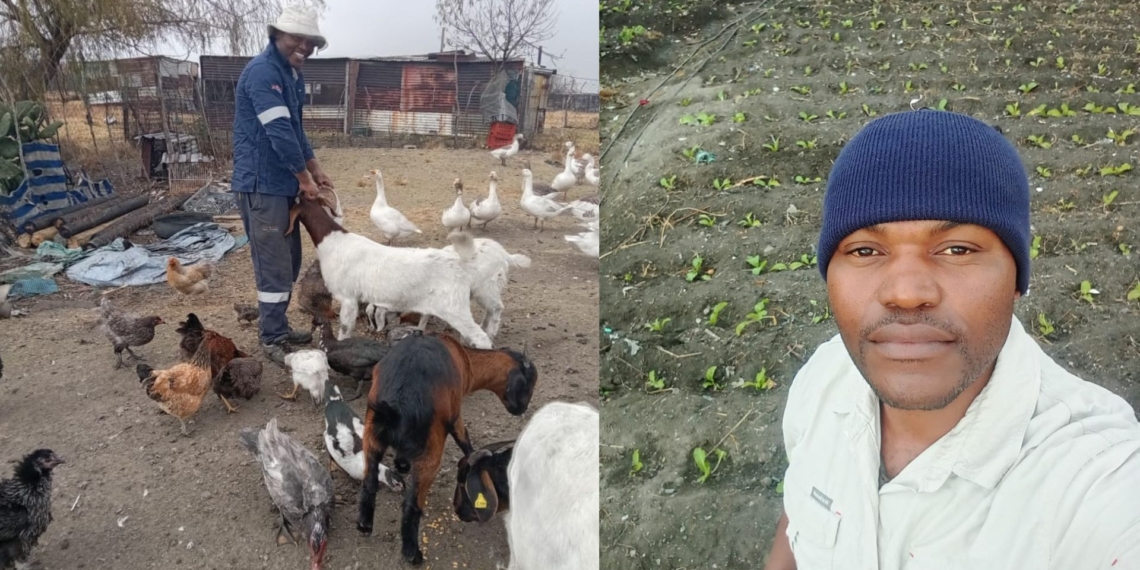
Inspired by agricultural radio and TV shows in 2017, he began mixing crops with livestock, including cattle, sheep, goats, poultry, and rabbits, on communal land. That led to the officially launched Pule the Farmer Pty Ltd.
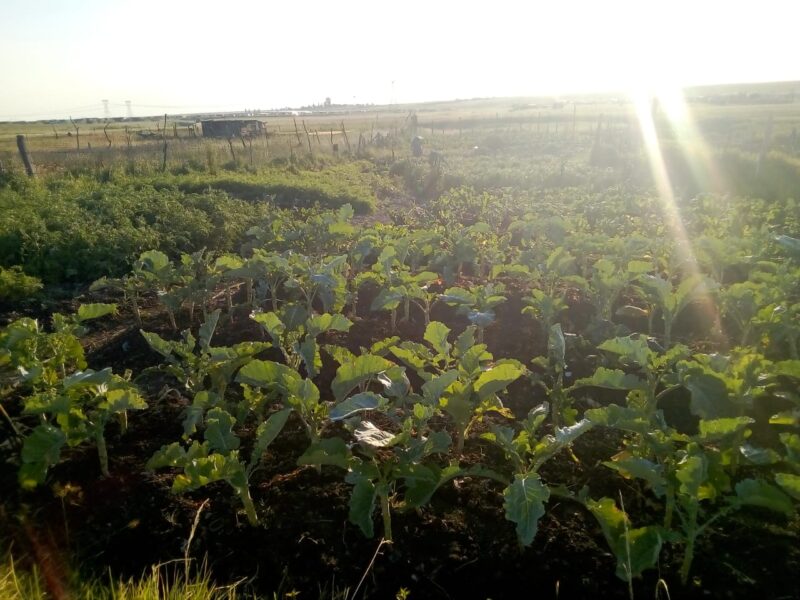
Currently operating on two hectares of municipal land, Mkhahle transformed what used to be a local dumping site into a productive plot.
Lessons learned the hard way
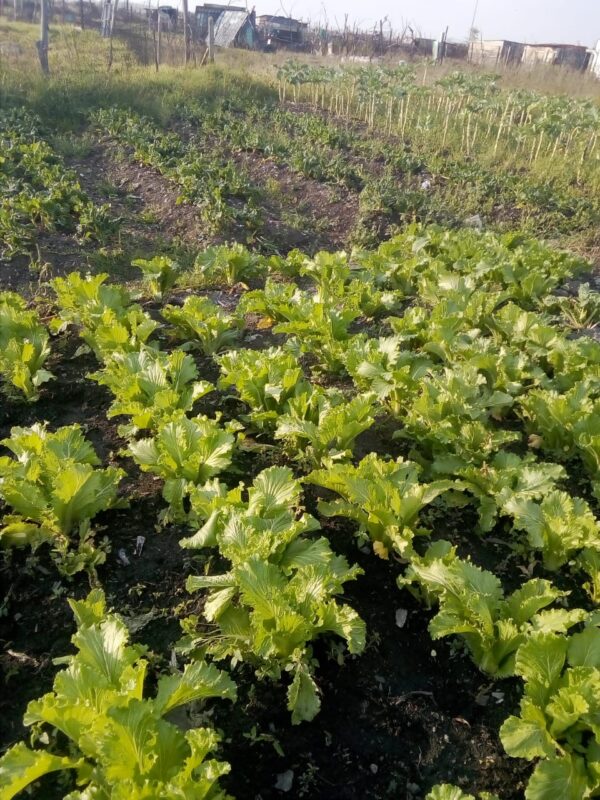
Mkhahle started his journey by visiting local farmers for inspiration, finding that it gave him the sense of purpose he had been looking for. Today, his signature crops are Ford Hook Master spinach in summer and mustard spinach in winter, alongside lettuce and chillies.
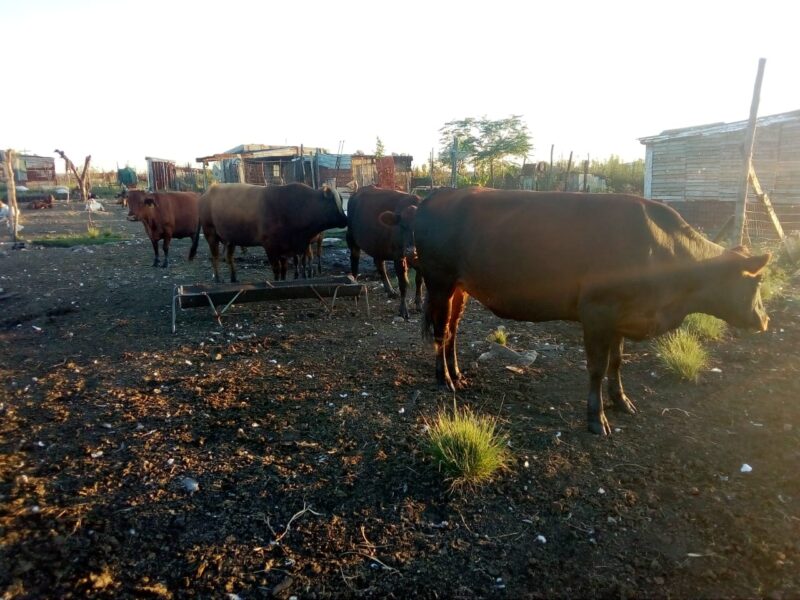
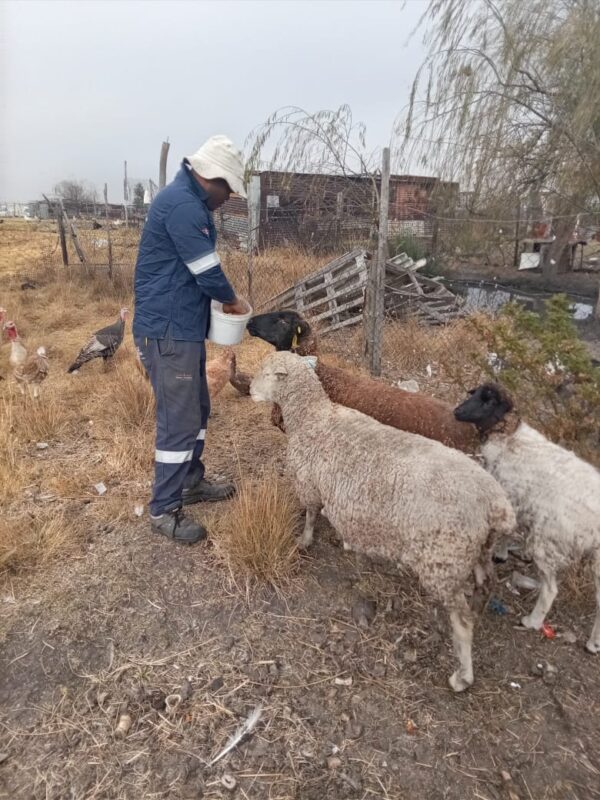
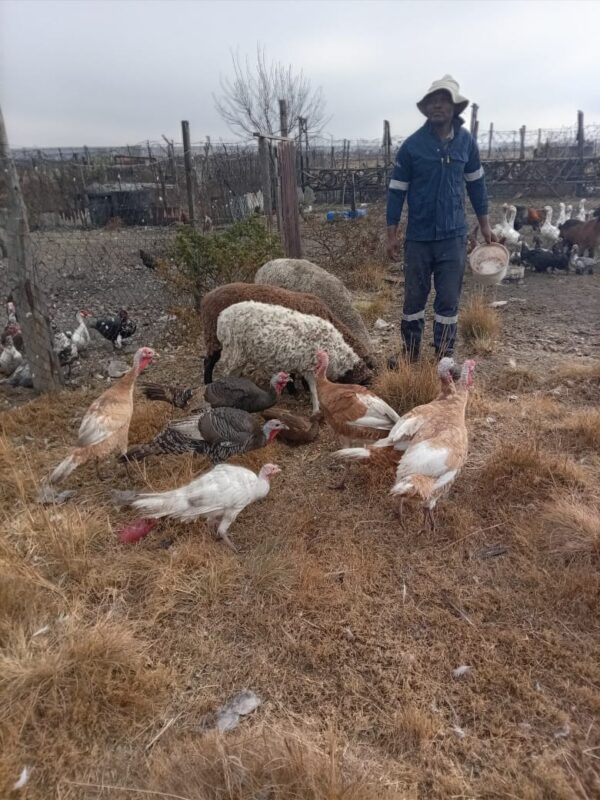
He chose his mix of livestock, cattle, sheep, goats, rabbits, and various poultry such as ducks, geese and guinea fowl because they are easy to maintain and have a low mortality rate.
“Take a guinea fowl for an example. They’re hard to steal at night because they sleep on the roof or in nearby trees,” he explains.
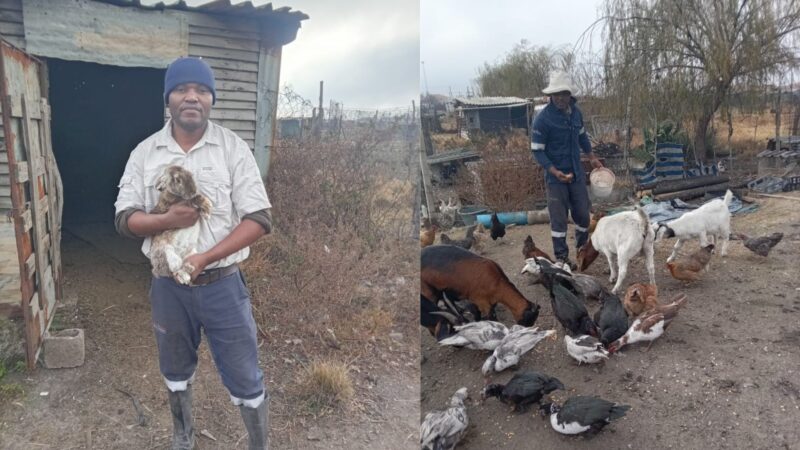
“Whenever you come close, they fly off, and they make a lot of noise whenever they see something not right, like snakes, a dog, a dead chicken, or a shadow.” Mkhahle adds that they are also great layers, producing around 40 eggs per hen.
But the journey hasn’t been without heartbreak. During the Covid-19 period, he bought six cows, only to lose two of them within three days of their first month.
“I was deeply hurt, and that took some time to recover,” Mkhahle recalls. “I was inexperienced then. Even local dogs would kill one or two sheep or goats.”
That painful lesson taught him that security is vital. After those losses, he built a proper shelter to protect his livestock from both predators and harsh weather.
Related stories
- Accidental farmer: Chumani’s pumpkin seeds sprout fertile dreams
- Thozama teaches Khayelitsha’s kids to grow their own food
- Soweto seedling farmer turns old school into thriving agri-hub
- Limpopo farmer finds peace, purpose in the harvest
The resourceful eKasi farmer
Mkhahle explains that sustaining a steady harvest requires matching crop varieties to the seasons, using heat-tolerant Fordhook Giant spinach in summer and switching to frost-hardy mustard spinach in winter.
He sells exclusively through informal channels, relying on word-of-mouth marketing to build his local clientele.
His biggest challenge is sourcing livestock feed during winter, which he solves by placing 20-litre buckets around the neighbourhood to collect leftover pap for his poultry and pushing a wheelbarrow through eKasi to gather vegetable scraps and potato peels from local kota vendors.
He cuts municipal utility costs by using a homemade rainwater harvesting and irrigation system fed by his roof gutters. Mkhahle manages soil fertility through tailored manure use: applying poultry manure directly to his crops, but composting cattle, sheep, and goat manure first to kill off weed seeds.
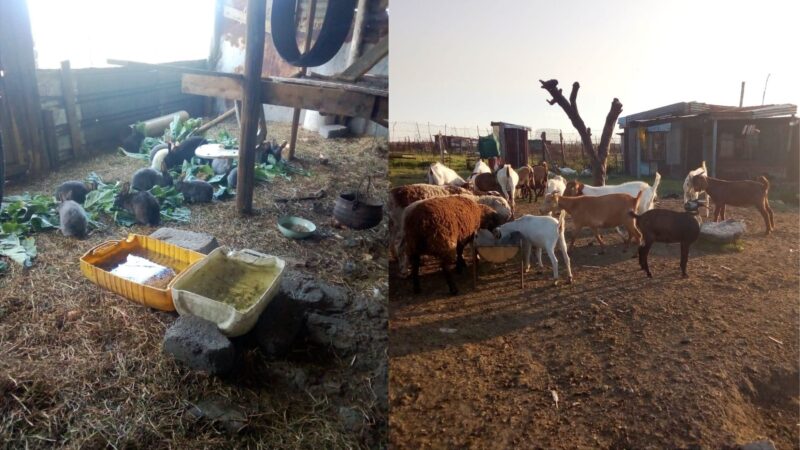
This diverse farming enterprise began with just five indigenous chickens gifted by a fellow farmer, which Mkhahle bred and sold to gradually acquire ducks, geese, and eventually larger livestock.
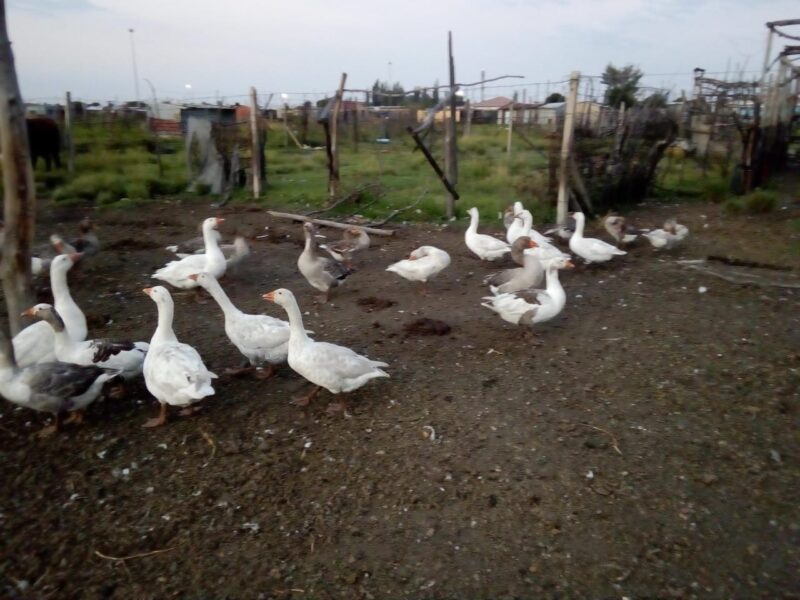
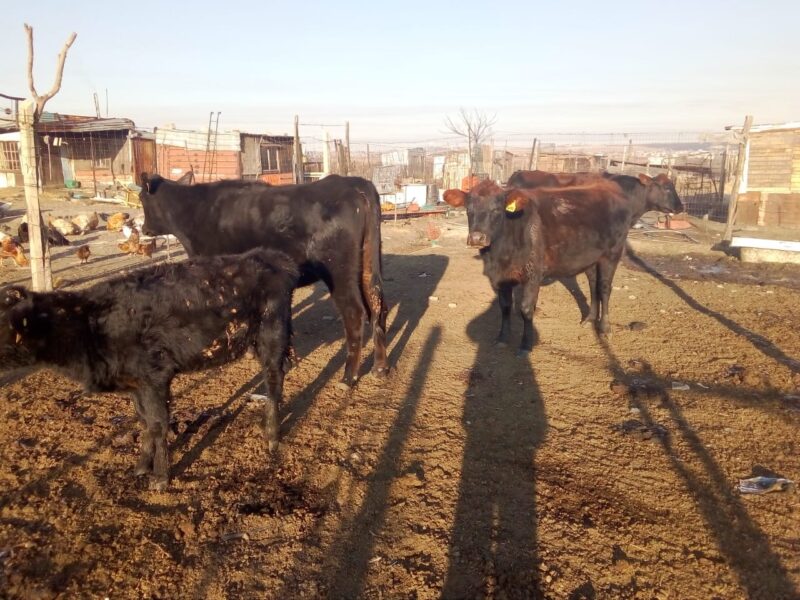
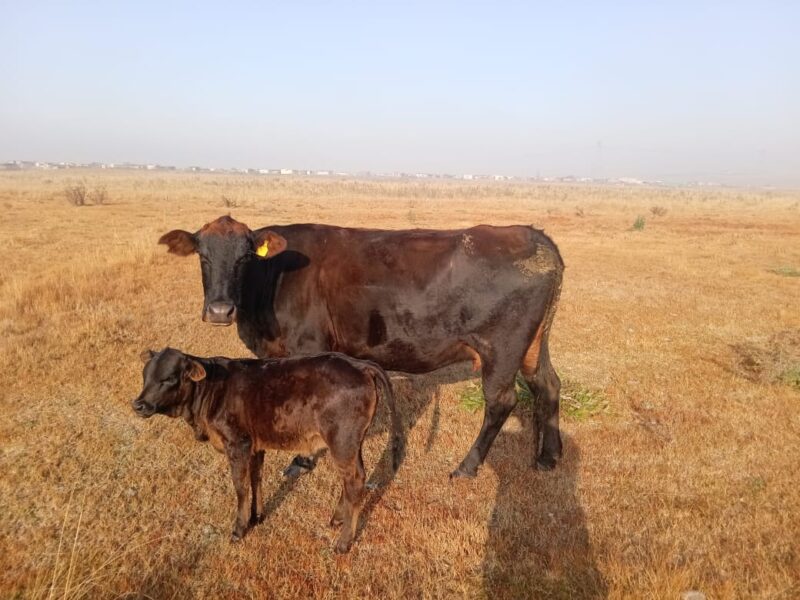
His current stock has decreased from peak numbers; now sitting at over 60 indigenous chickens, 25 ducks, 15 geese, 8 turkeys, 5 guinea fowls, pigeons (amajuba), one remaining rabbit, 15 sheep, 5 goats, and 3 cows. It has allowed him to support his family and buy a bakkie, a trailer, and a rotavator, with plans already underway to introduce Pocock poultry and emus next.
From dumping site to bumper harvests
Mkhahle finds that selling his livestock at auctions brings in a good return, as buyers actively bid against each other.
“They’ll be bidding for your product, and the highest bidder takes it, but the auctioneer will ask you if you agree to the price before hitting the hammer,” he explains.
For first-timers, he explains that the process simply requires registering for a bidding number, though sellers must bring a valid brand certificate to prove all animals are properly branded.
Looking ahead, his goal for Pule the Farmer Pty Ltd is to secure his own, larger land to cultivate his own feed, scale up his livestock, and expand his vegetable varieties.
Financial challenges kept Mkhahle from pursuing tertiary education after matric, a setback that now fuels his vision to create opportunities for others. Though he currently employs two seasonal workers, he wants to expand so he can shield more people from the frustration of unemployment.
READ NEXT: Madonsela: ‘Farming’s tough, but I’m not here to chill’