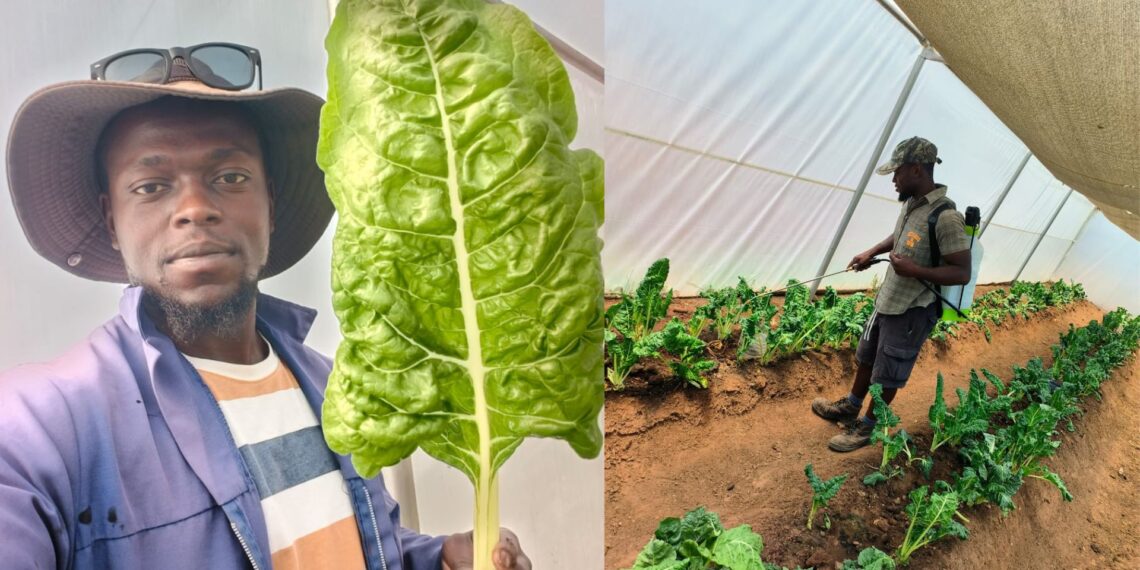
For Elliot Madonsela, it all began in Kwamhlanga’s gardens, where daily life revolved around growing food. That foundation sparked a clear vision, and by the time he entered university, his path was firmly rooted in agriculture.
Today, he’s the founder of Seedlings-R-US, an agribusiness based in Mpumalanga that specialises in seedlings, organic produce, and practical support for growers through agricultural and horticultural services. Madonsela began farming in 2019 during his BTech year at Tshwane University of Technology.
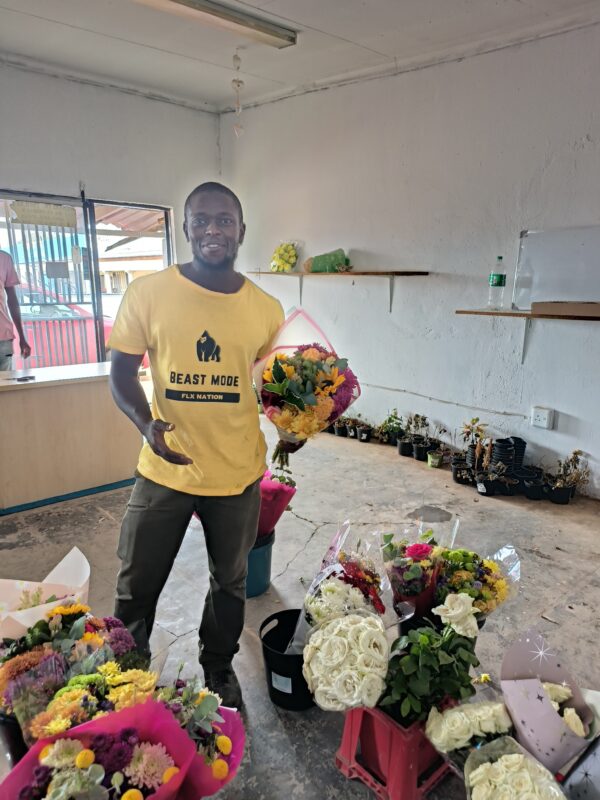
Back then, he was growing a mix of spinach, lettuce, herbs, Swiss chard, seedlings and flowers. “I have learnt that a lot of flowers are medicinal, more than is commonly known.”
At present, he’s growing spinach at a friend’s place. “There’s also a government facility where I’m starting a community programme,” he says. Madonsela also runs a small roadside garden shop, with all his farming activities taking place on plots smaller than a hectare.
Growing up among gardens
As a child, he was often found in the garden, tending to plants and enjoying the rewards of fresh food, a habit nurtured by his grandparents. In Kwamhlanga, he recalls, nearly every home had a food garden, often with indigenous and traditional crops like maize, citron melon, beans, and other vegetables.
Although he was raised around gardens, it was the joy of eating homegrown food that he loved most. Later, he saw its business potential, which inspired him to study agriculture.
“Right now, I’m focused on crops because that’s what I studied. Spinach is my main thing, but sometimes lettuce does well — and I always keep herbs in the mix.”
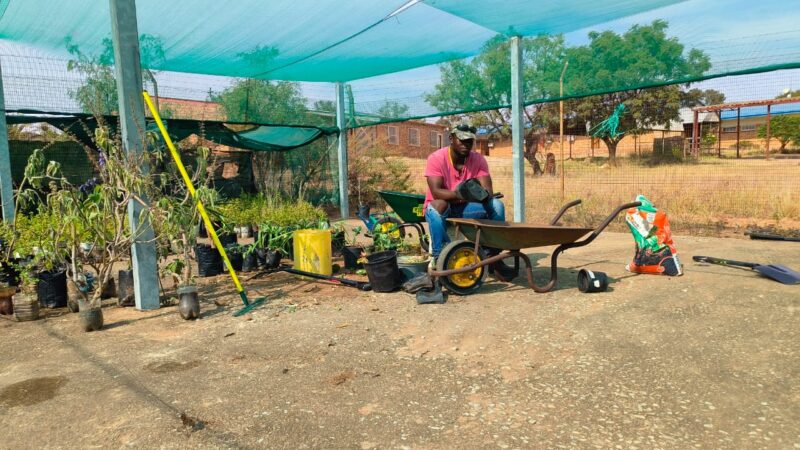
He adjusts his crops based on their performance and client demand.
Madonsela says his BTech gave him insight into plant behaviour and how to farm profitably, while also teaching him to consider the broader farm and environmental context. However, he adds that limited land access, transport, and staffing remain major challenges.
“The business is at a point where, to make proper profit, I need more freedom to move and enough hands to meet the demand,” he says.
Related stories
- Termites to tomatoes: Boima’s bold innovations take off
- Former Soweto DJ finds rhythm in sustainable farming
Madonsela admits that there are days when quitting crosses his mind, particularly when essential business elements are missing. “That’s the stage I’m in right now.” He also finds it discouraging when funding applications go unanswered.
“Sometimes it really feels like the lack of support for agriculture is loud.”
Despite the challenges, he remains hopeful.
“If things go well this year – with the job and some of the funding I’ve applied for – the next five years could bring permanent staff, proper infrastructure, strong brand awareness, and high-quality produce.” But if not? “I might have to leave the business,” he says.
Most of his clients are homeowners in Kwamhlanga and nearby areas, as well as fellow farmers buying seedlings. “I’ve moved around a lot when it comes to land. I still don’t have anything I can call my own.”
Despite the challenges, he finds social media and word of mouth to be effective marketing tools.
When one hectare isn’t enough
Madonsela feels that the agricultural department does not truly recognise small-scale farmers as businesses unless they farm on more than a hectare. While he is still learning, he questions how farmers like him are expected to grow if their current production is not taken seriously.
“We still have a long way to go in South Africa when it comes to supporting small-scale farmers,” he says. “Even the goalposts keep shifting.”
With all the challenges in farming, climate change feels like another pandemic he can’t escape. “The heat is extreme, the humidity unpredictable, and even the rain seems less clean. It rains more than last year, but our plants are still struggling to grow,” Madonsela explains. Chicken manure works well for them, but unpredictable weather often washes it away during heavy rains.
“Even though our land hasn’t been tested for production, we’re doing okay with natural fertilisers,” he adds.
Madonsela knows the road ahead won’t be easy, but he’s not one to back down from a challenge. He dreams of moving beyond the limitations and envisions a future where his business not only feeds his community but also creates opportunities within it.
“I’m not just here to chill,” Madonsela says. “I want to grow and add livestock and agro-processing to my business.”
READ NEXT: A beginner’s guide to pecan farming
Sign up for Mzansi Today: Your daily take on the news and happenings from the agriculture value chain.